
© 2026 Endless Holdings Limited® · Licensed Secondhand Dealer · Web Development by Graphic Detail NZ Ltd.
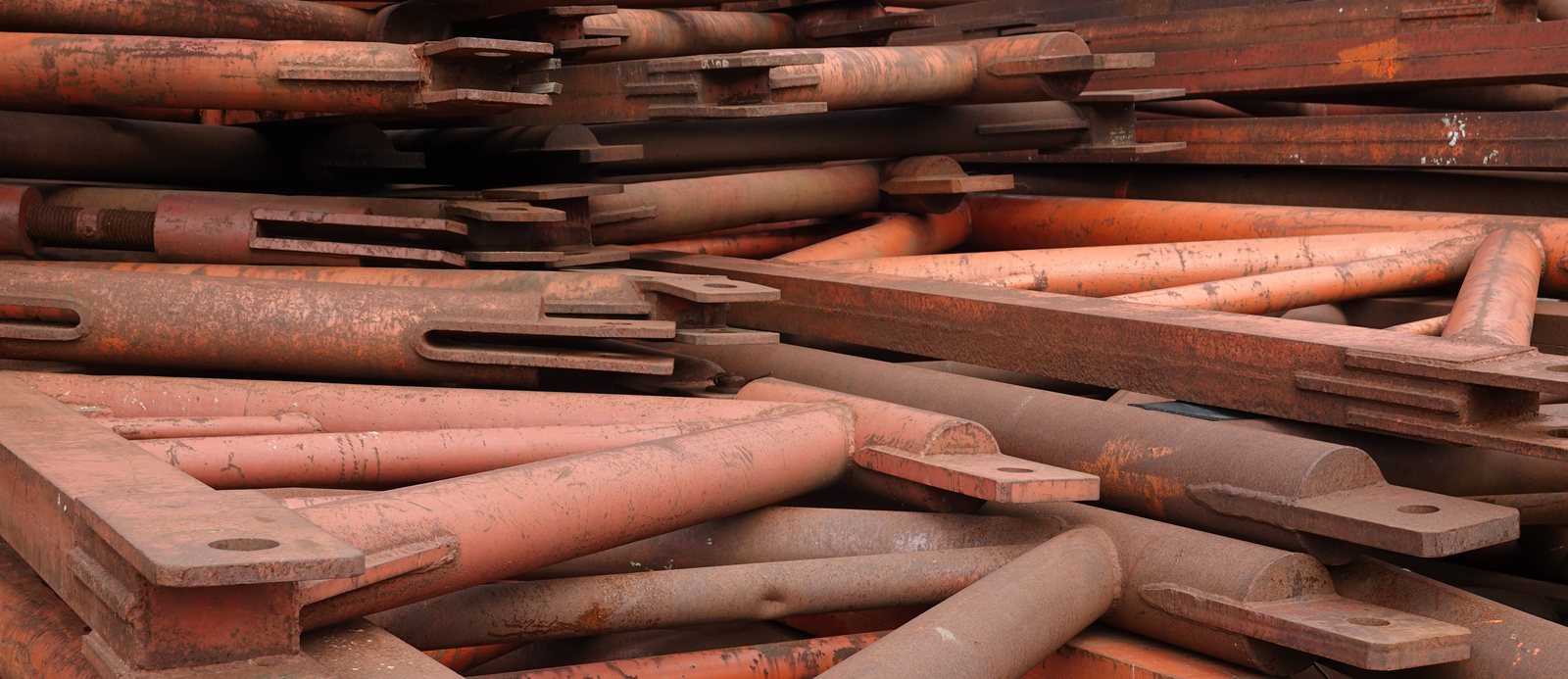
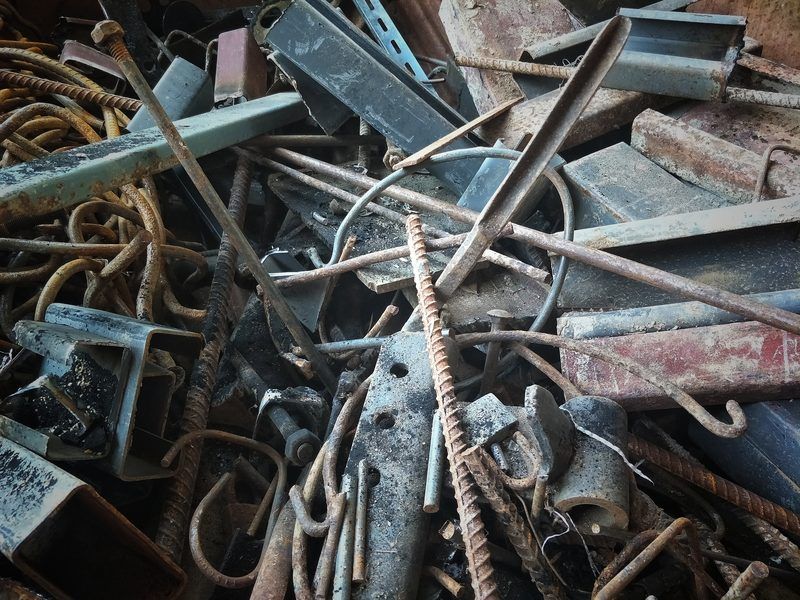
Endless buys all ferrous grades at both Auckland yards, from heavy melting steel through to cast iron, reinforcing, turnings, and irony loads. Most of that material is mild steel (the everyday magnetic carbon steel found in beams, sheet, framing, and rebar), which covers our HMS, light gauge, and rebar grades. Cast iron sits in a separate ferrous family and is priced on its own.
Whether you are a builder with structural offcuts, a demolition crew with mixed steel, or an engineer with a bin of turnings, we grade your material on the spot. If you have stainless steel, that is a higher-value alloy family priced separately, so check our dedicated stainless steel page.
Visit either our Onehunga yard or our Wairau Valley branch on the North Shore, and our team will take you through how your steel scrap price payouts are calculated.
Priced on grade & ferrous demand. Graded on the spot. Weighed honestly. Paid same day.
Steel Scrap Grades: What We Pay
Steel is the most recycled material on earth and the backbone of New Zealand's scrap stream. Heavy, clean, thick steel pays the most because it melts efficiently with minimal processing. As contamination enters (non-ferrous attachments, concrete, sealed units, or excess oil), the grade drops. Keeping your steel sorted and keeping stainless and non-ferrous metals out of it is the difference between top galvanised steel scrap price payouts and a downgrade at the scales.
 SiteWise Gold certified
 Toitū carbon reduce certified
 AMR & ReMA member
 Licensed secondhand dealer
Heavy Melting Steel In-Size — Scrap Grade
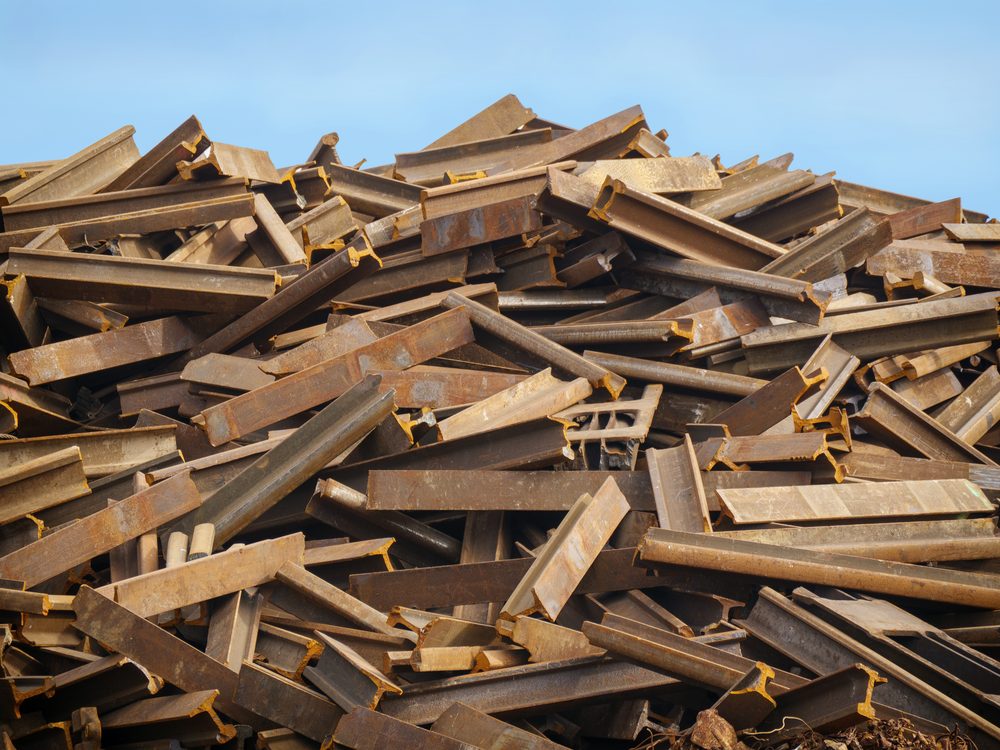
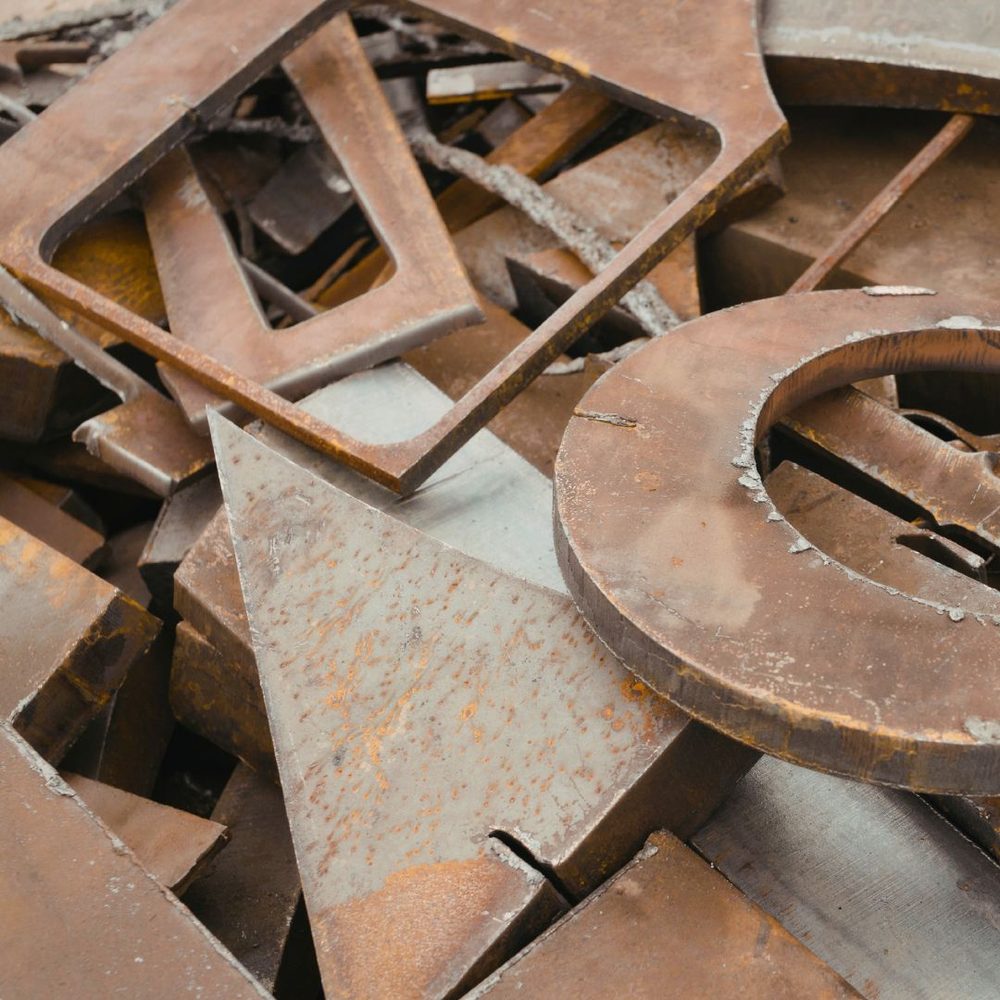
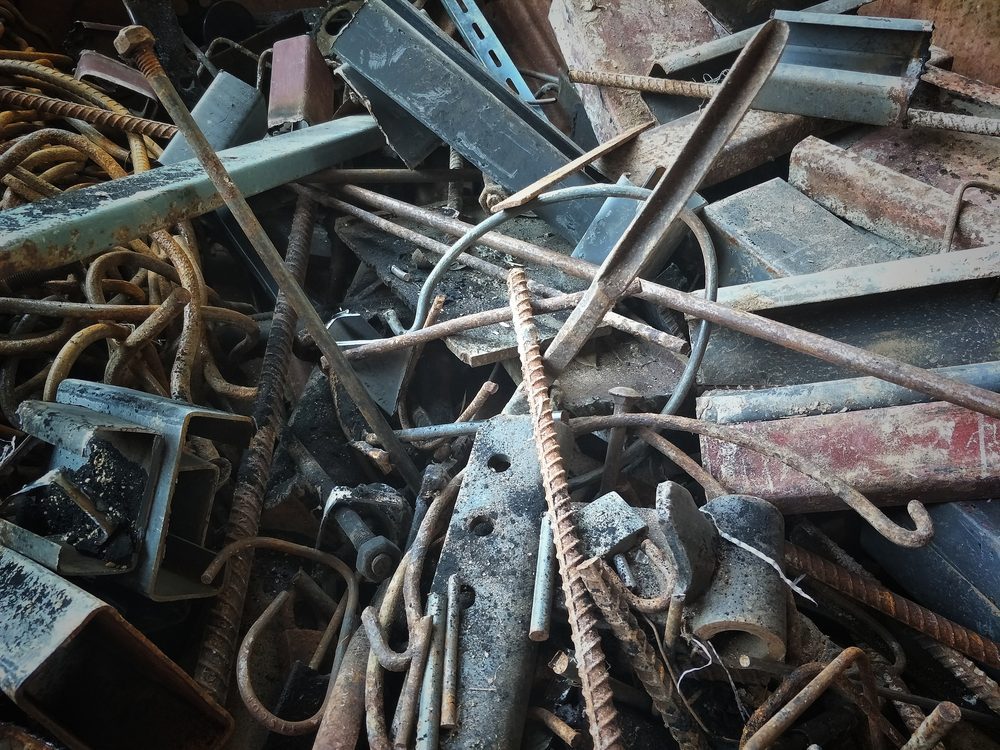
HMS In-Size
conditions
- clean heavy steel
- maximum 1m long
- no contamination:
- concrete
- wood
- plastic
- oil
examples
- cut structural beams
- thick plate offcuts
- heavy machinery steel
- RSJ / channel (in size)
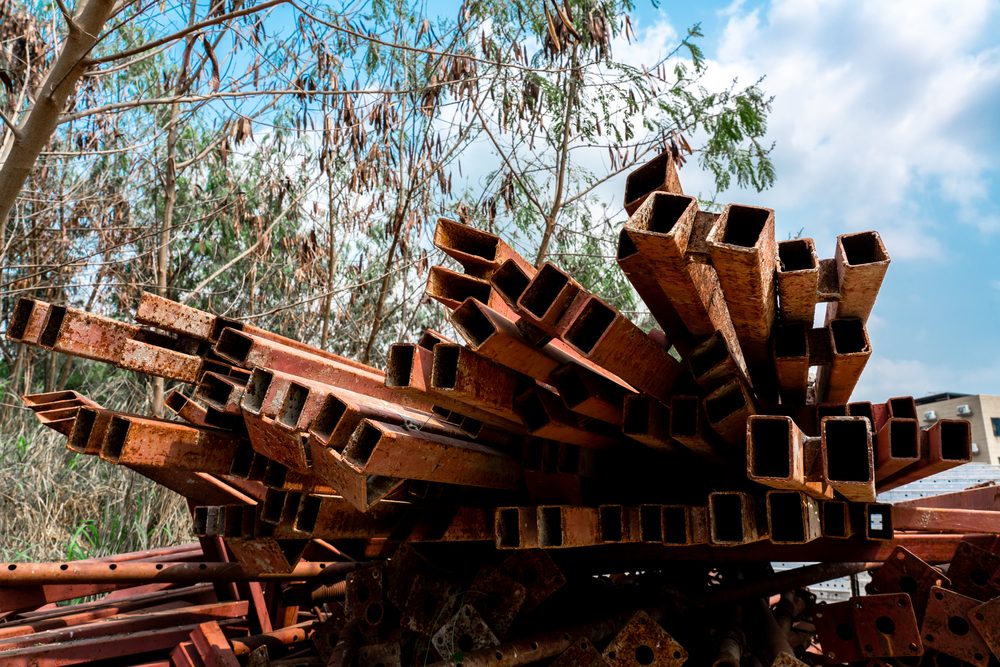
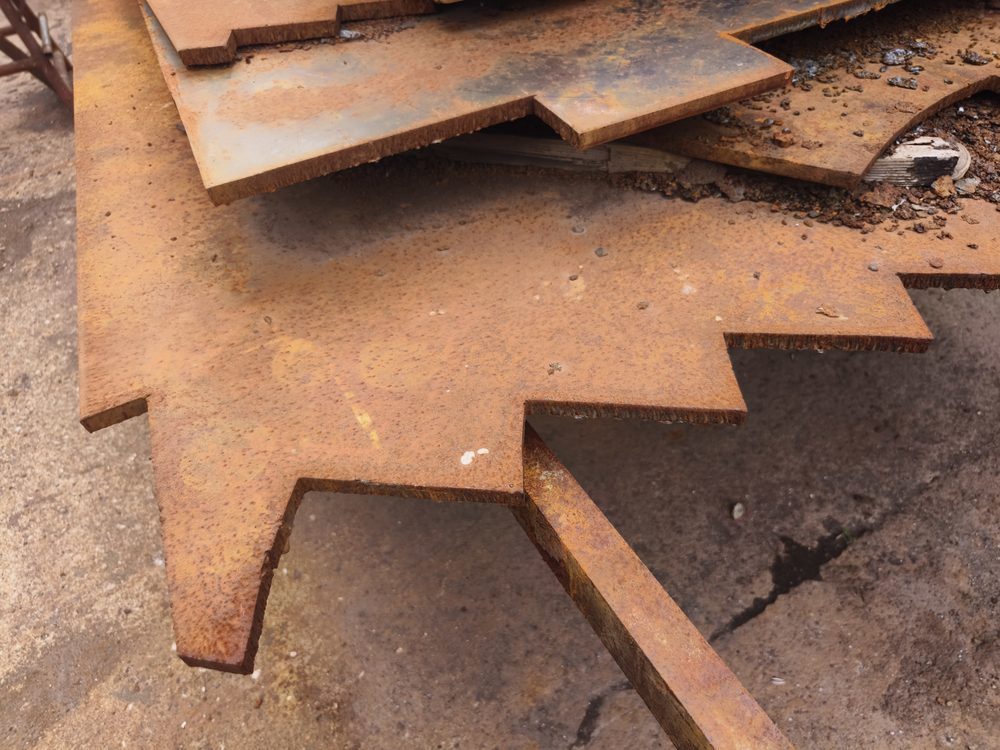
Heavy Melting Steel Oversize — Scrap Grade
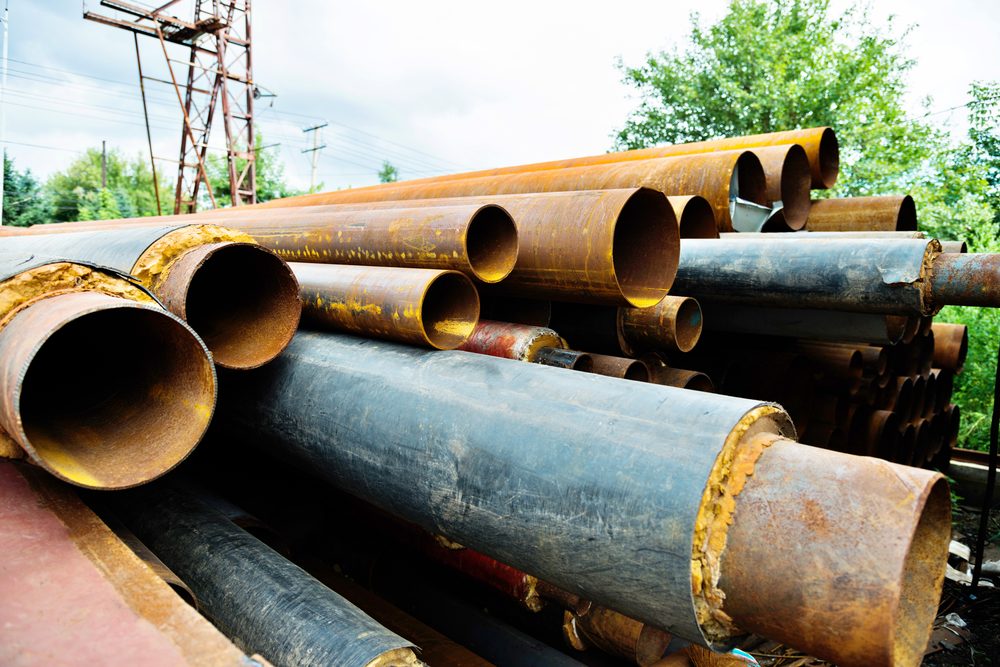
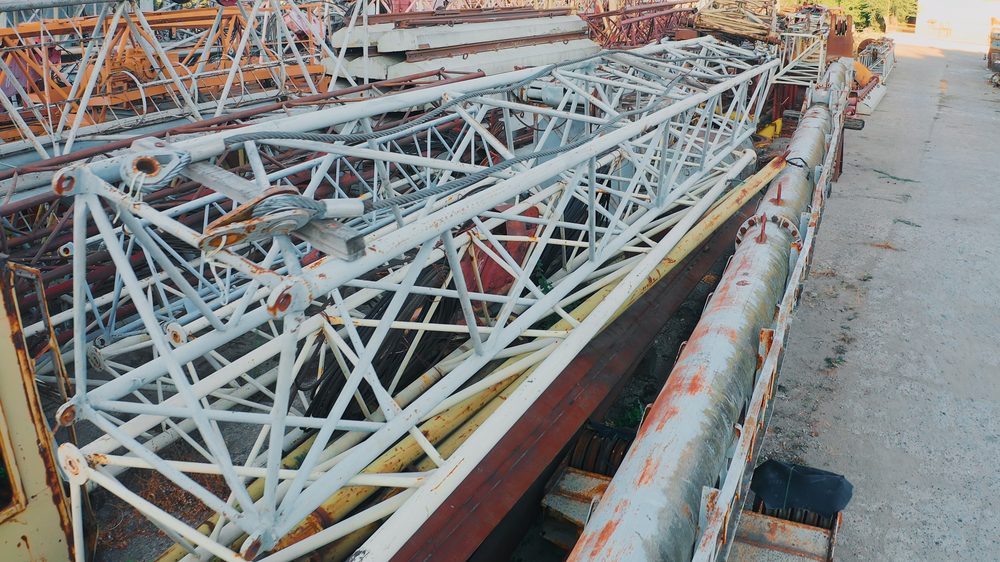
HMS Oversize
conditions
- clean heavy steel
- greater than 1m long
- no contamination:
- concrete
- wood
- plastic
- oil
examples
- long beams & columns
- large plate & sheet piling
- oversize machinery frames
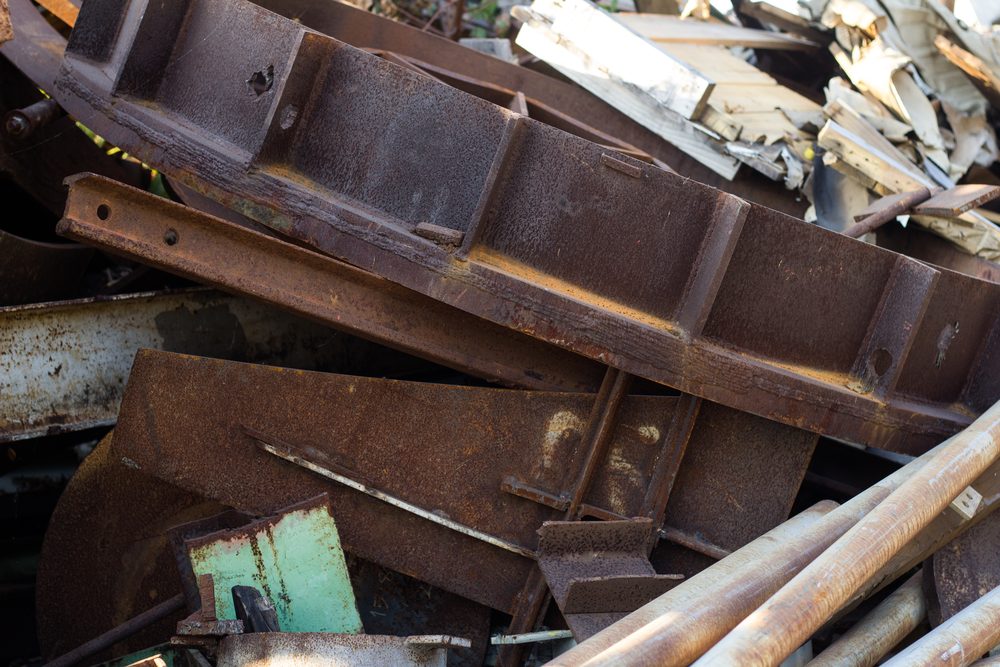
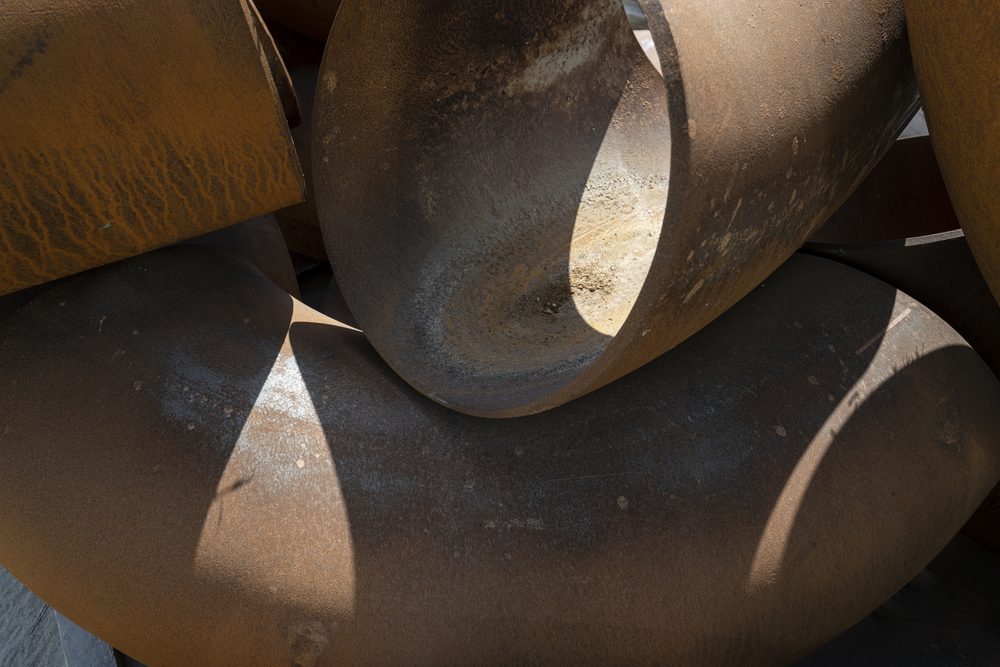
Heavy Melting Steel Oxycut — Scrap Grade
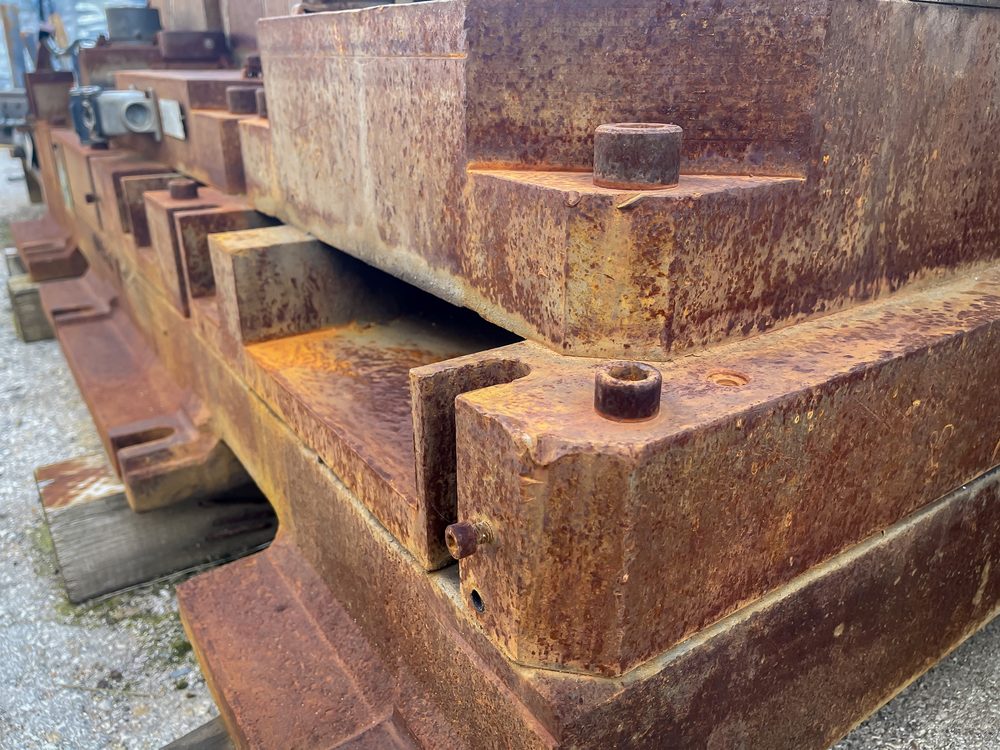
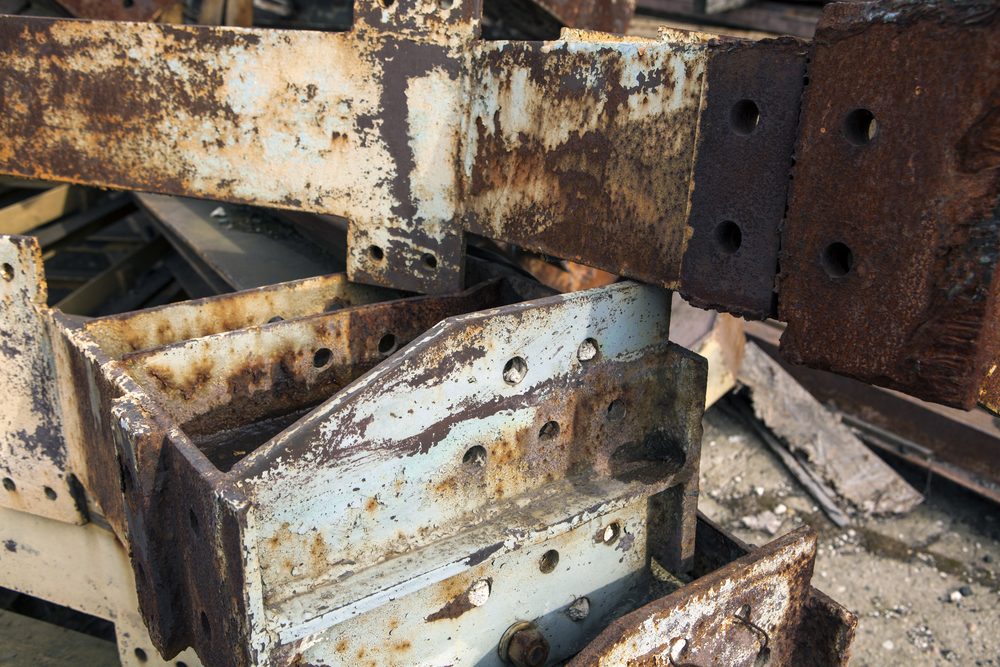
HMS Oxycut
conditions
- heavy steel
- requiring Oxy cutting
- no contamination:
- concrete
- wood
- plastic
- oil
examples
- oxy-cut beams & columns
- torch-cut heavy plate
- sized structural sections
- prepared heavy melting steel
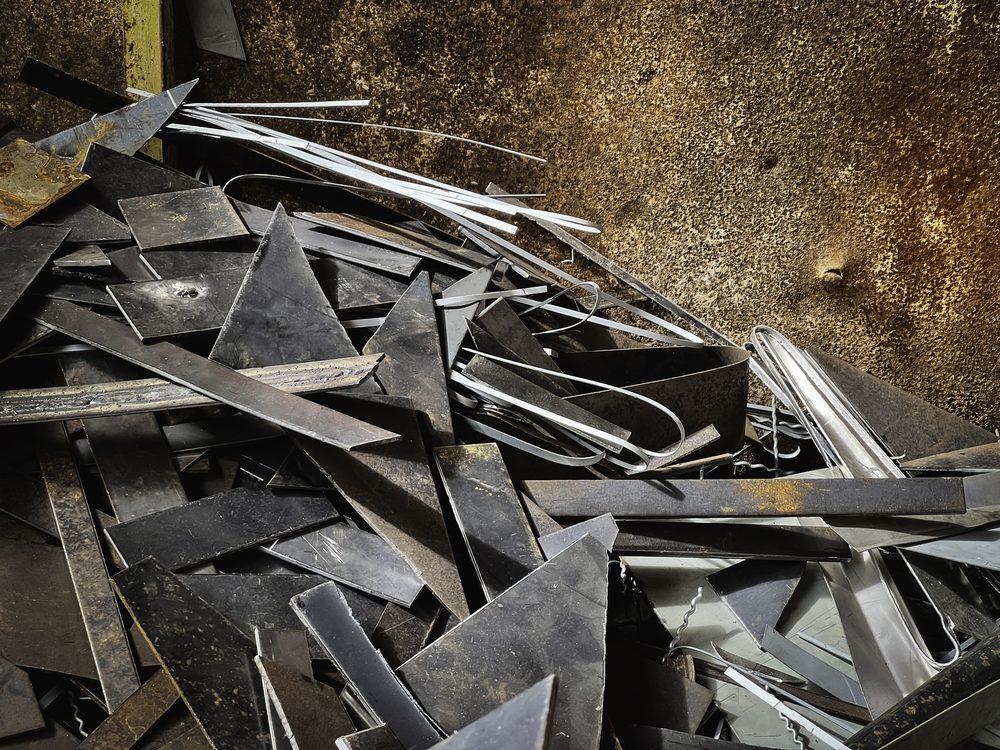
Light Gauge Clean — Scrap Grade
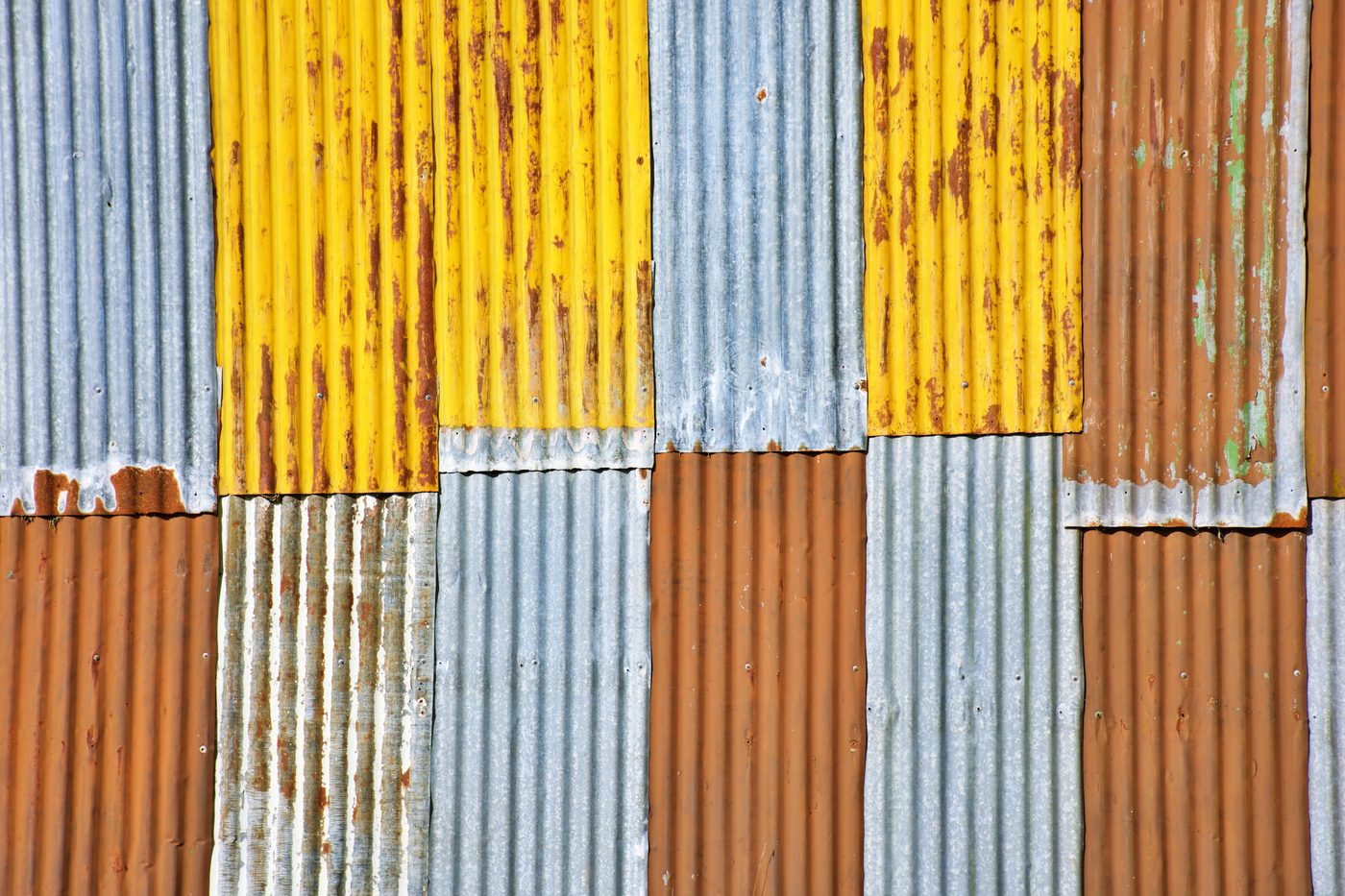
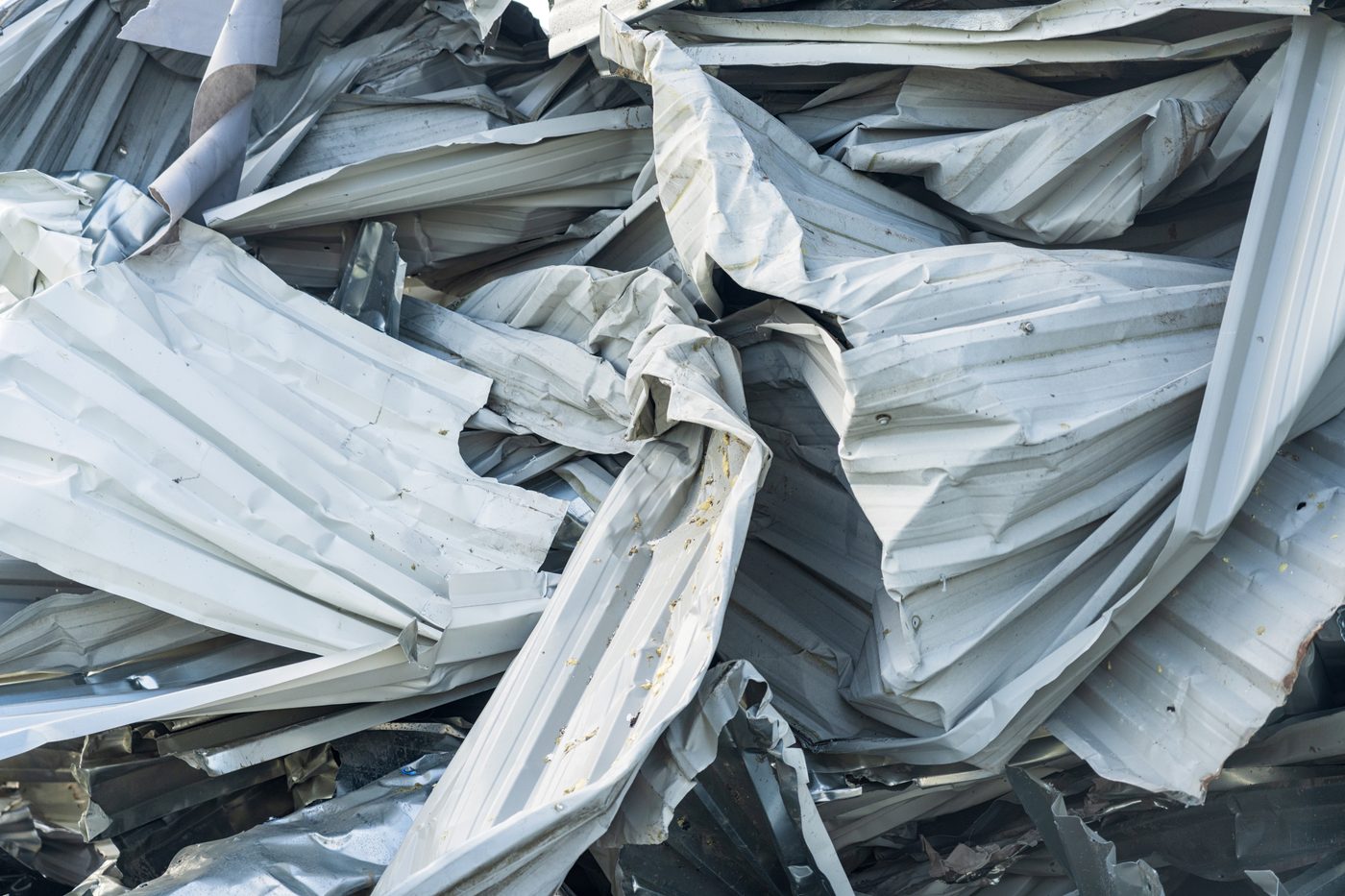
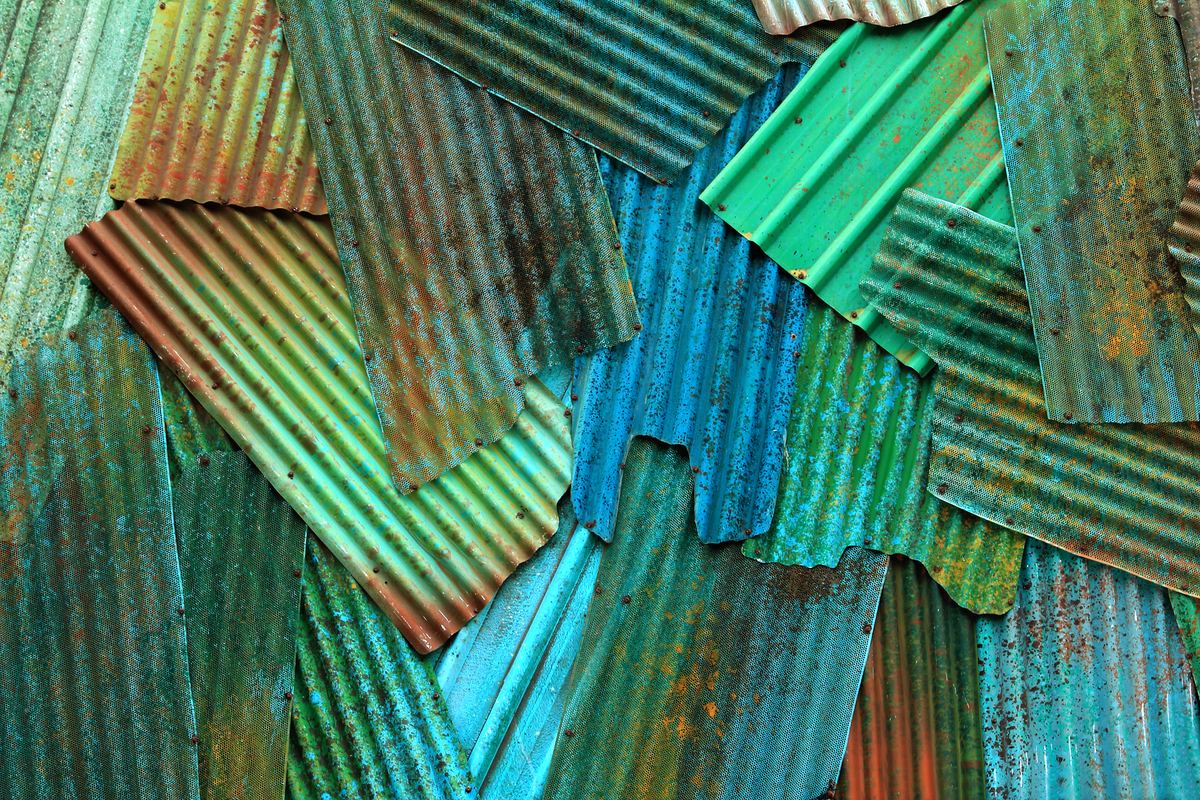
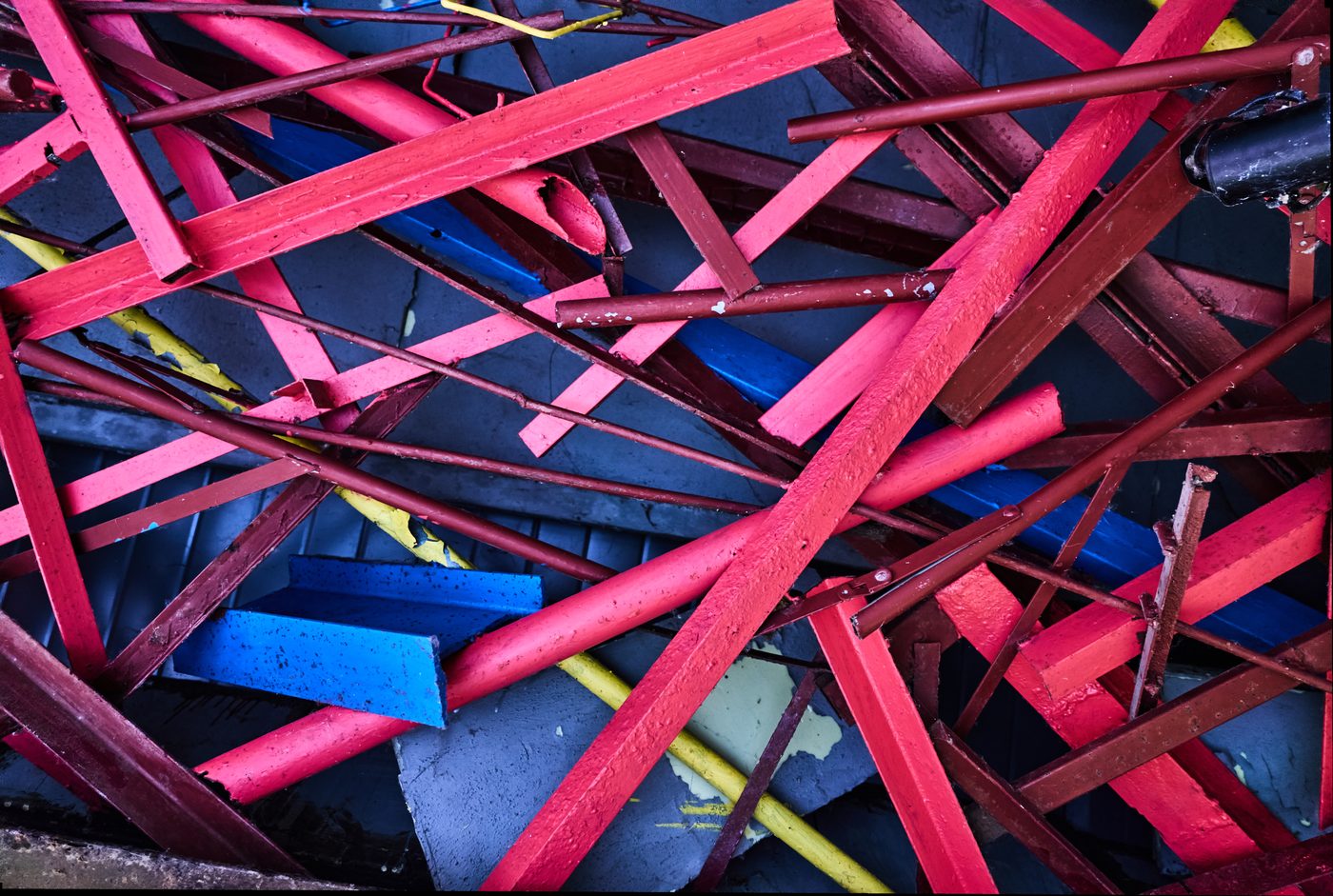
Light Gauge Clean
conditions
- thin steel sheets
- painted or galvanised
- no contamination:
- rubber or plastics
- glass or wood
- whiteware (see whiteware)
- sealed gas bottles
examples
- galvanised roofing iron / colorsteel
- painted sheet & panels
- guttering & flashings
- bare steel sheet
- light framing & purlins
- empty steel drums
Light Gauge Dirty — Scrap Grade
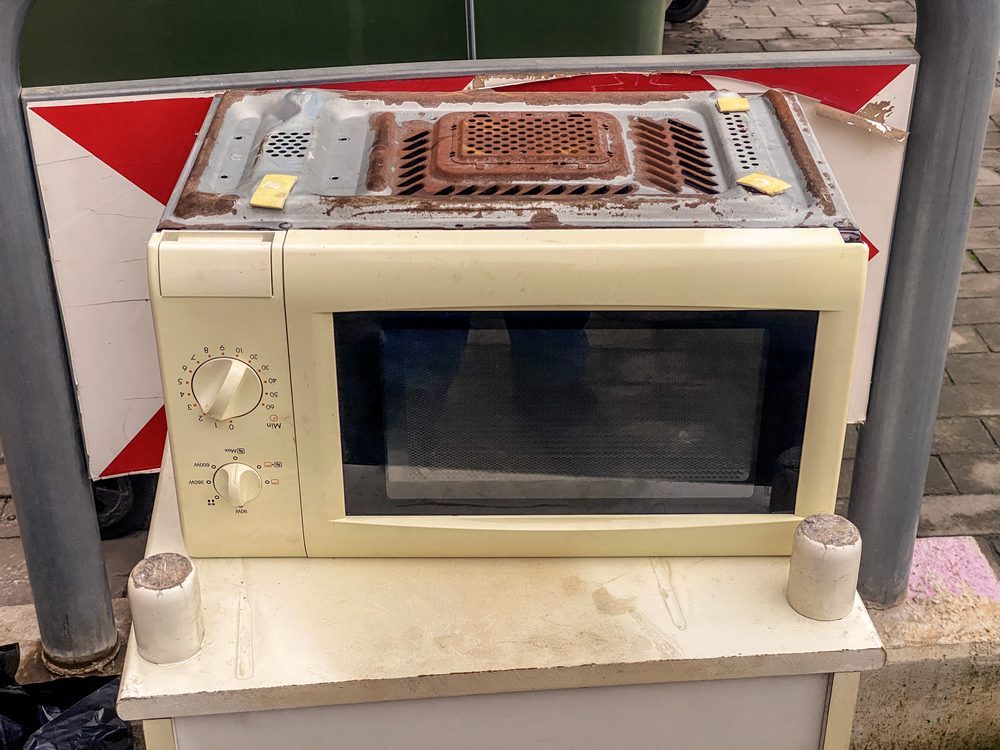
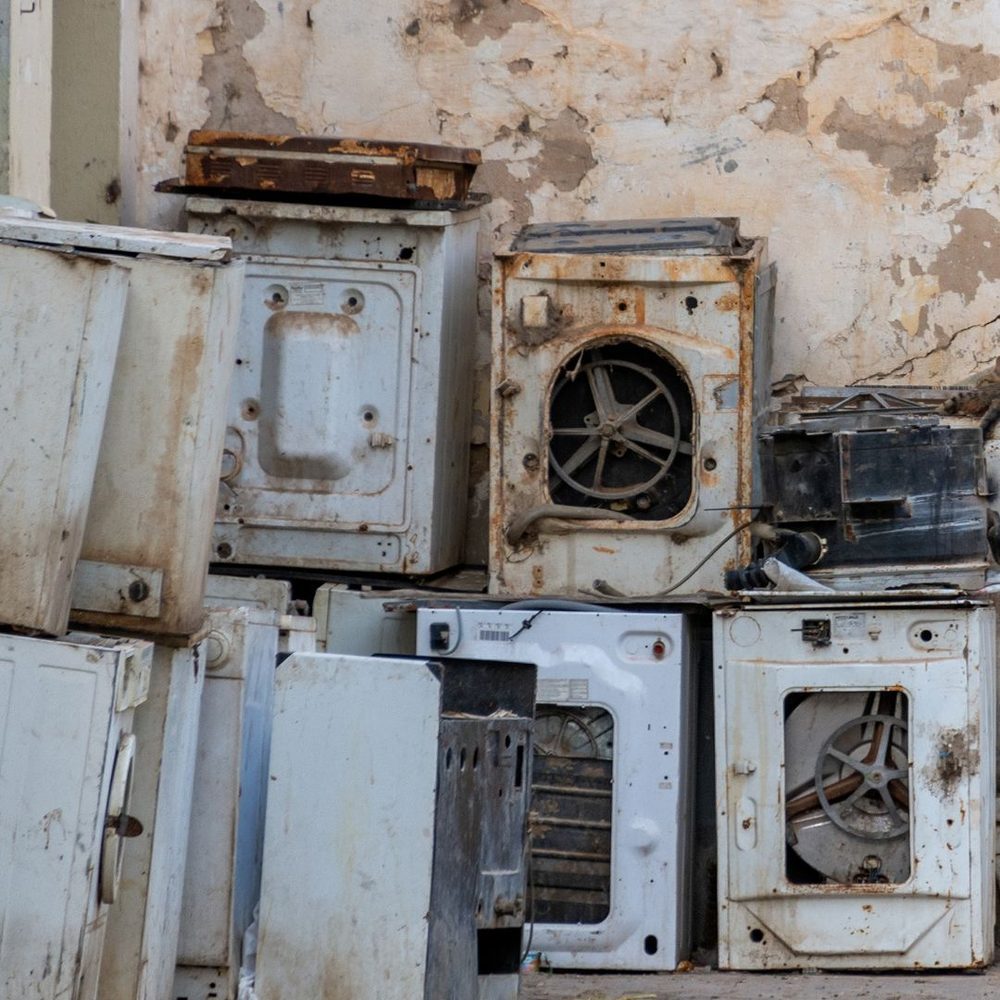
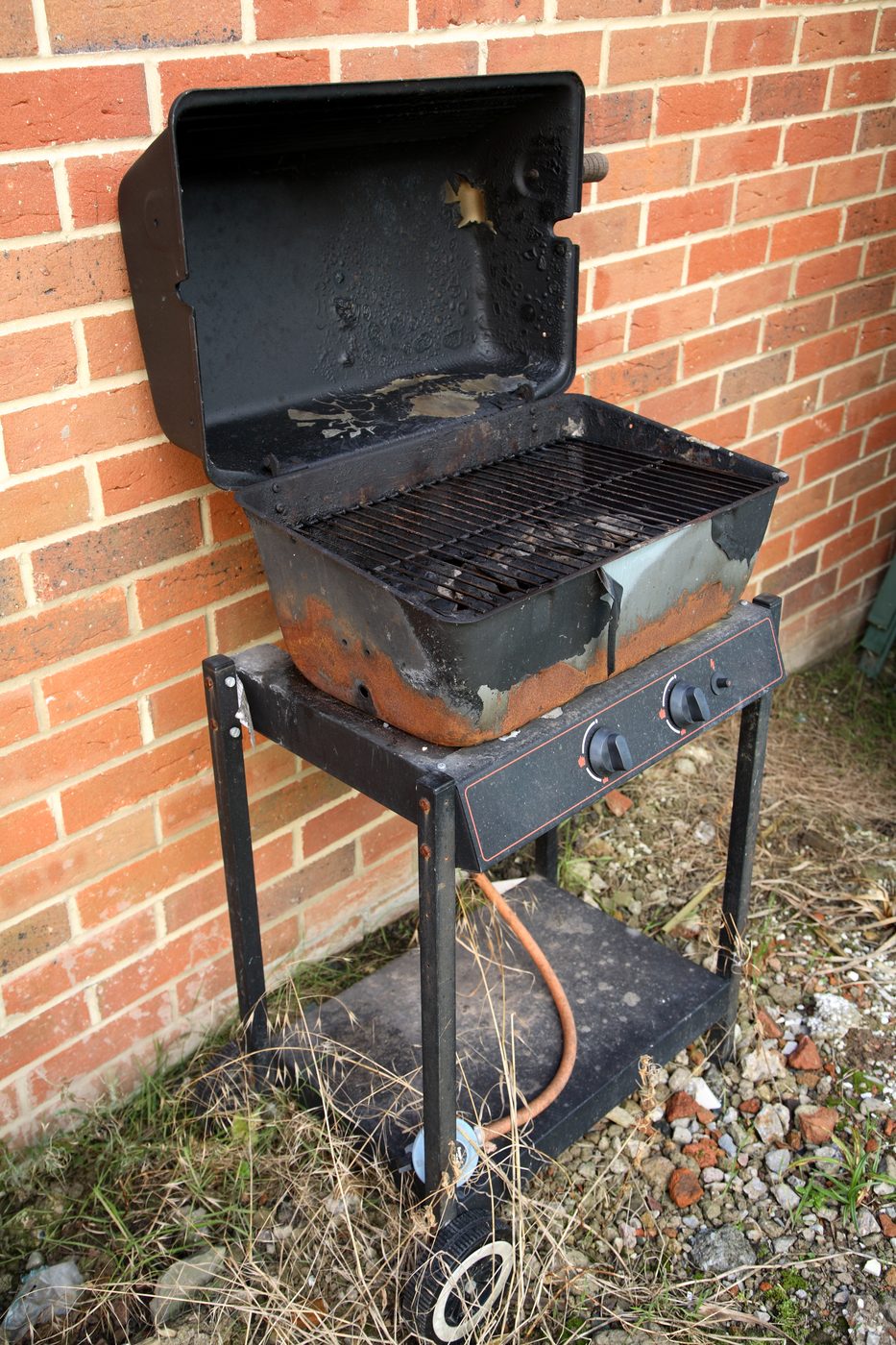
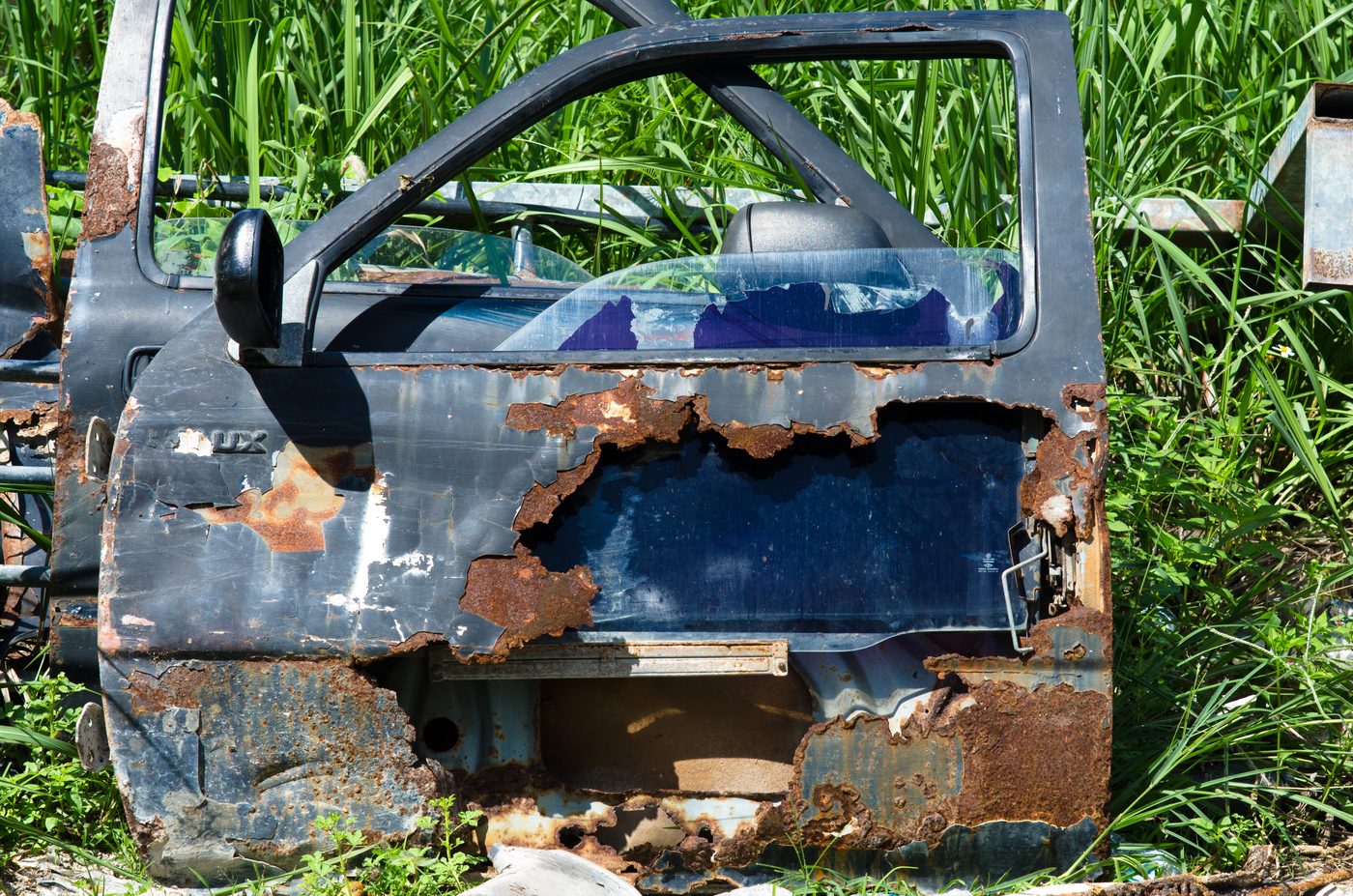
Light Gauge Dirty
conditions
- thin steel with attachments
- may contain:
- paint
- plastic
- ferrous attachments
- rubber
examples
- car panels
- doors
- boot lid
- roof panels
- barbeques
- dirty light framing
- microwaves & small appliances (see whiteware)
We do not accept cars (and other vehicles), whole car bodies or trailers
Reinforcing Bar (Rebar) — Scrap Grade
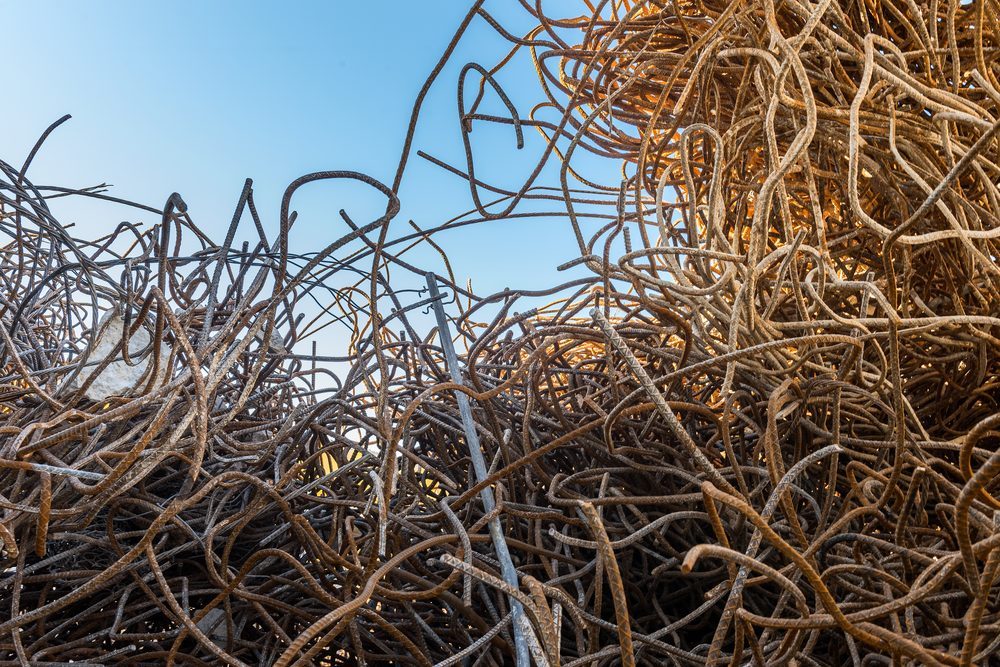
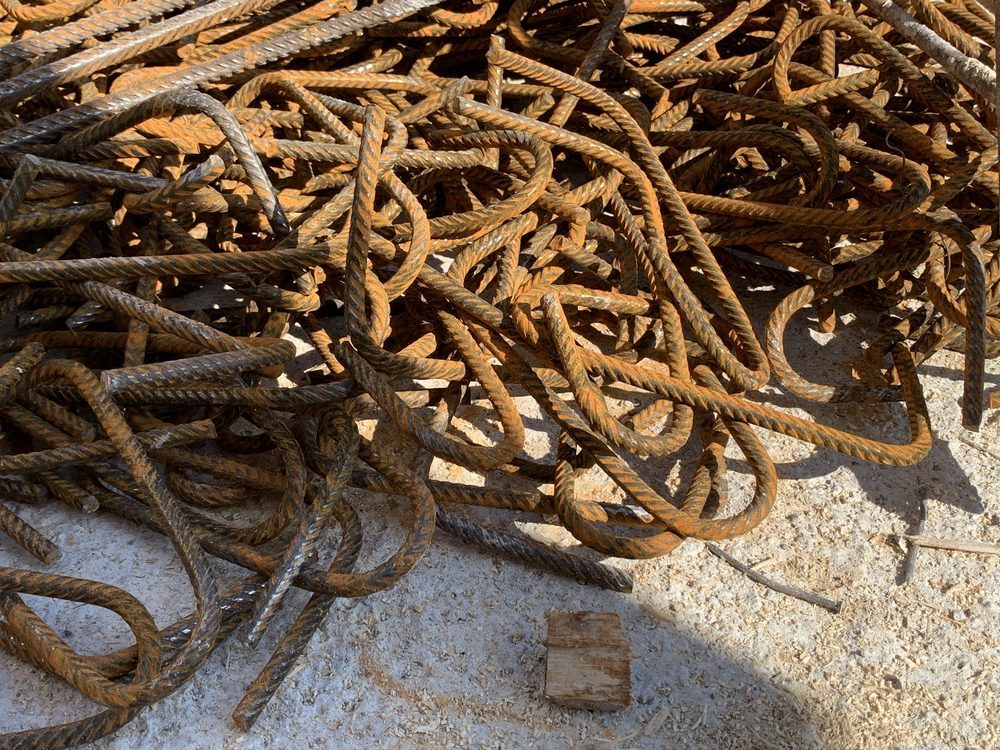
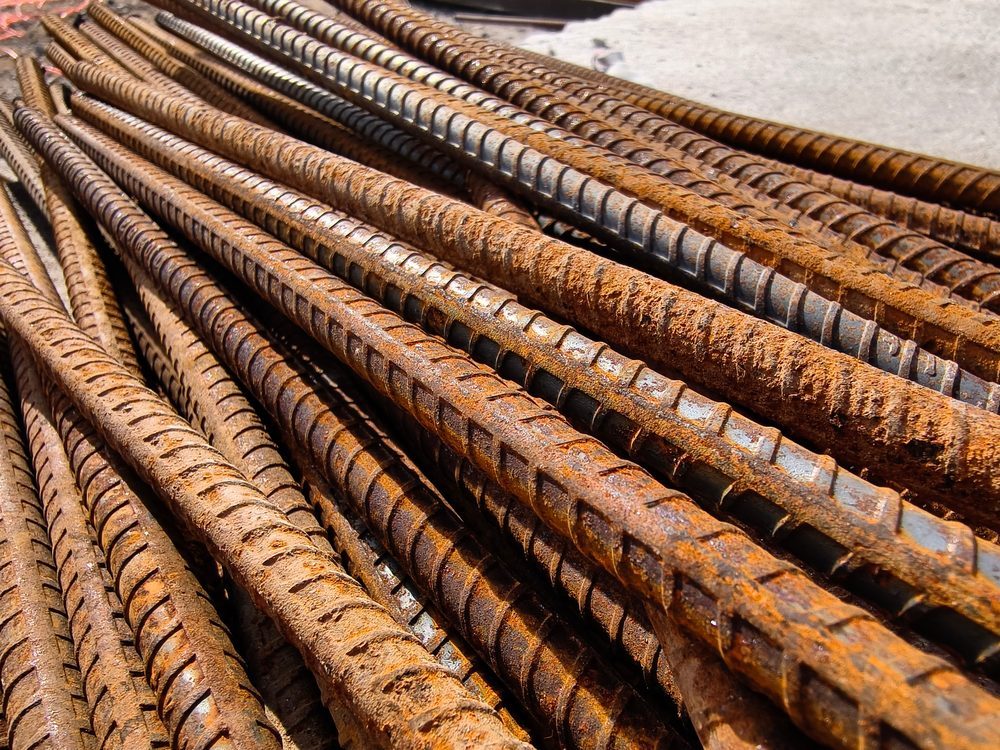
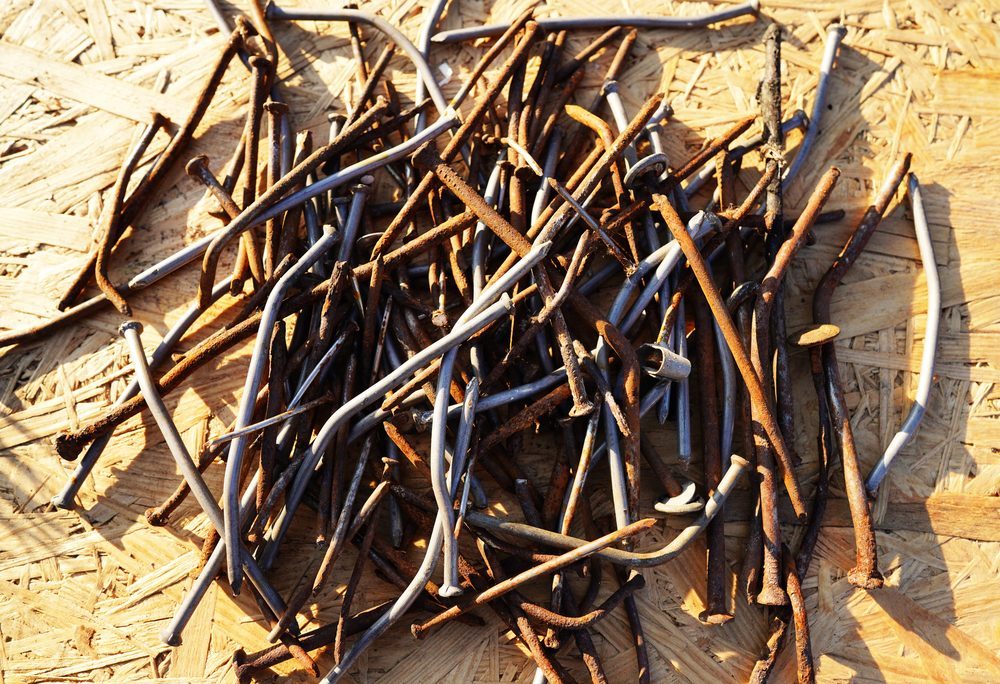
Reinforcing Bar (Rebar)
conditions
- clean structural reinforcing bar
- no contamination:
- concrete
- wood
- dirt
examples
- rebar / starter bars
- reinforcing mesh
ready to sell your steel?
find your nearest yardCast Iron — Scrap Grade
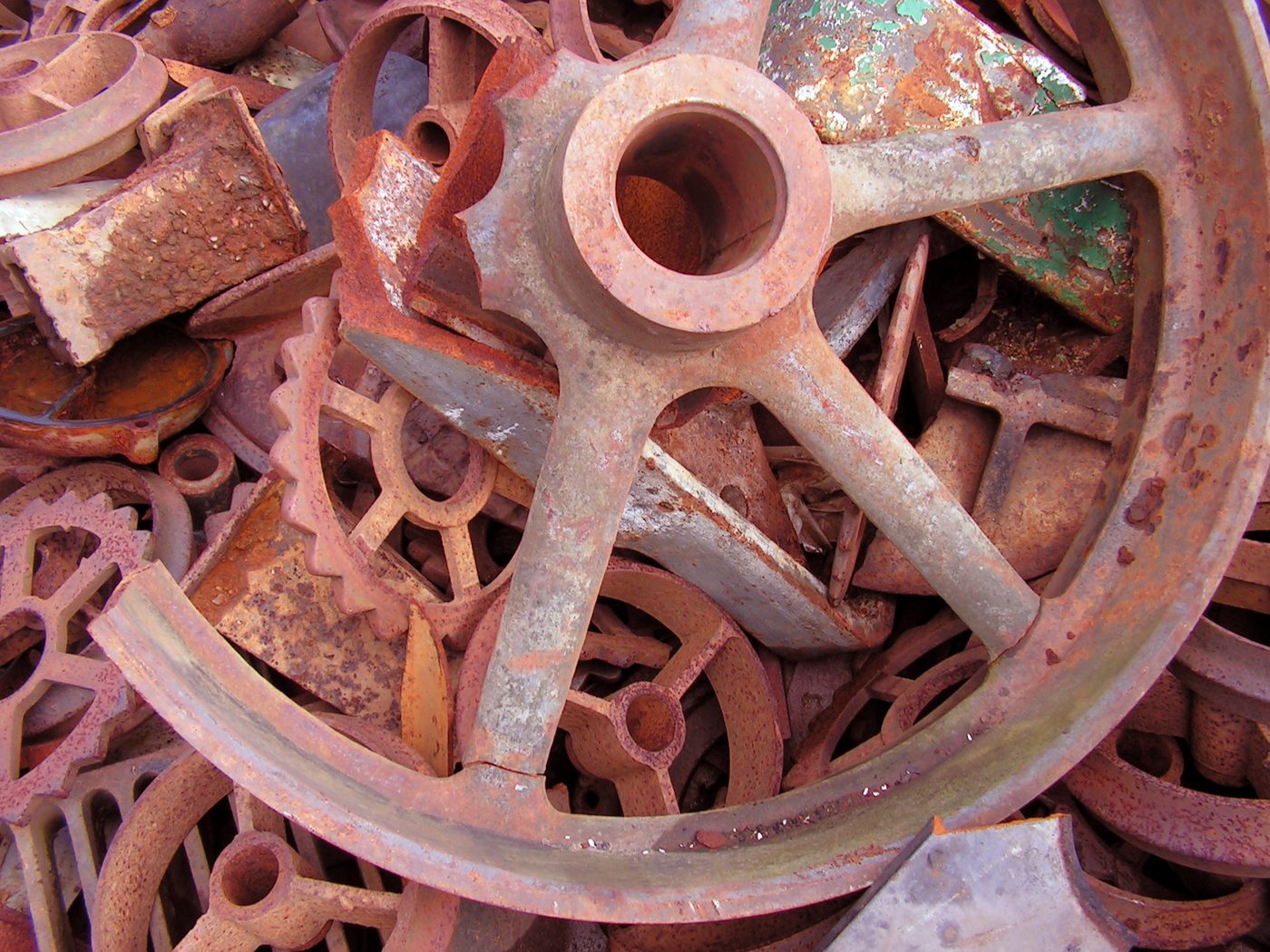
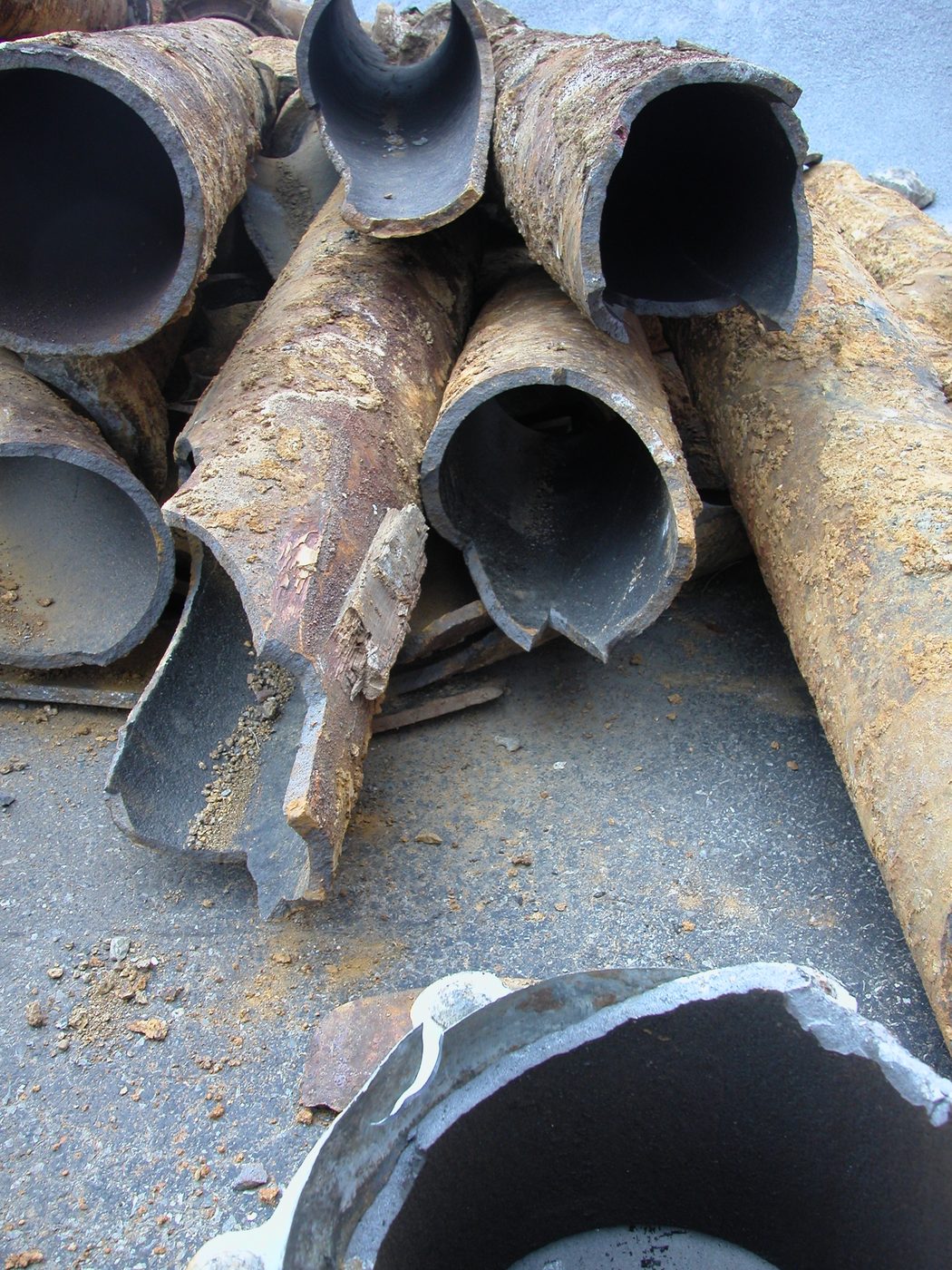
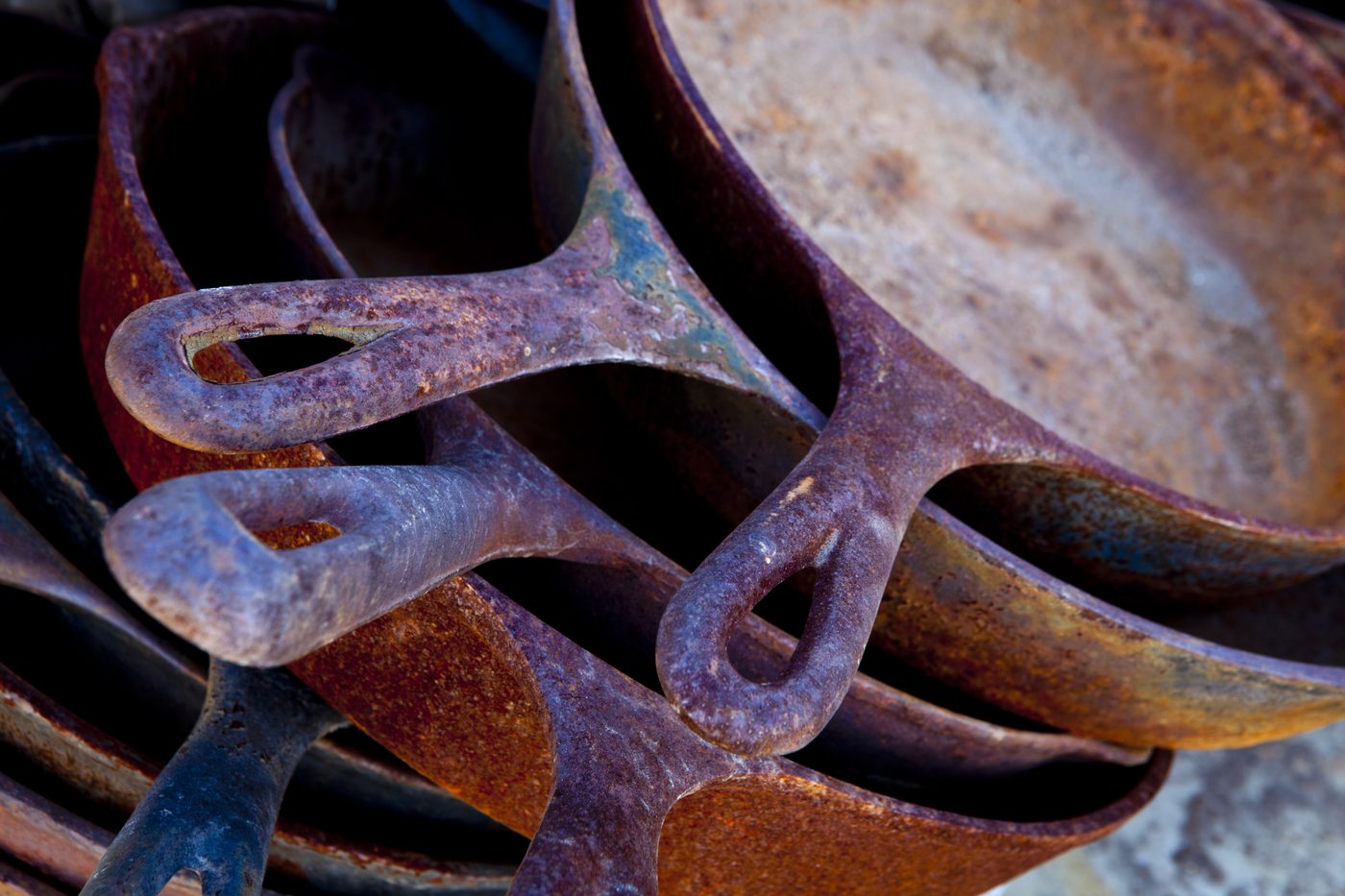
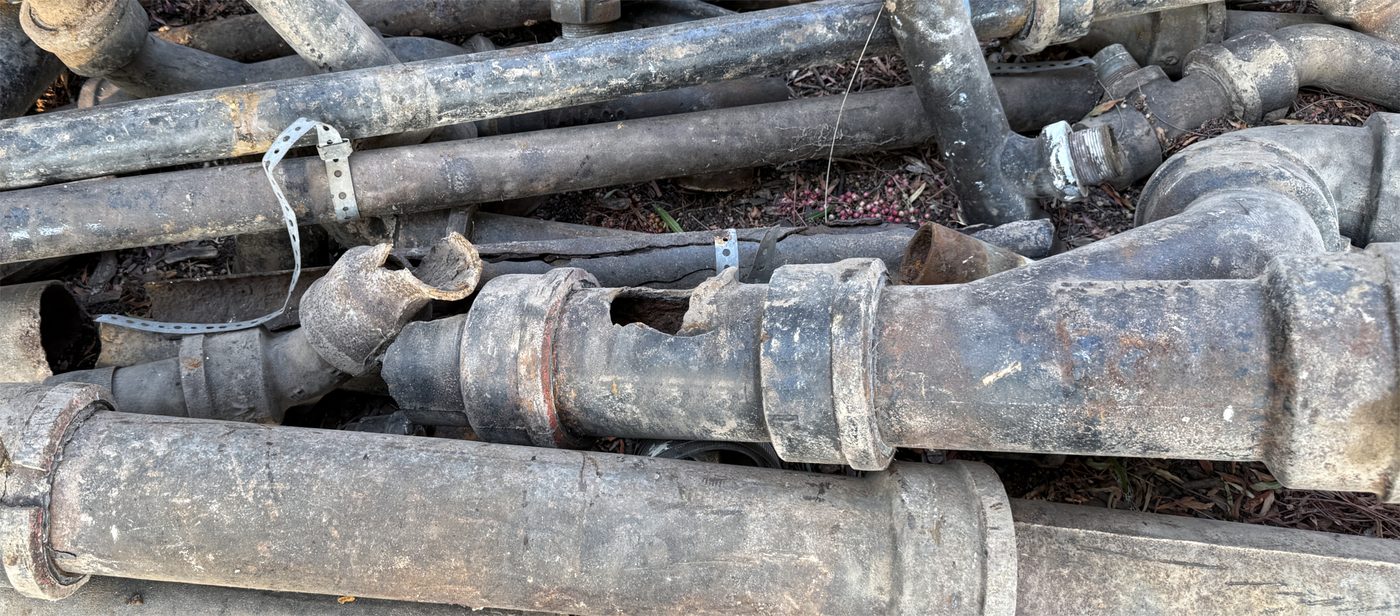
Cast Iron
conditions
- clean cast iron
- no contamination:
- concrete
- wood
- dirt
examples
- engine blocks (drained)
- brake rotors / drums
- bathtubs (cast)
- machinery castings
still not sure what you've got?
Not sure whether it's mild steel, cast iron, or stainless? Bring it in or send a photo — we test and grade on the spot. No obligation.
the recycling process
how steel is recycled
Steel is endlessly recyclable and forms the core of New Zealand's circular metal economy. Here's what happens to your steel once it arrives at our yard.
1
collection & sorting
Your steel arrives and our team sorts ferrous from non-ferrous, heavy from light, and pulls out any stainless or contamination to meet mill and export specifications.
2
grading & inspection
Each load is checked for non-ferrous attachments, sealed units, and contamination so you're paid for the correct ferrous grade.
3
shearing & processing
Heavy steel is sheared and sized, light steel is baled, and turnings are consolidated — all prepared to furnace-ready spec.
4
export & melting
Steel is shipped to mills and melted in electric-arc furnaces, then recast into new beam, plate, rod, and reinforcing.
maximise your return
How to Prepare Your Steel
A little preparation goes a long way. Presenting clean, sorted steel means better grades, faster processing, and higher payouts.
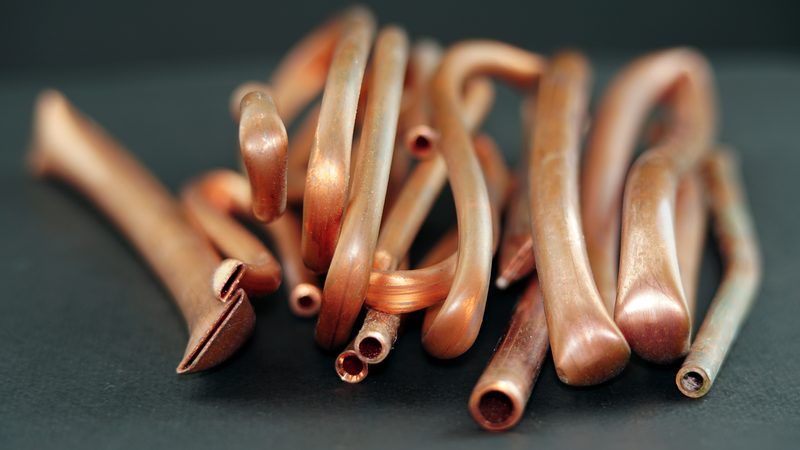
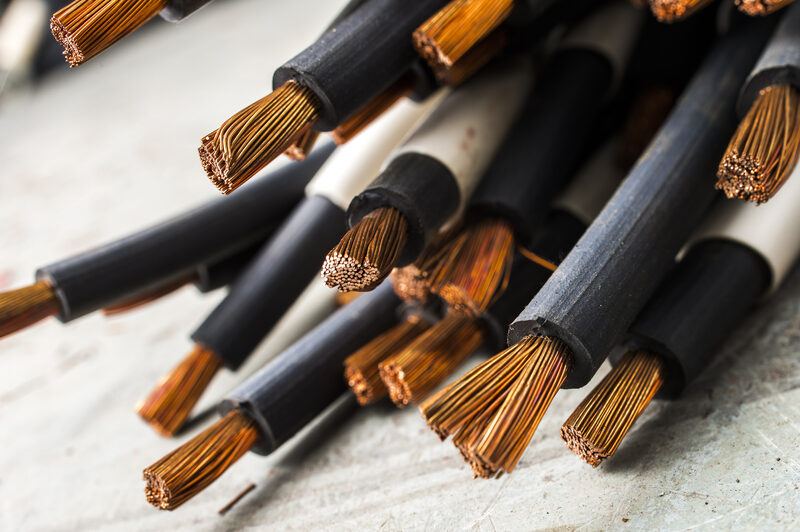
- Separate non-ferrous: Pull copper, brass, and aluminium out of steel assemblies, as they pay far more on their own.
- Keep stainless out: Stainless steel is worth much more than mild steel and is priced separately. Sort it aside and see our stainless steel page.
- Drain cast iron and turnings: Oil, coolant, and liquid contamination downgrade the load.
- De-gas sealed units: Gas bottles, struts, and pressurised cylinders must be depressurised or declared for safety. Ask our team first.
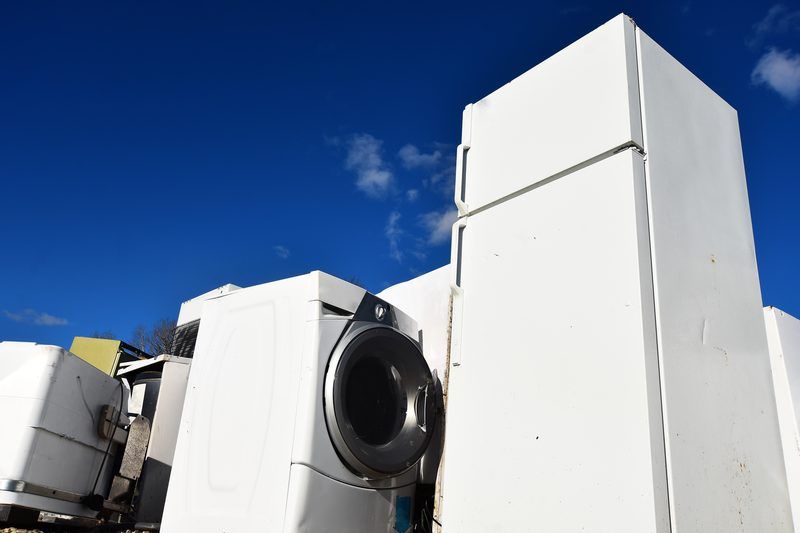
- Whiteware is separate: Fridges, washers, and ovens go through our whiteware stream, not in with your steel.
Pro tip: If you are a builder, fabricator, or demolition contractor handling regular volume, ask our team about scrap metal bin hire, site collection, and contract rates to get the best cost of scrap steel returns.
not sure how to sort your load?
email us a photo
sustainability
Why Recycle Steel?
Every tonne of steel recycled is a tonne that doesn't need to be made from virgin iron ore. Steel is the most recycled material in the world, and recycled steel cuts the energy, mining, and emissions of primary production.
~70%
less energy
Recycling steel into new steel uses far less energy than making it from raw iron ore, and avoids the mining and coking that virgin production demands.
∞
endlessly recyclable
Steel can be melted and recast infinitely without losing its structural quality.
#1
most recycled material
Steel is the most recycled material on earth — more of it is recycled every year than all other materials combined.
When you recycle steel with Endless, your scrap becomes a new beam, plate or reinforcing bar, directly keeping materials moving in a circular economy.
what we pay
Pricing: What We Pay
Steel pricing moves with mill demand, export markets, and the NZD/USD exchange rate. Our pricing is updated weekly and published per yard, so you can check current scrap steel prices before you drive in.
grade & sorting
Heavy, clean, well-sorted steel pays best. Light, mixed, or contaminated loads are priced below that to cover processing.
ferrous market demand
Mild steel tracks export and domestic mill demand, which moves with global construction and manufacturing activity.
NZD/USD exchange rate
Scrap steel is traded internationally in USD, so a weaker New Zealand dollar lifts local prices.
volume & consistency
Larger, well-sorted, regular loads attract premium pricing. Ask about contract rates for trade, fabrication, and demolition supply.
For today's steel prices at your nearest yard, visit our pricing page or call our team directly. Instant quotes on the phone or on the scales — no obligation.
want a price before you come in?
call the team for a quotestill have questions?
Find what you’re looking for in the FAQs below.
Steel moves with mill and export demand and the NZD/USD rate rather than a fixed daily metal price. Heavy, clean, well-sorted steel pays the most; light, mixed or contaminated steel pays less. See the pricing page or call 0800 44 88 99.
HMS is clean, thick ferrous scrap — generally 6mm or heavier — such as structural beams, plate and heavy machinery steel. Because it melts efficiently with little processing, it's the top mild steel grade. Thin sheet and mixed steel grade below it.
Yes. Clean cast iron — drained engine blocks, brake rotors and drums, cast baths and machinery castings — is a graded ferrous line. Drain any oil first.
Yes — we buy car panels, guards, bonnets and cut body steel as light or irony steel, depending on contamination. Strip out any battery, fluids and non-ferrous parts first for the best result and for safety.
No — we don't take vehicles of any kind. That rules out cars, trucks and motorbikes, stripped or unstripped, along with bare car shells and trailers. What we do buy is the panels off them: doors, bonnets, boot lids and roof panels are graded as light gauge dirty.
Yes — demolition scrap makes up a significant share of our monthly volumes. Whether it's cut structural beams, rebar, cast iron or light-gauge steel, we take it all and grade each load on the spot. Larger and ongoing demolition jobs are welcome at both Auckland yards; get in touch and we'll work out the best way to handle your volume.
Mild steel rusts and is strongly magnetic; stainless resists corrosion and is often non-magnetic. Stainless is worth much more and is priced separately on its nickel content — if you think you have it, see our stainless steel page. We test to confirm at the yard.
No. Fridges, washers and ovens — along with small appliances like microwaves and toasters — are collectively called whiteware, and they go through our separate whiteware stream. Because they’re a mix of steel, copper and aluminium wrapped around motors, compressors and (in fridges) refrigerant, they need different handling to steel on its own.
Remove non-metal contamination first — concrete, soil, dirt, plastics and wood are the most common issue; they reduce your payout, and you may be charged for the sorting and disposal of anything that has to be sent to landfill. Where it applies, also pull out any copper, brass and aluminium (they pay far more on their own), keep stainless separate, drain oil from cast iron and turnings, and de-gas or declare any sealed cylinders for safety.
Both yards — Onehunga and Wairau Valley — accept all steel grades. Drive in during business hours; we weigh and grade on the spot.
Yes — steel is the most recycled material on earth and can be remelted endlessly without losing strength. Even at lower per-kg rates than non-ferrous metals, volume adds up, and recycling it avoids the mining and energy of virgin production.
ready to sell your steel?
call us, email us, or drop into either yard. We grade on the spot and pay same day.