
© 2026 Endless Holdings Limited® · Licensed Secondhand Dealer · Web Development by Graphic Detail NZ Ltd.
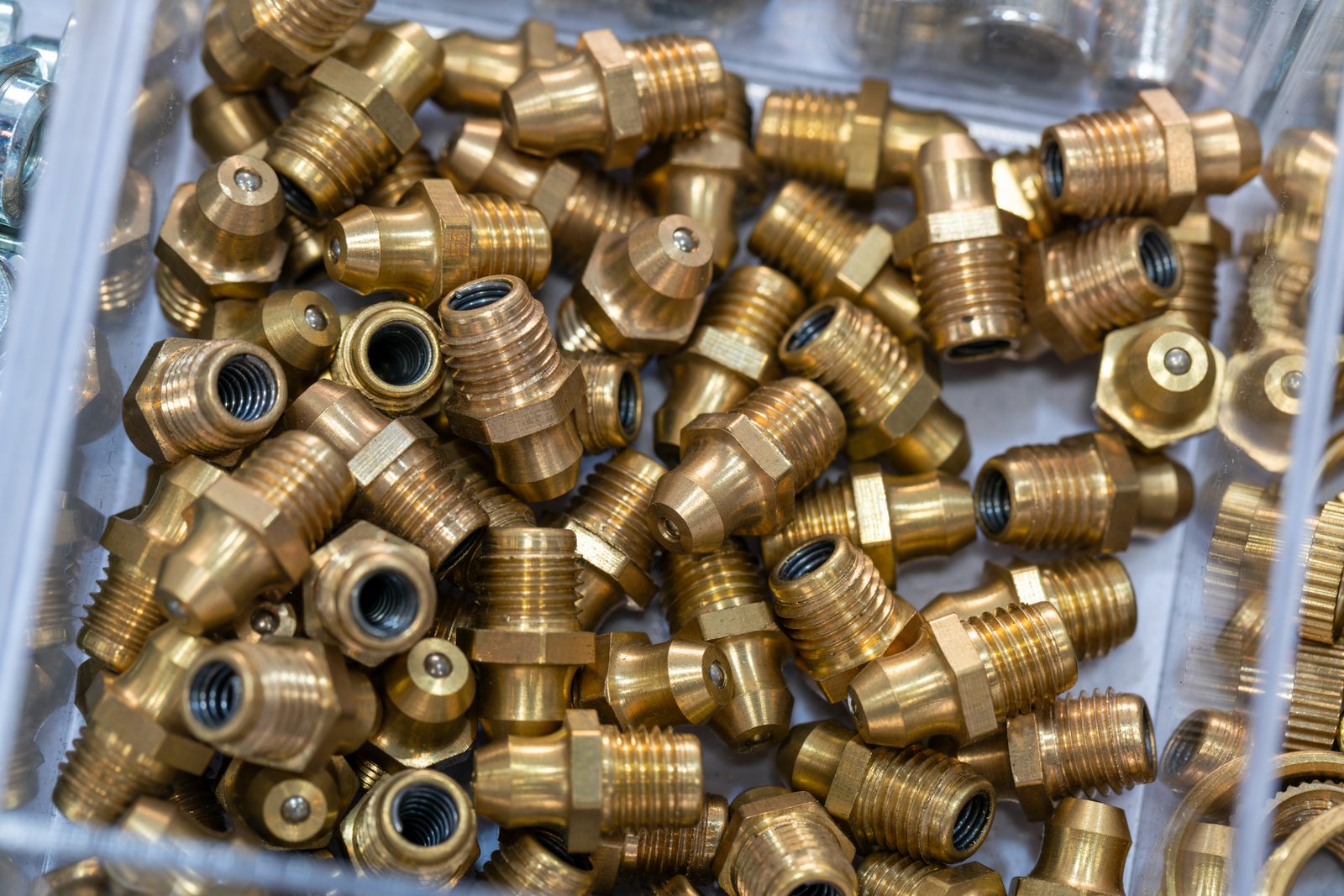
Endless grades brass across eight grades, including clean and irony brass, mixed metal, swarf, cartridges, gunmetal and bronze, so you are paid accurately for exactly what you have. Whether you are a plumber clearing out fittings, a machinist with swarf bins to empty, or a homeowner with a box of old taps, we grade your material on the spot and pay you the same day, with pricing that tracks the international copper market weekly.
Visit either our scrap metal Onehunga yard or our Wairau Valley branch on the North Shore, and our team will take you through exactly how your brass scrap price is calculated.
Priced weekly against London Metal Exchange (LME) copper. Graded on the spot. Paid same day.
what makes scrap brass valuable?
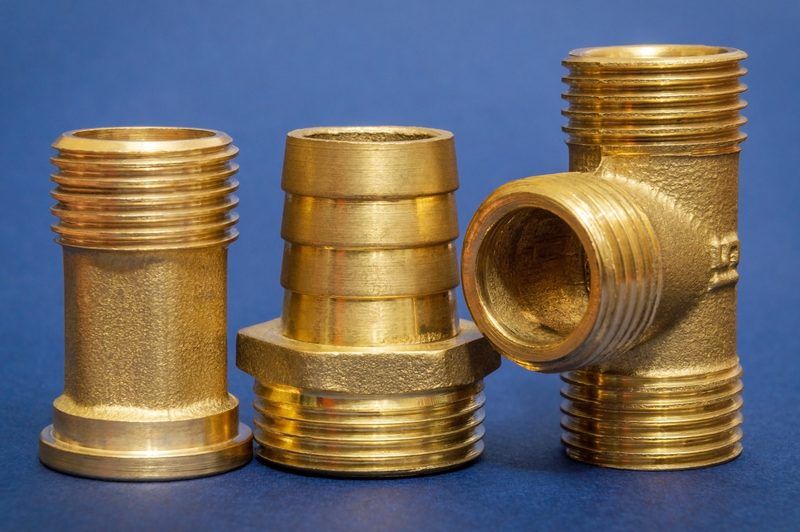
Brass is a copper-zinc alloy, and it is the copper inside that gives it value. Most brass contains 60% to 70% copper, which is why clean brass commands strong scrap brass prices. The more copper, the higher the grade. Contamination like steel screws, plastic fittings, or paint pushes material into lower-paying grades because it costs more to process. Understanding what is in your brass is the difference between top-grade pricing and a downgrade at the scales.
 SiteWise Gold certified
 Toitū carbon reduce certified
 AMR & ReMA member
 Licensed secondhand dealer
know your red metals
Clean Brass — Scrap Grade
clean brass
conditions
- non-magnetic
- no contamination:
- plastics
- rubber
- ferrous attachments
- paint / plating
examples
- brass taps
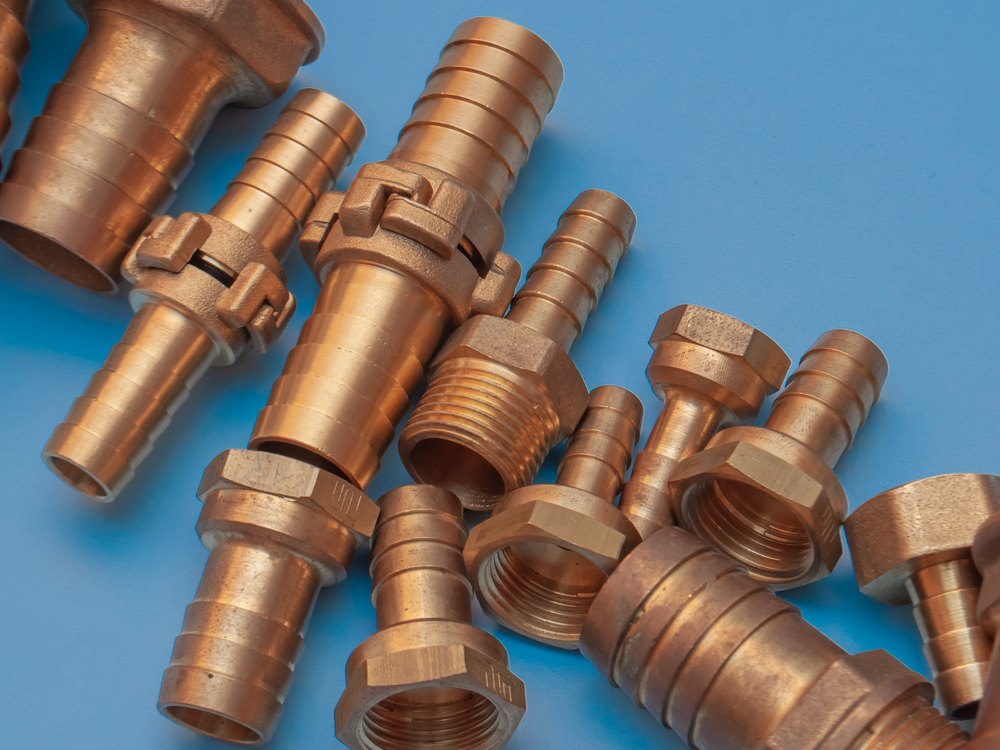
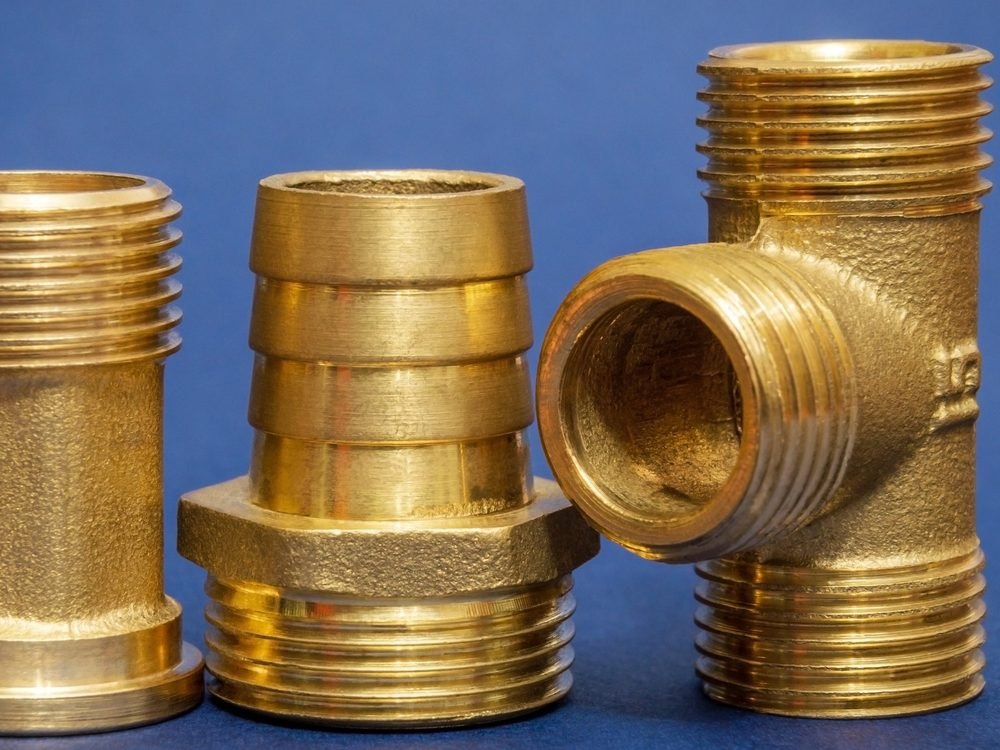
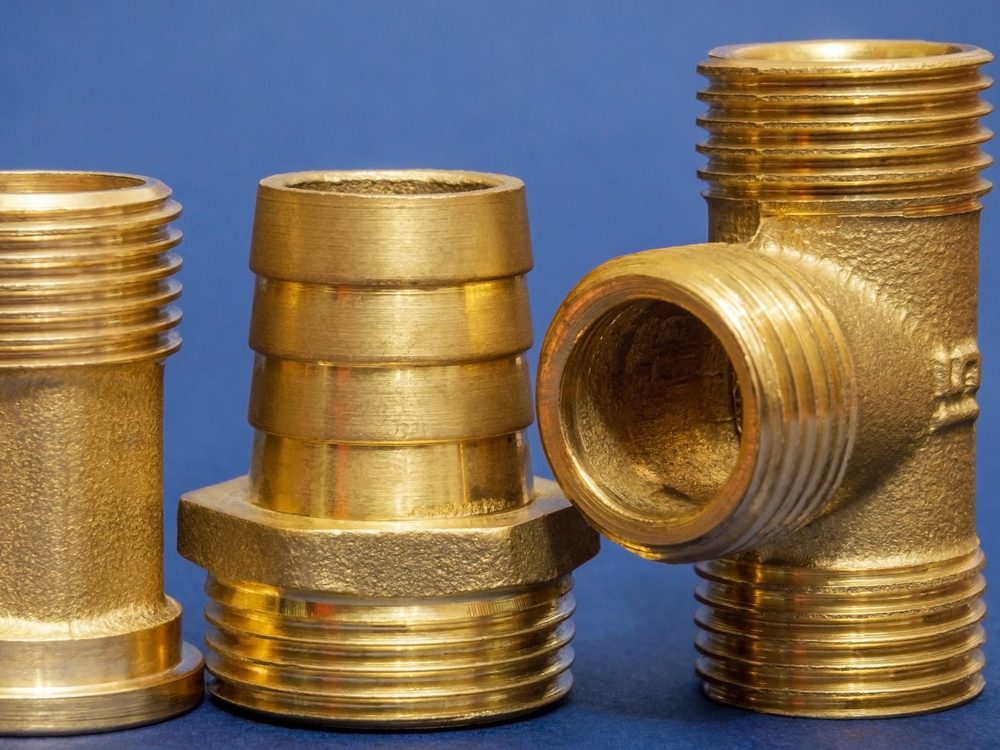
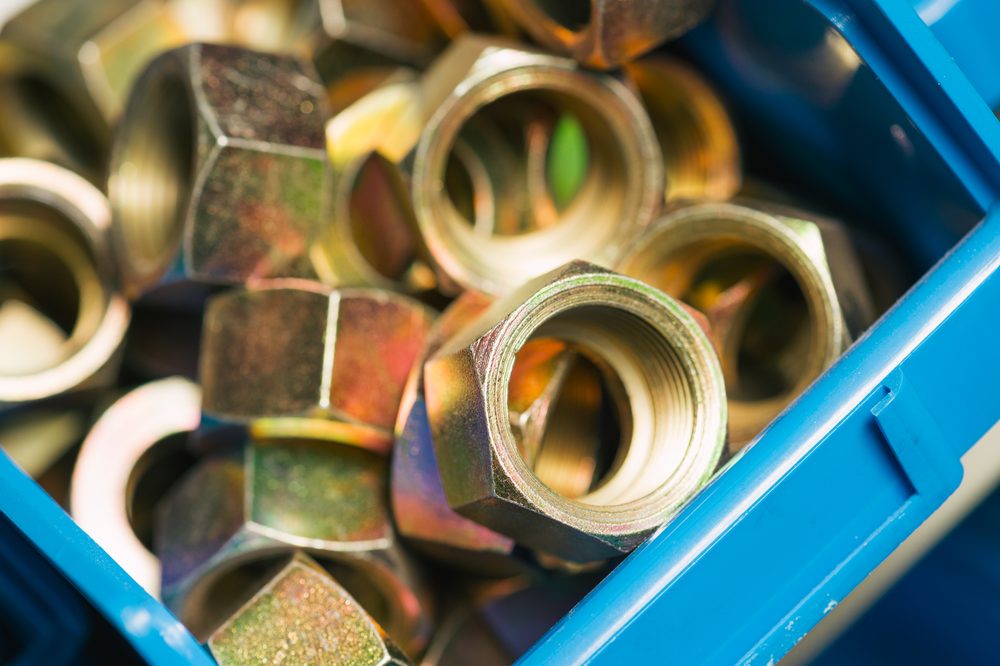
- plumbing fittings
- brass bushes / bearings
- brass flanges
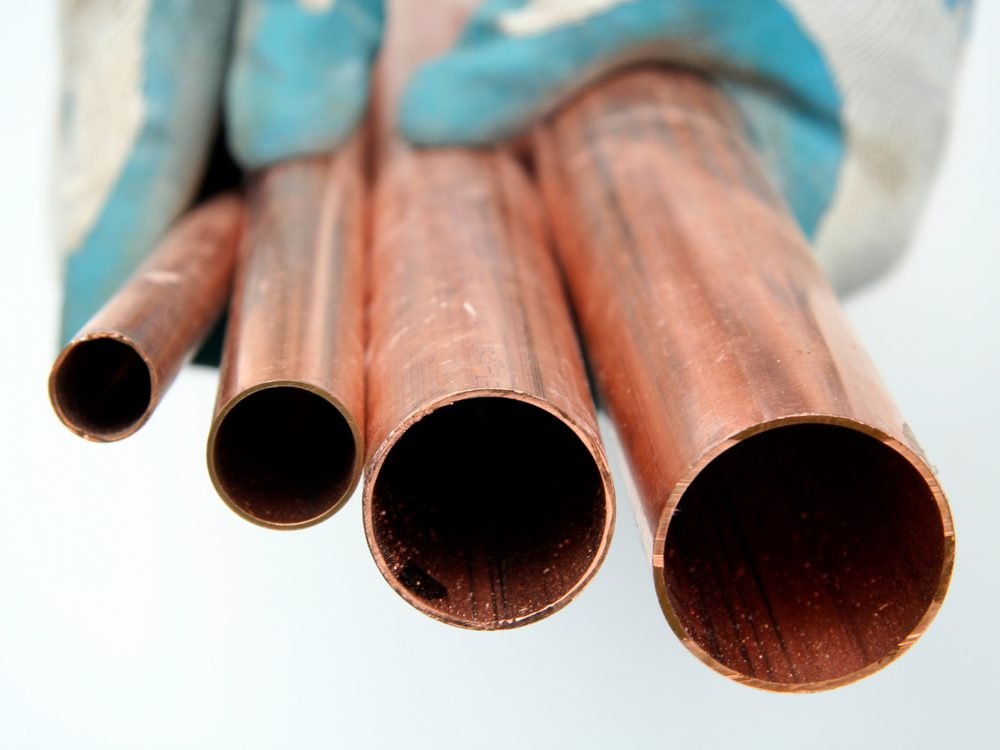
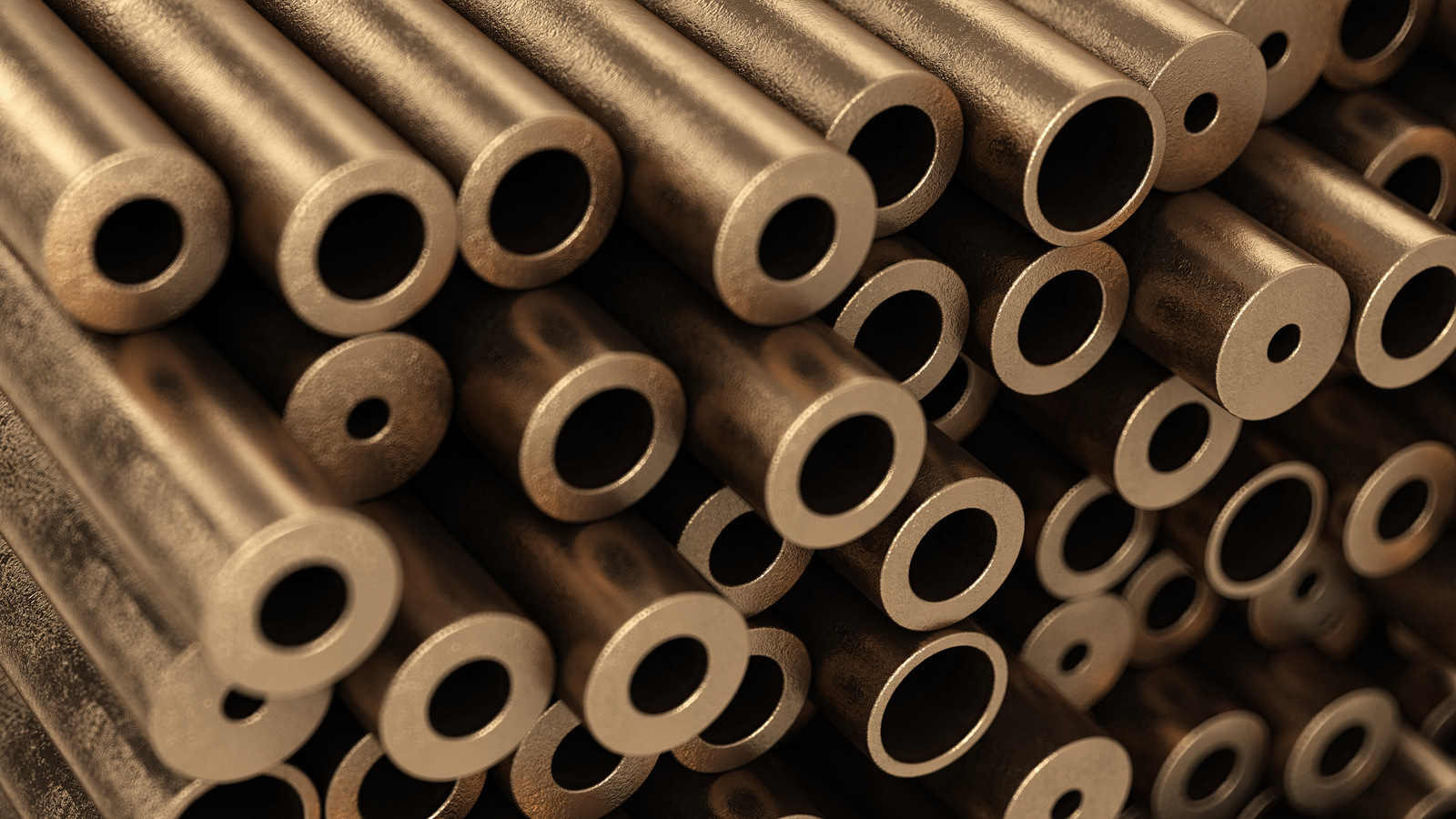
- brass tubes
- door handles / hardware
Irony Brass — Scrap Grade
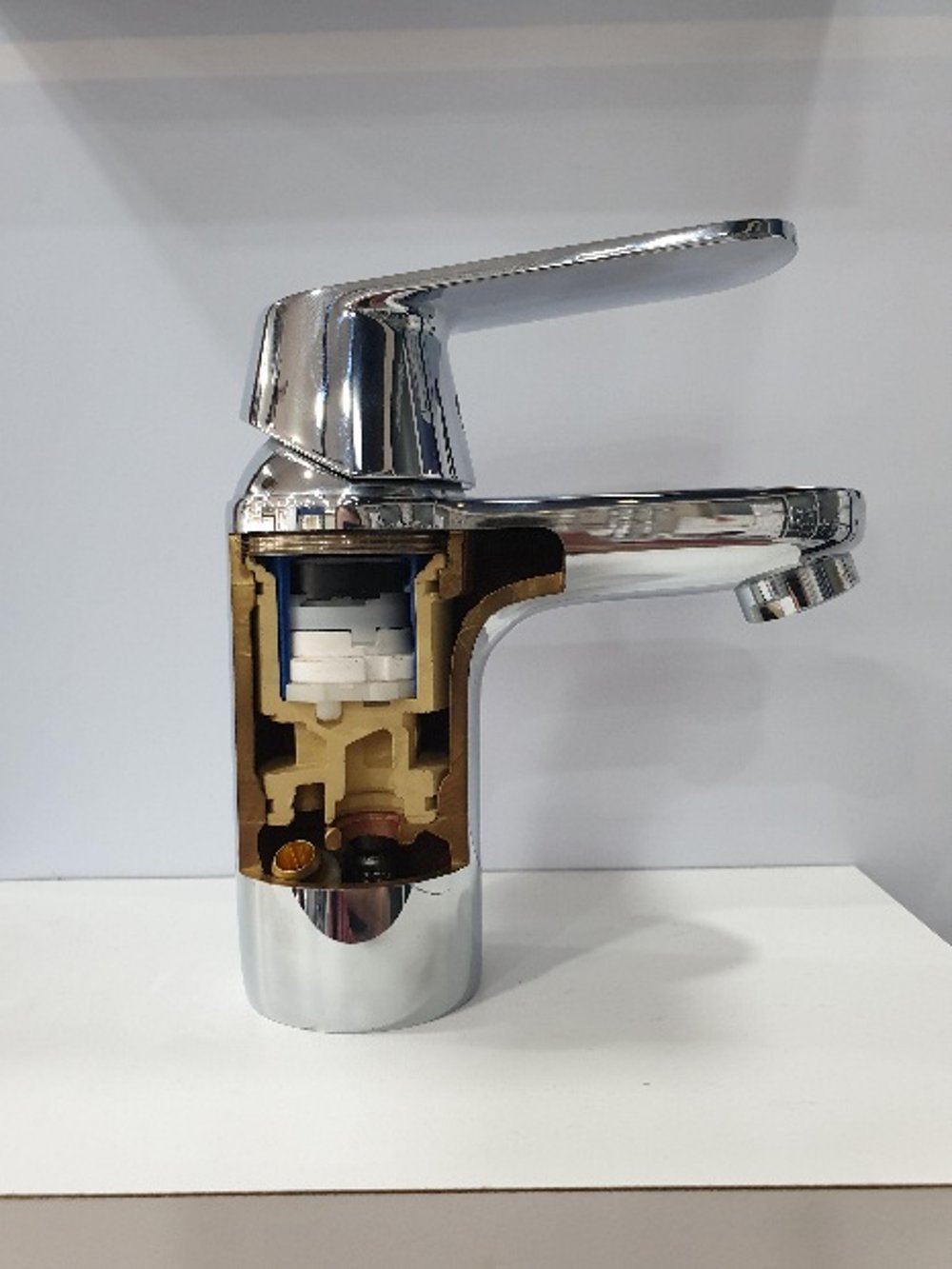
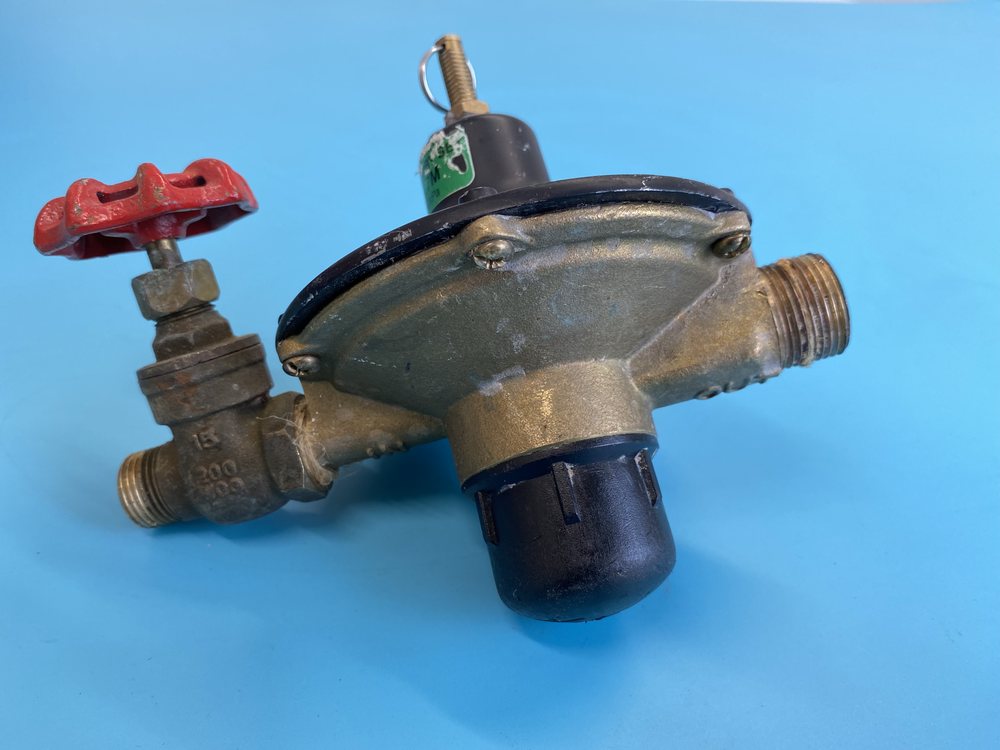
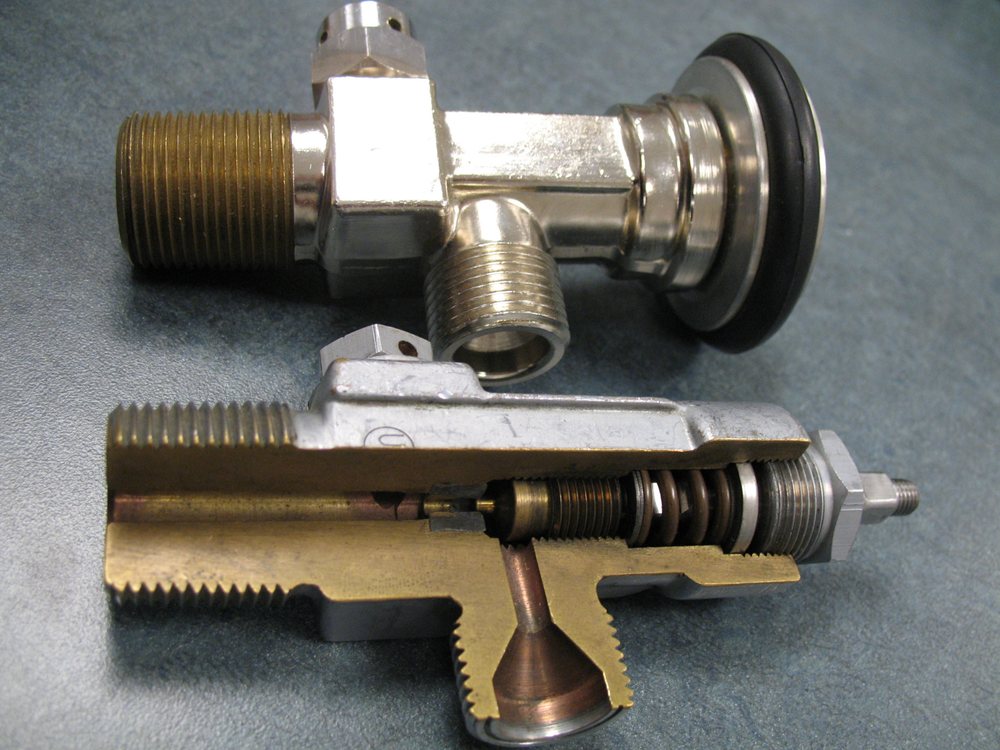
irony brass
conditions
- more than 70% brass
- may contain:
- oxidisation
- solder / oil / paint
- plastic / rubber
- ferrous parts
- other non-ferrous
examples
- complete modern taps
- brass w/ chrome / zinc coat
- tubes w/ connectors
- flanges with steel backing
- taps w/ zinc / plastic
- complete brass locks
Mixed Metal Brass — Scrap Grade
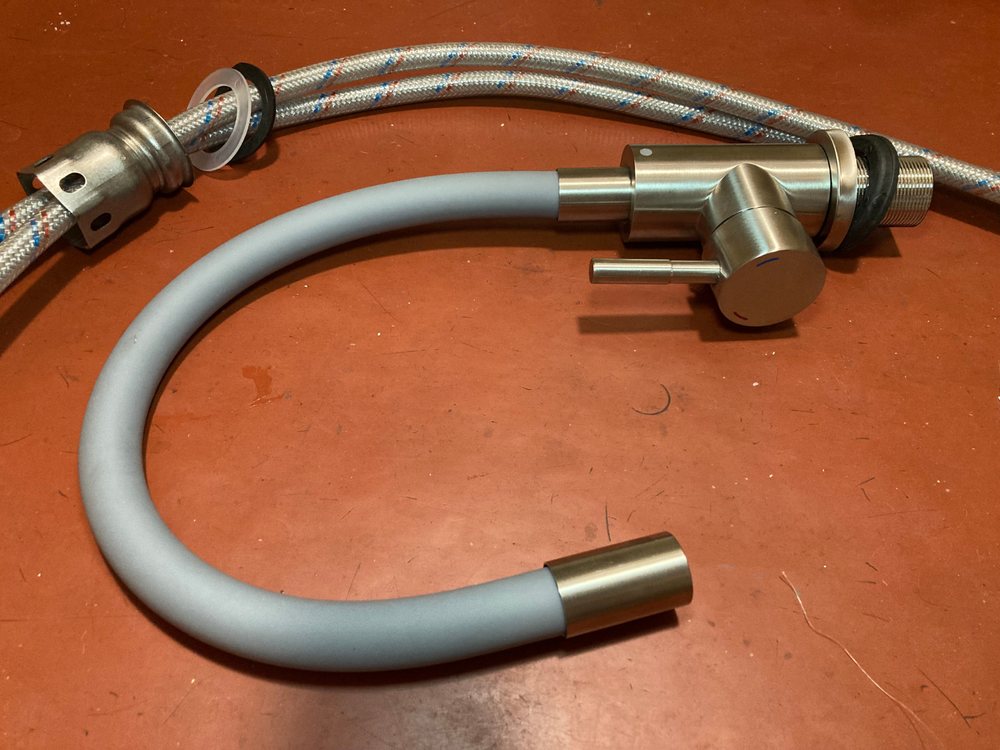
mixed metal brass
conditions
- less than 70% brass by weight
- may contain:
- ferrous attachments
- non-ferrous attachments
examples
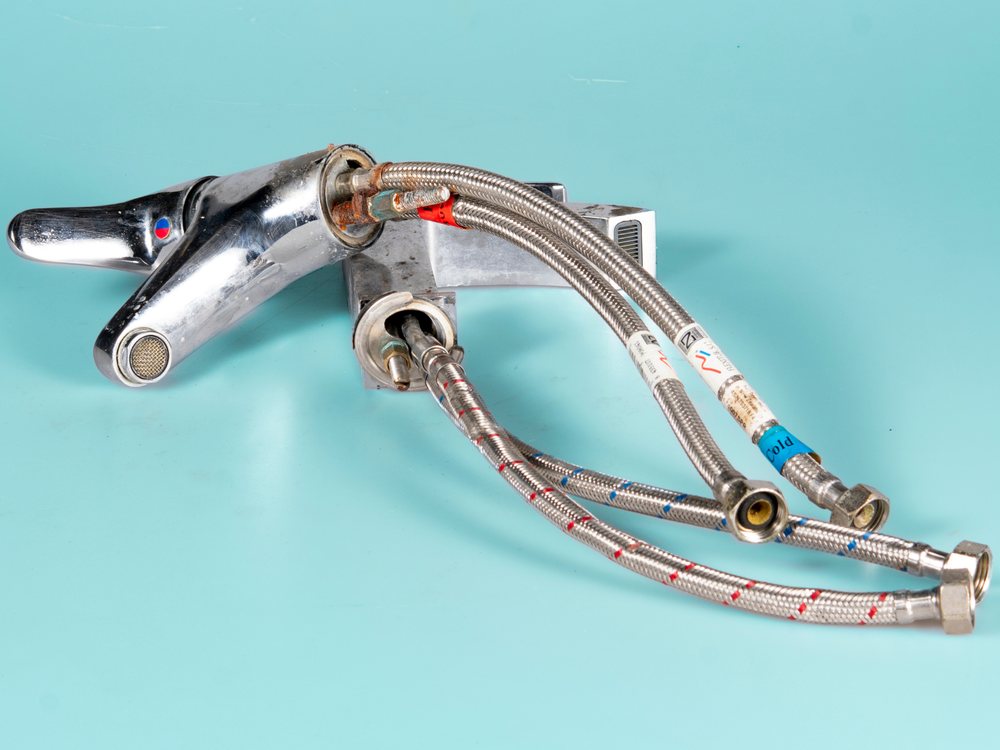
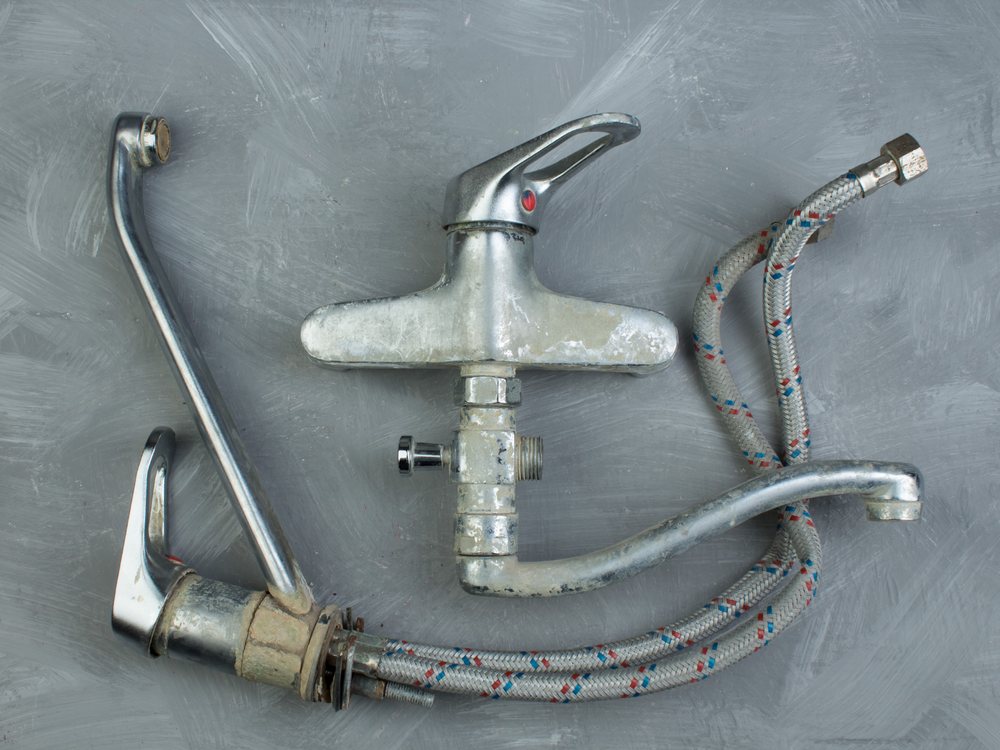
- taps w/ hoses
- valve w/ attachments
- complete shower valve
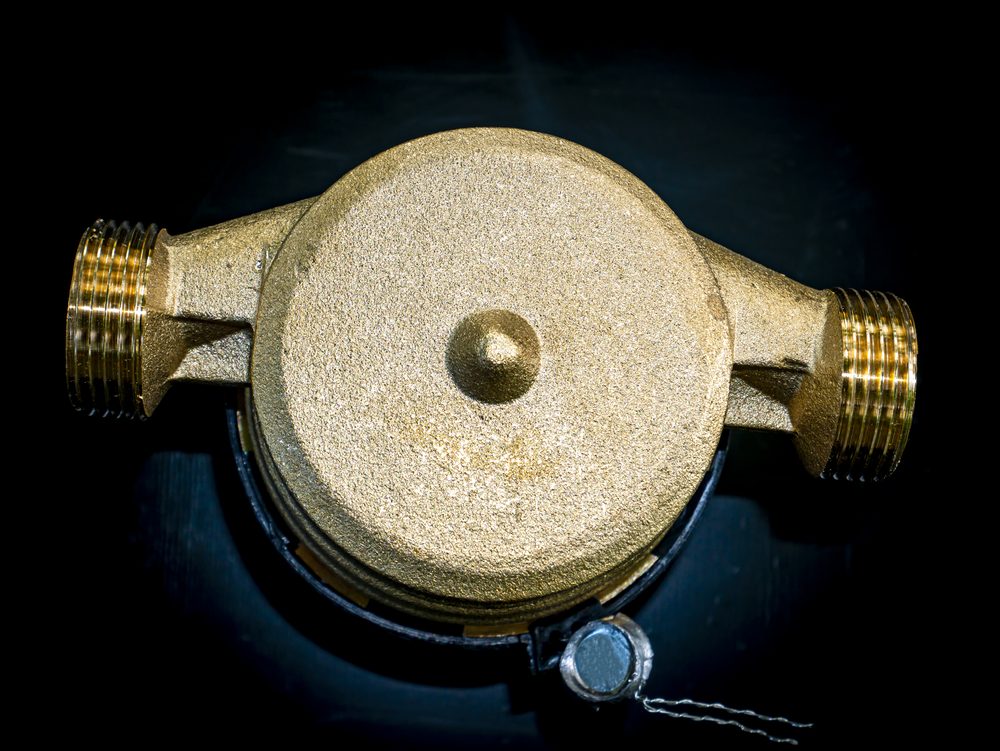
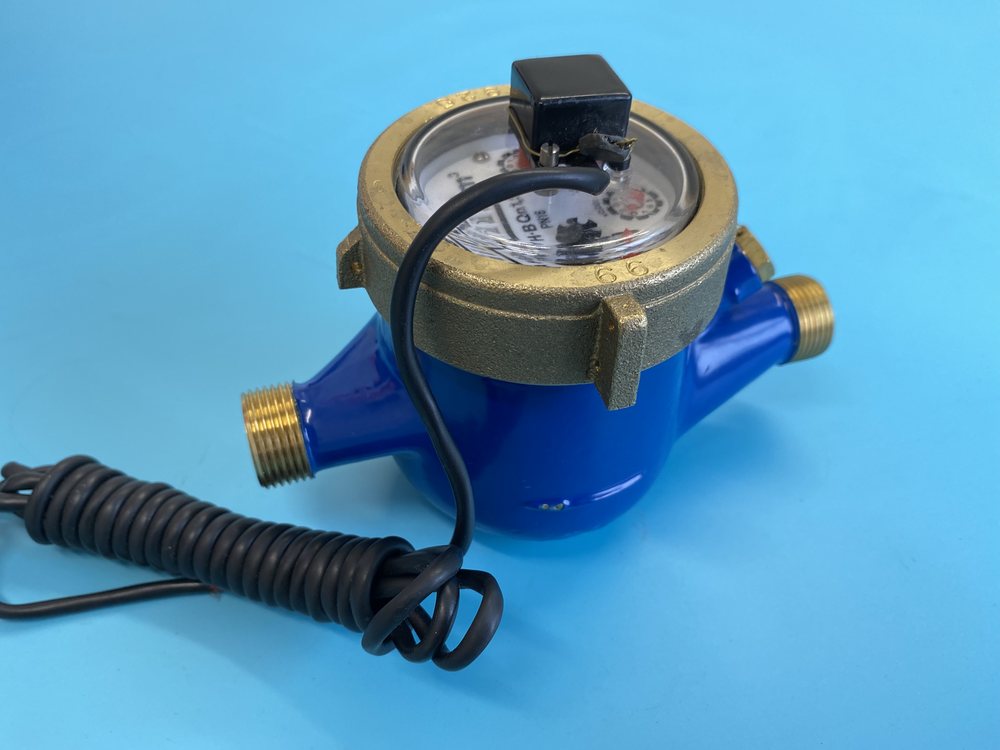
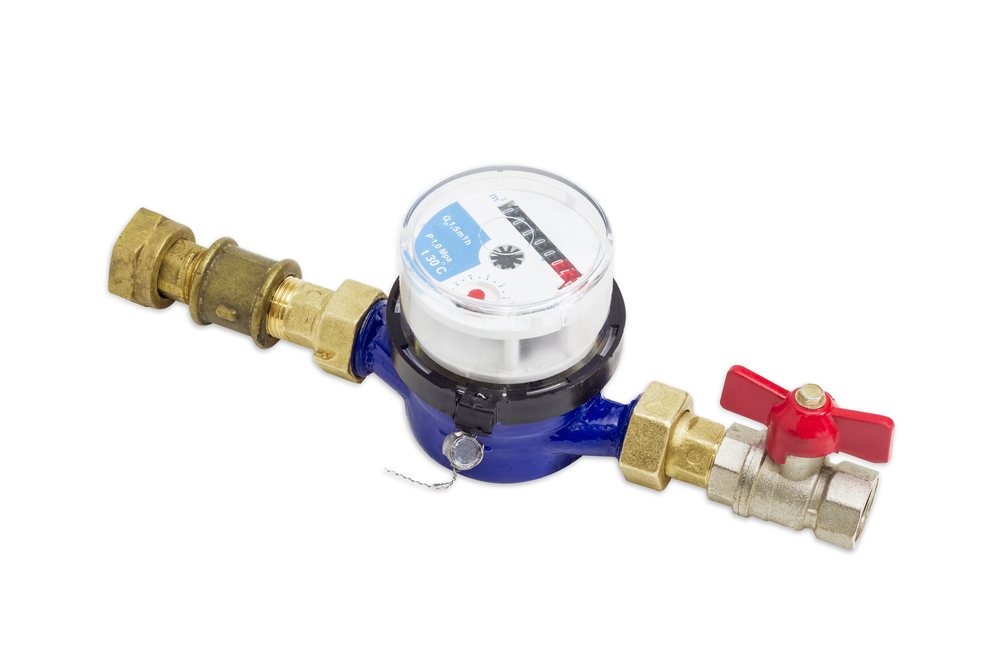
- complete water meters
Brass Swarf — Scrap Grade
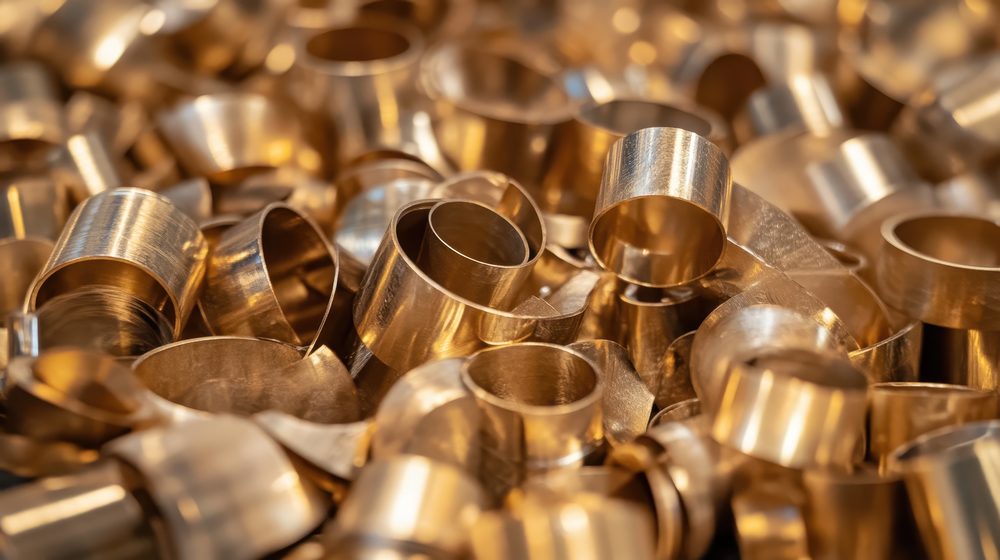
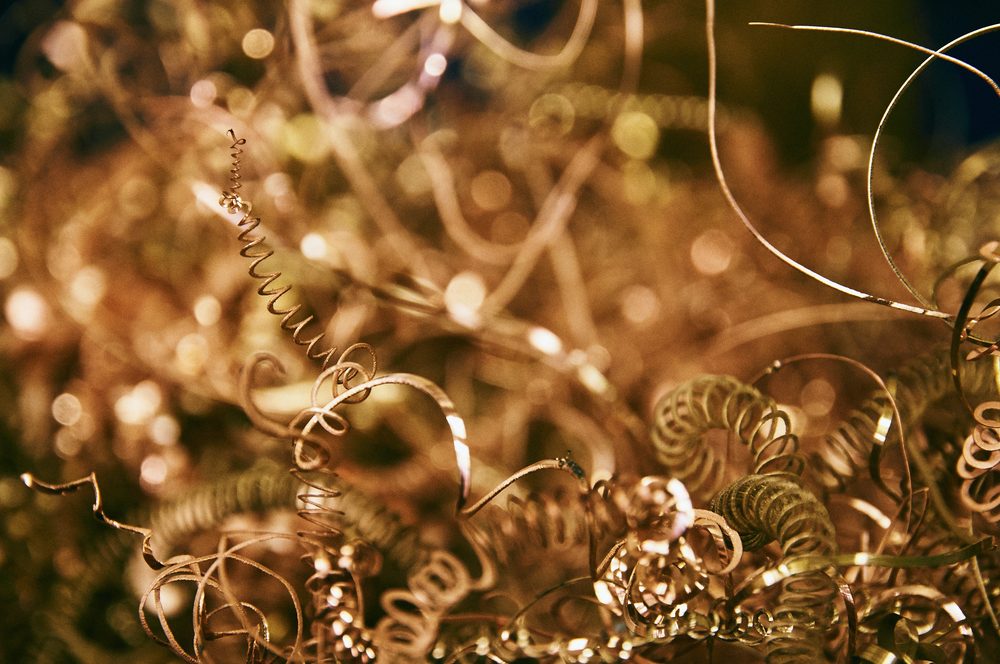
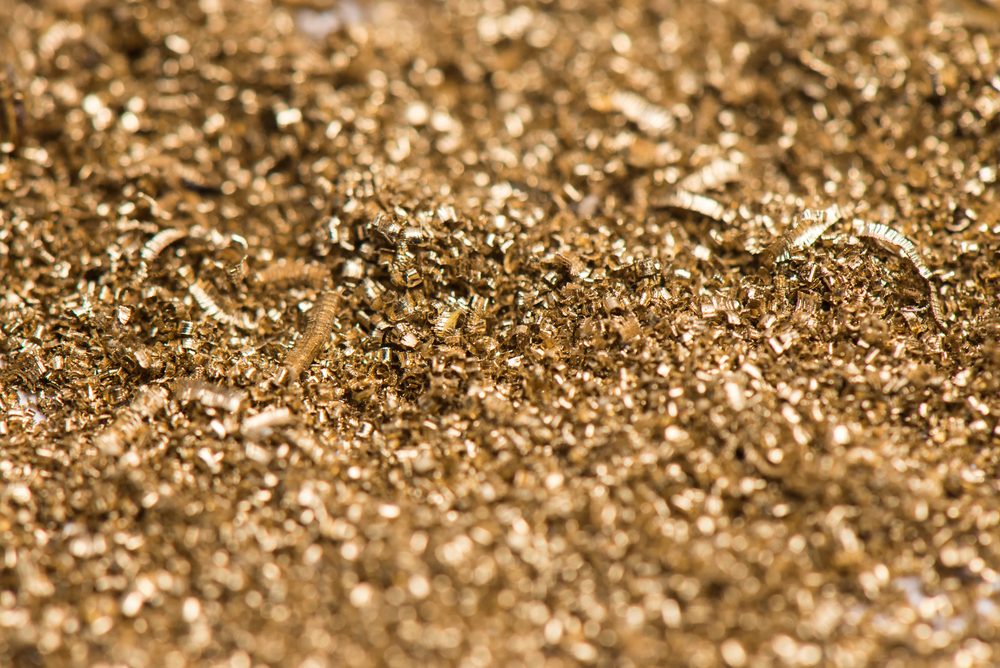
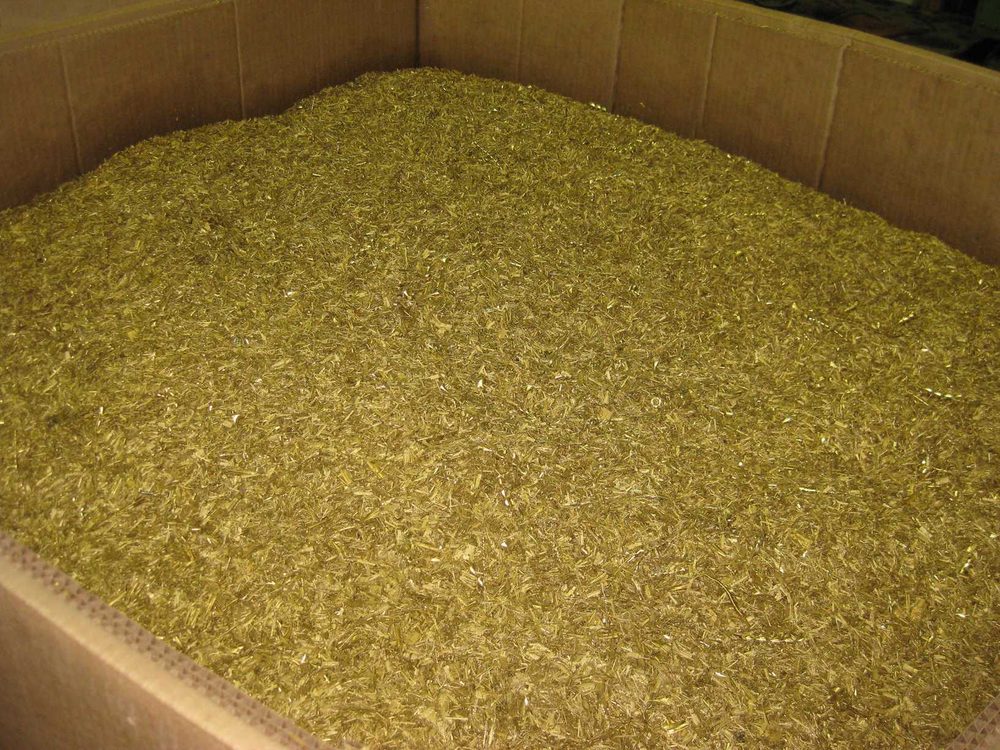
brass swarf
conditions
- non-magnetic
- no contamination:
- oil or coolant
- mixed metals
- ferrous contamination
examples
- CNC brass turnings
- lathe swarf
- brass filings
- machining offcuts
Brass Cartridges — Scrap Grade
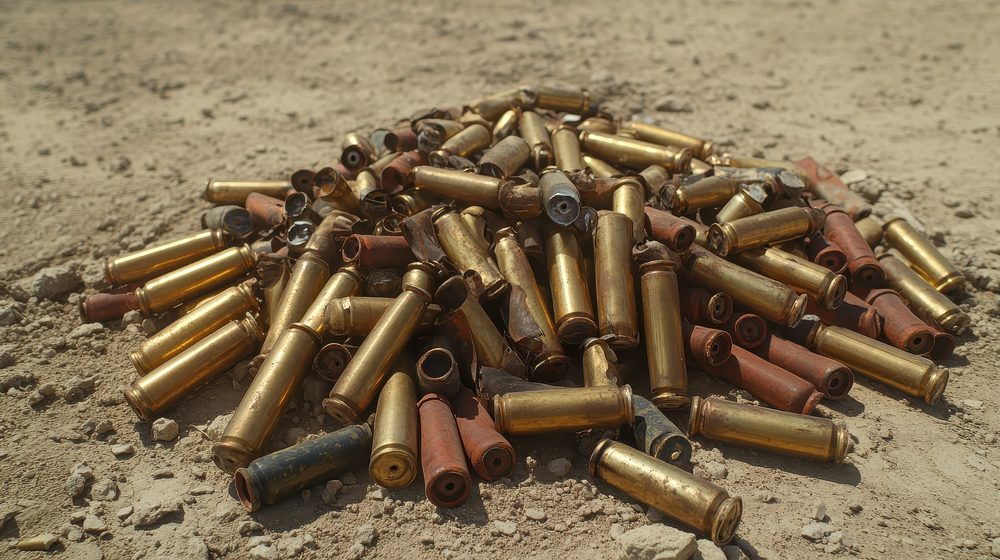
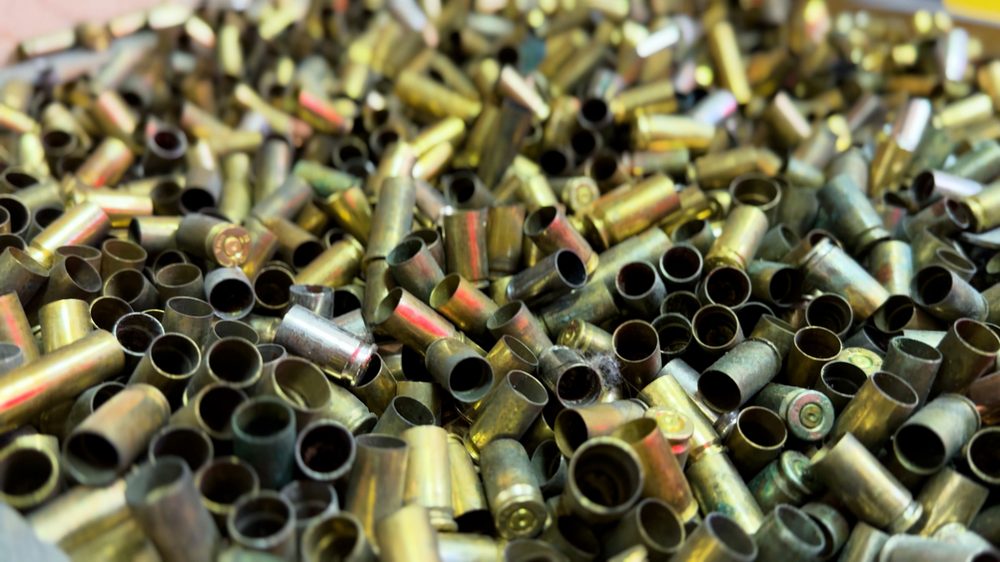
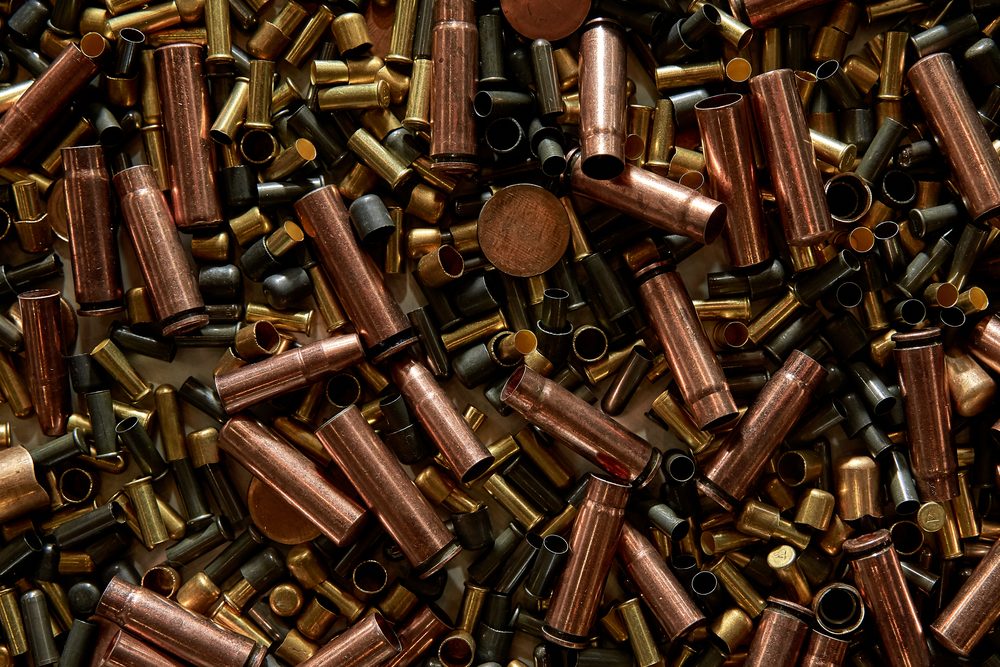
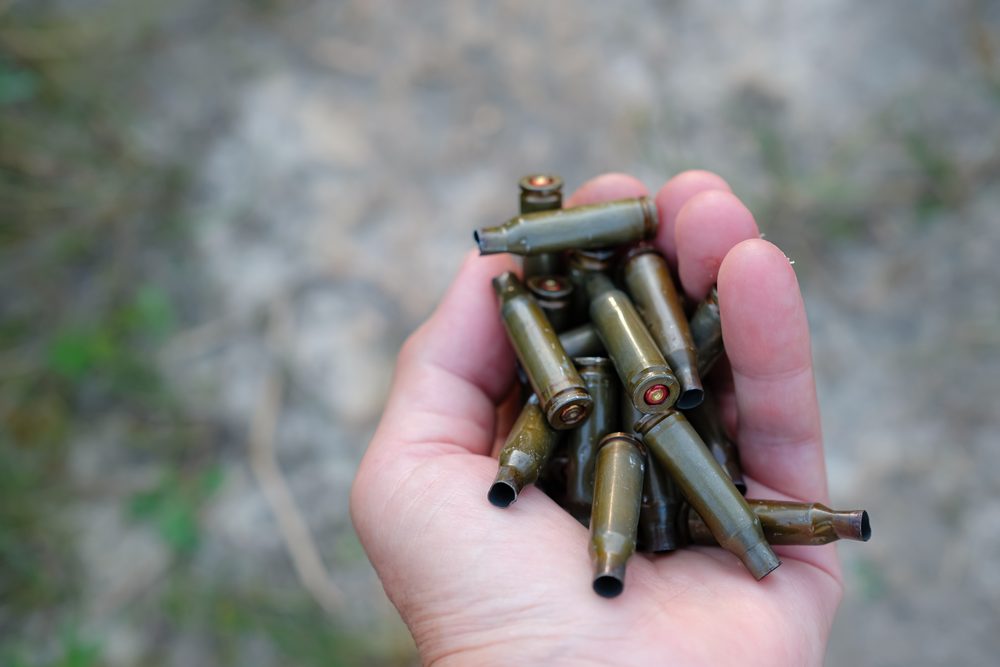
brass cartridges
conditions
- non-magnetic
- deprimed preferred
- no contamination:
- live rounds
- steel casings
- berdan primers
examples
- spent cartridge cases
- brass shell casings
- deprimed brass
- mixed calibre brass
We do not accept live ammunition under any circumstances
Gunmetal — Scrap Grade
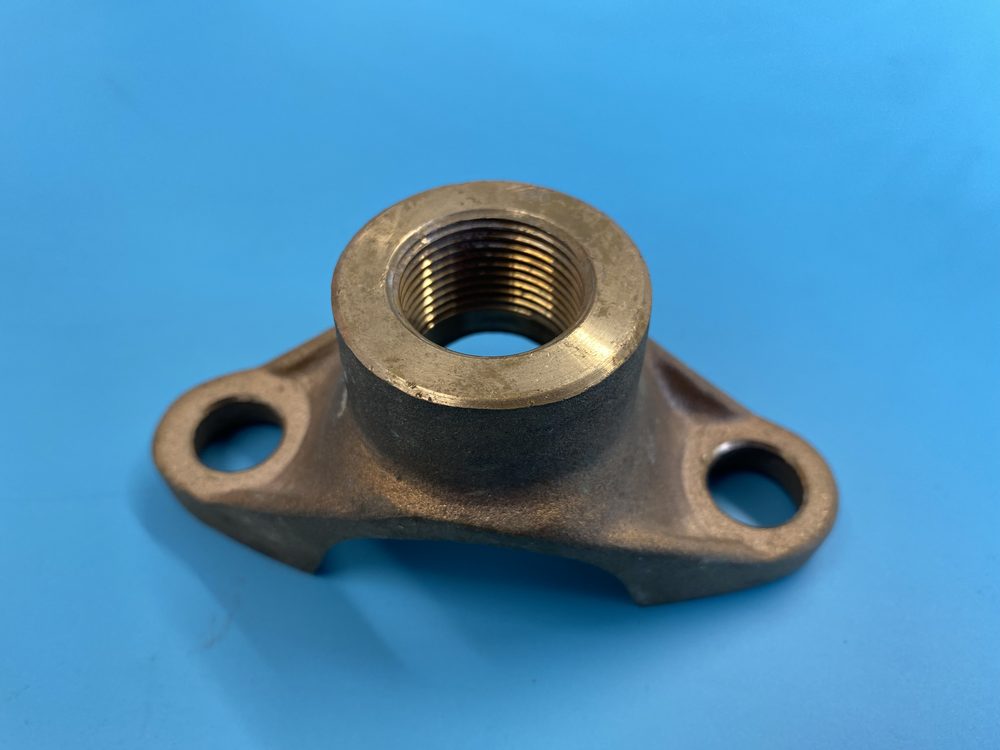
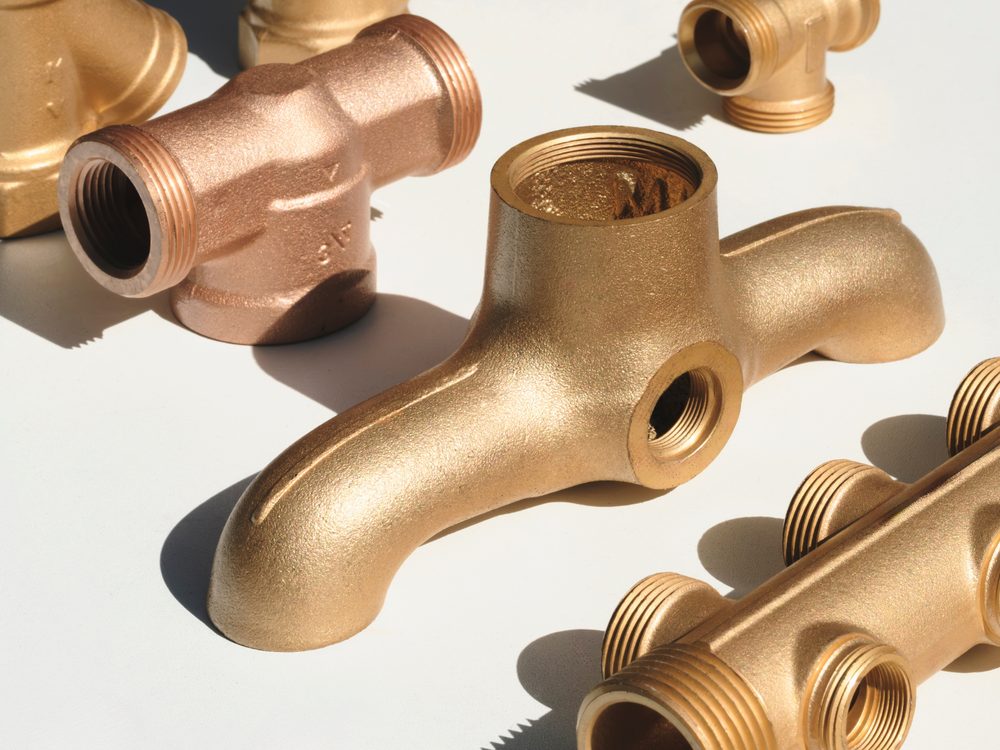
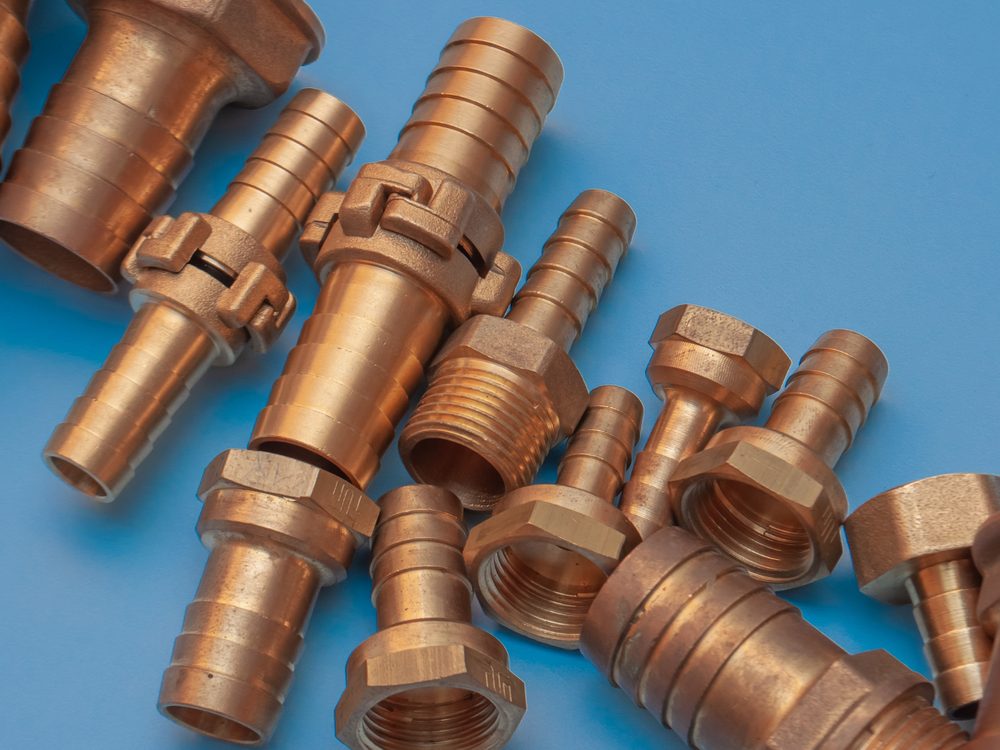
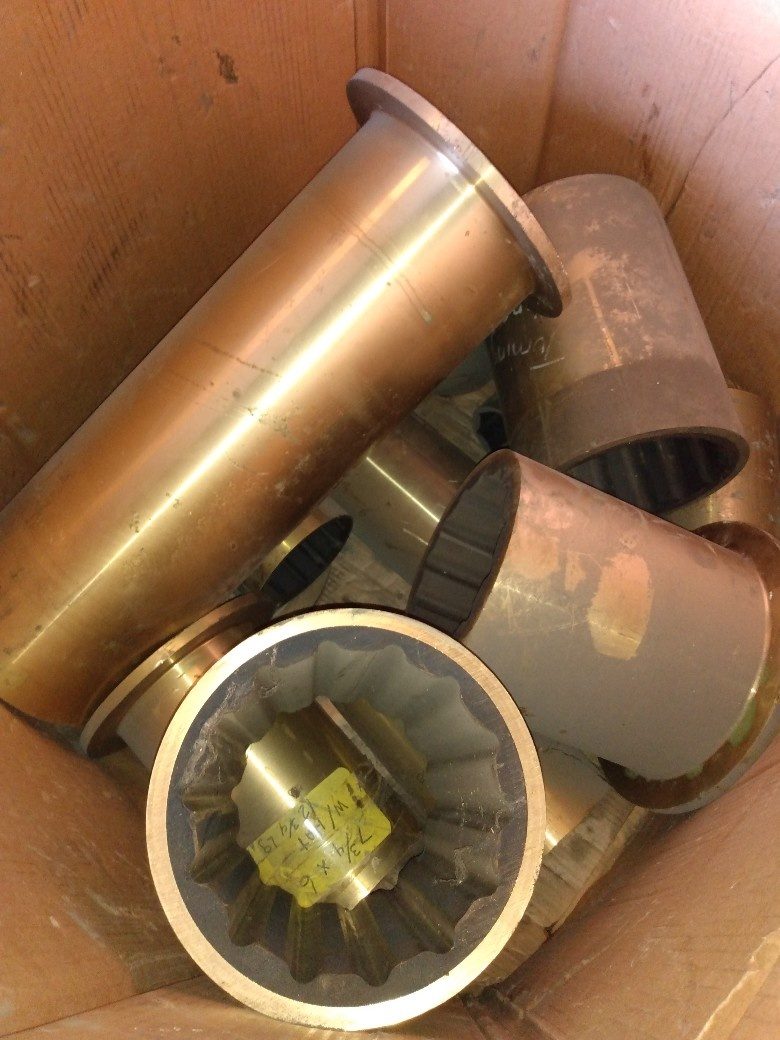
gunmetal
conditions
- non-magnetic
- no contamination:
- ferrous attachments
- plastic / rubber
- paint or coatings
examples
- valve bodies
- pump housings
- marine fittings
- fire hydrant parts
ready to sell your brass?
find your nearest yardGunmetal Swarf — Scrap Grade
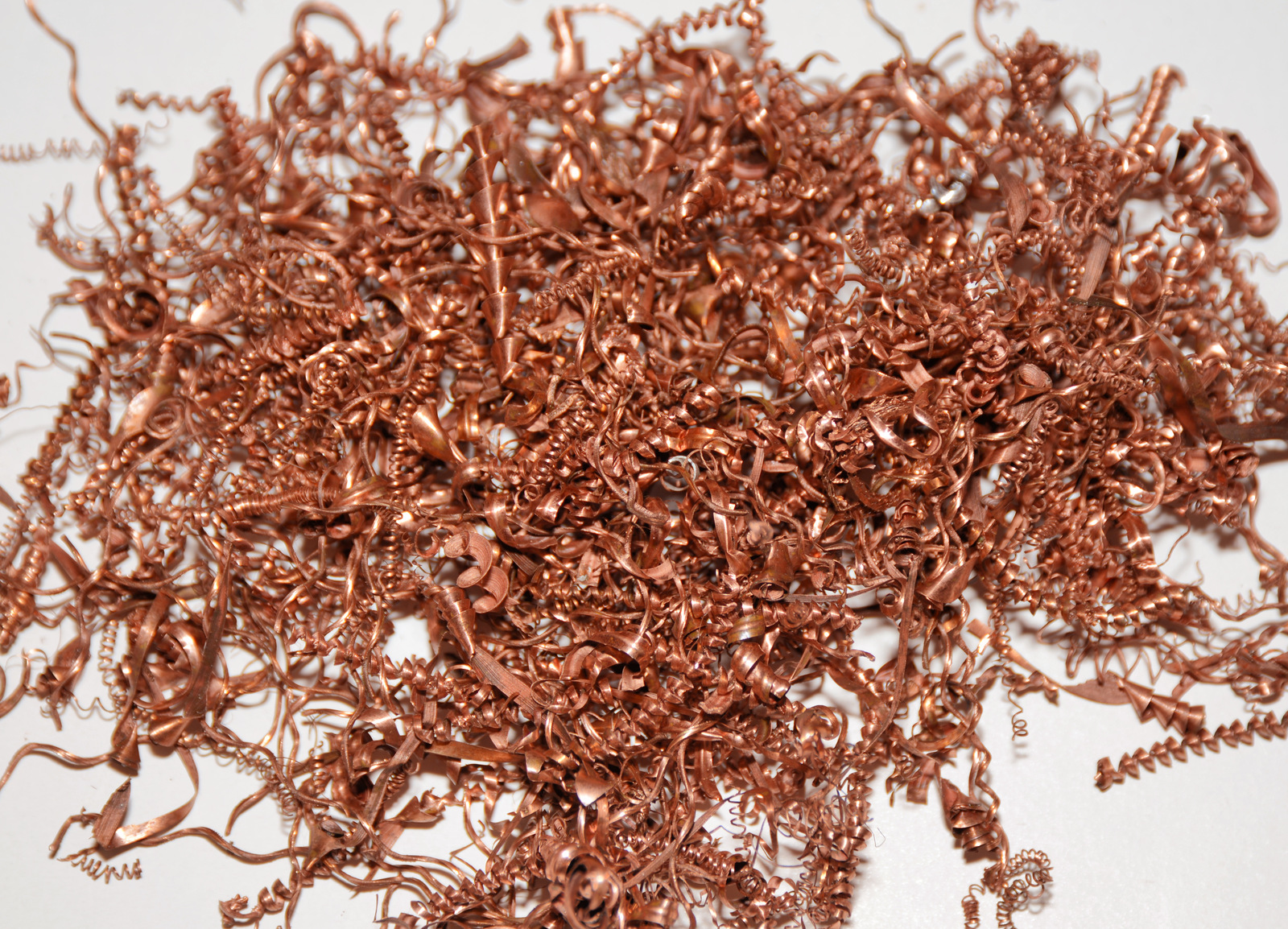
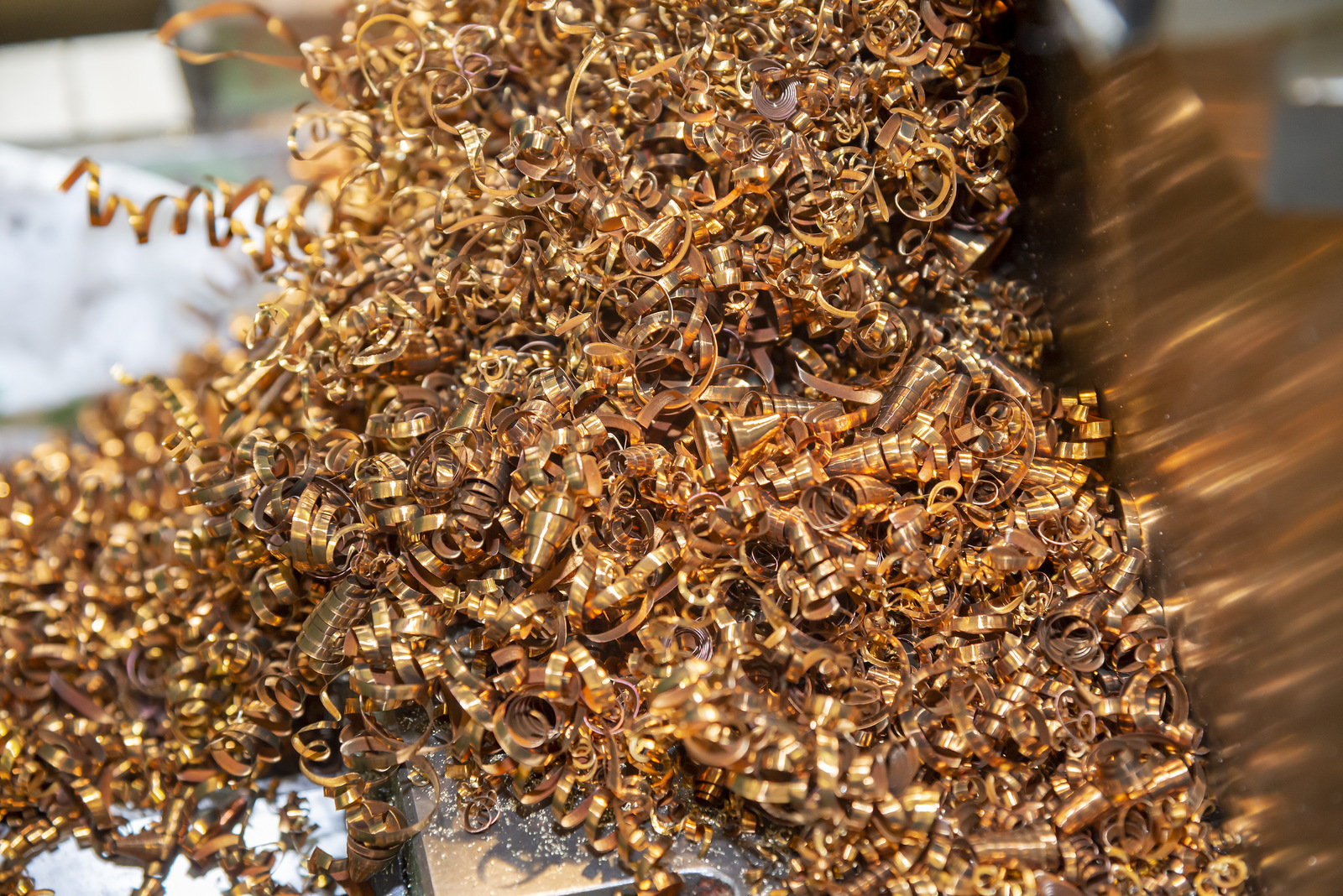
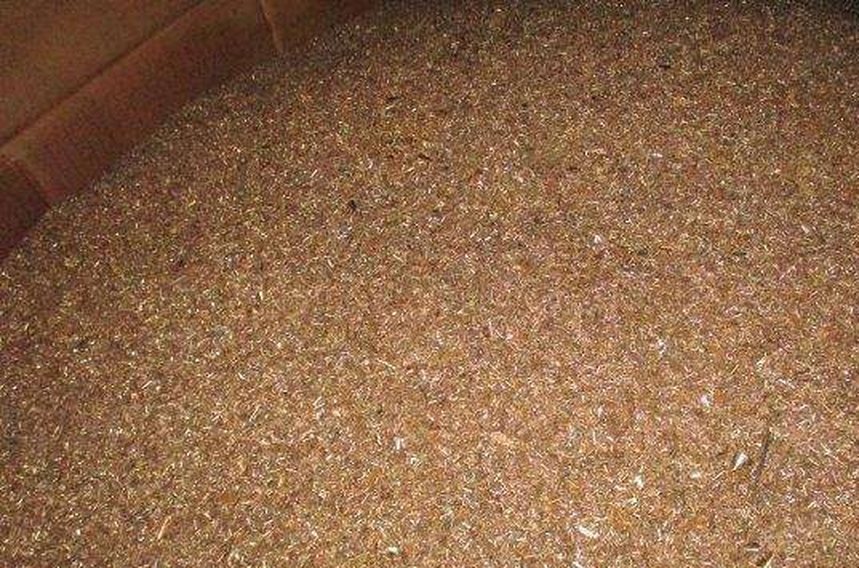
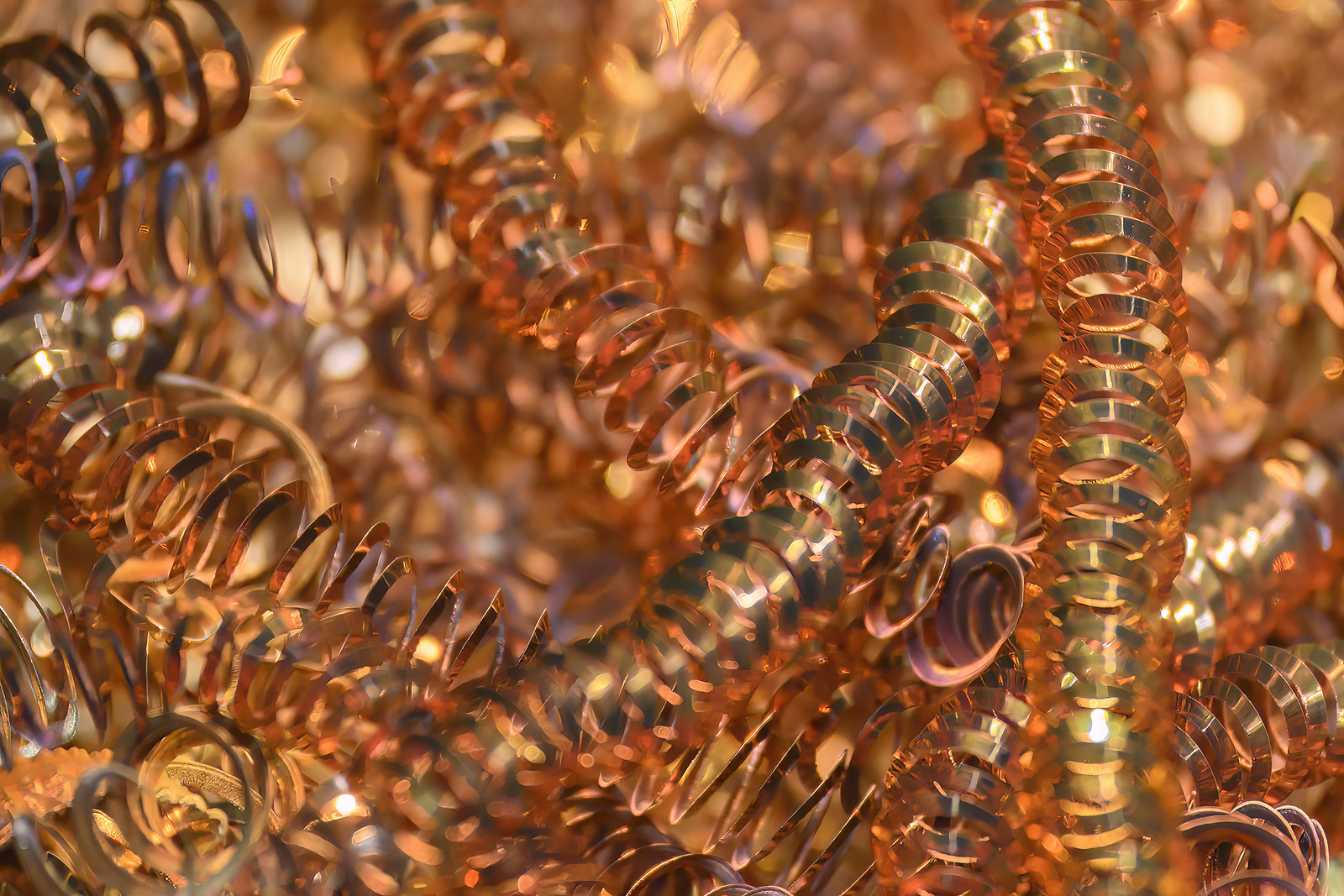
gunmetal swarf
conditions
- non-magnetic
- clean turnings only
- no contamination:
- oil or coolant
- mixed metals
- ferrous contamination
examples
- CNC gunmetal turnings
- lathe swarf
- gunmetal filings
- machining offcuts
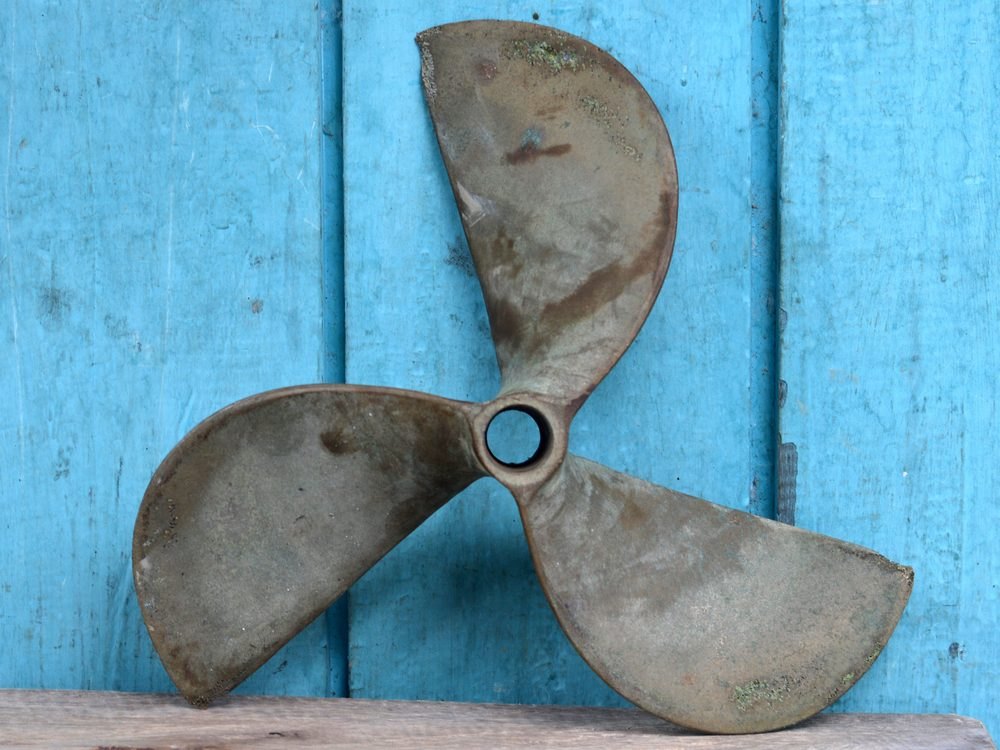
Bronze — Scrap Grade
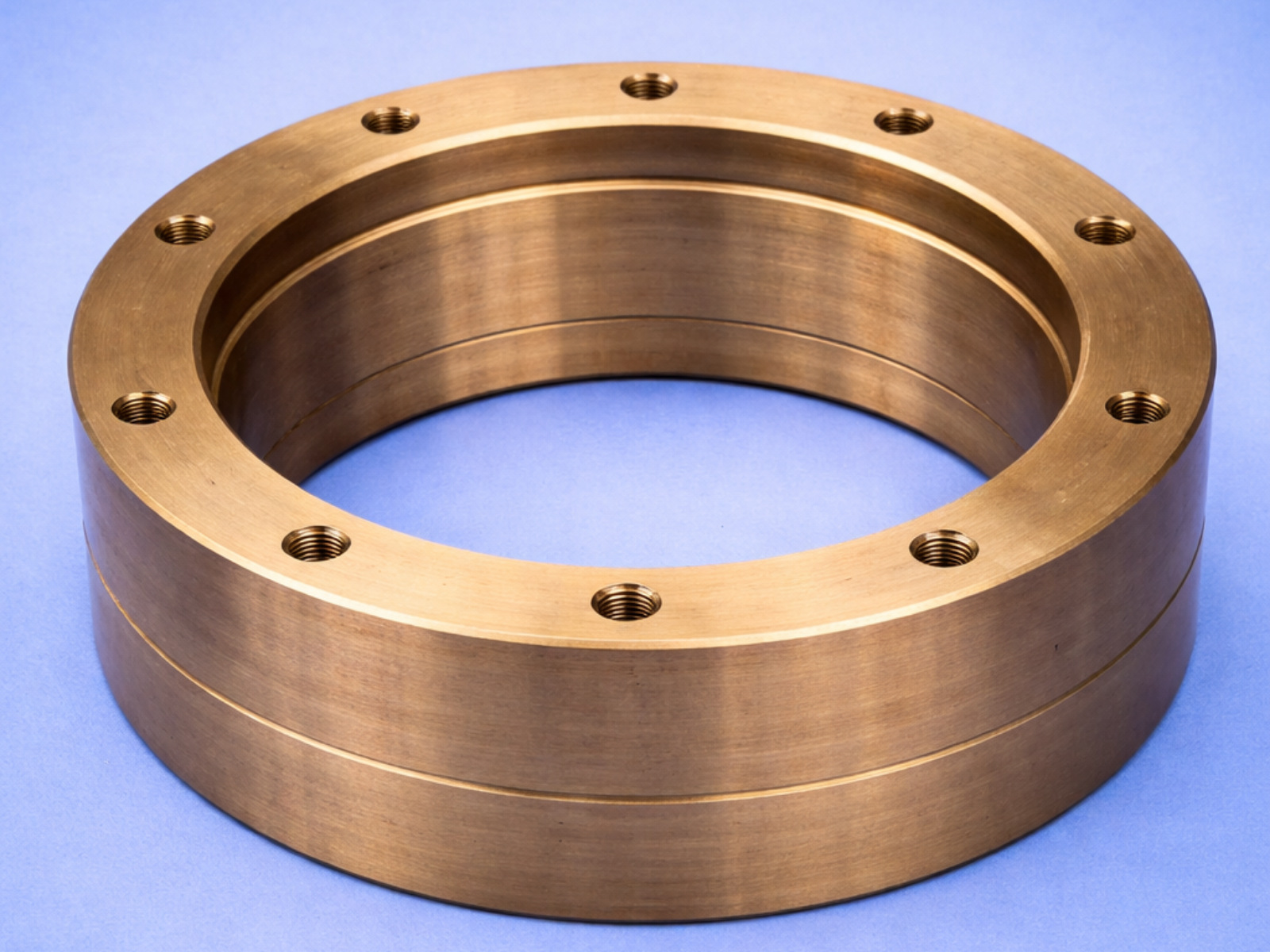
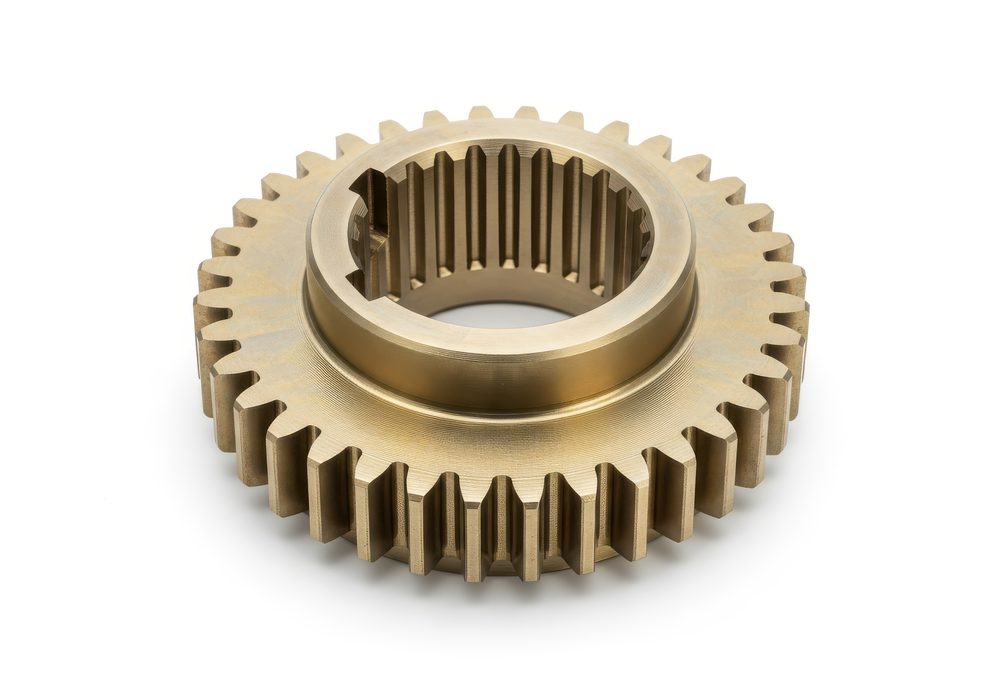
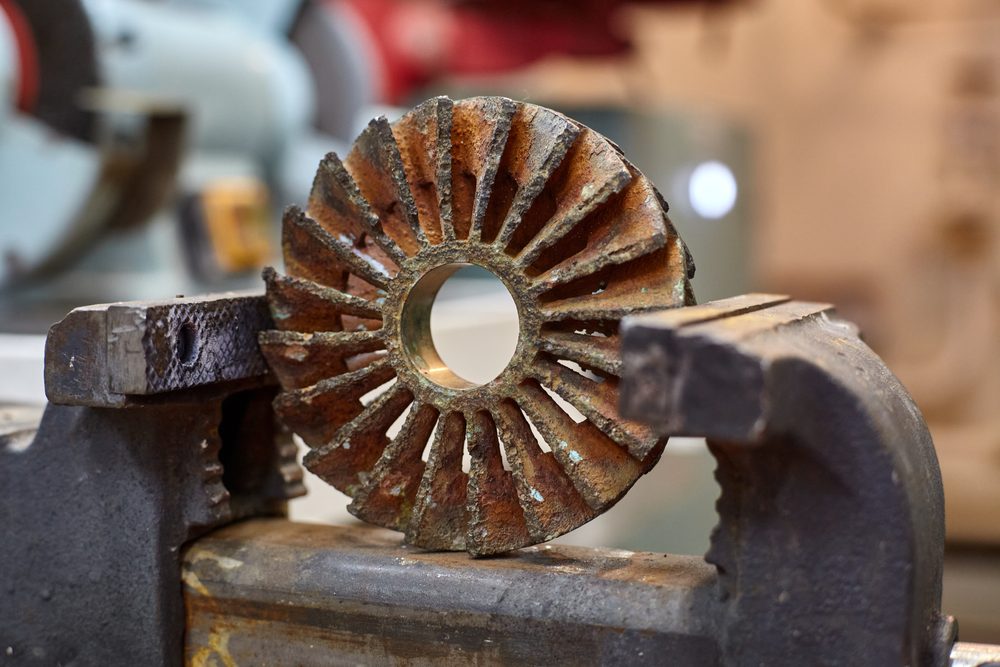
bronze
conditions
- non-magnetic
- no contamination:
- ferrous attachments
- paint or coatings
- mixed alloys
examples
- bearings / bushings
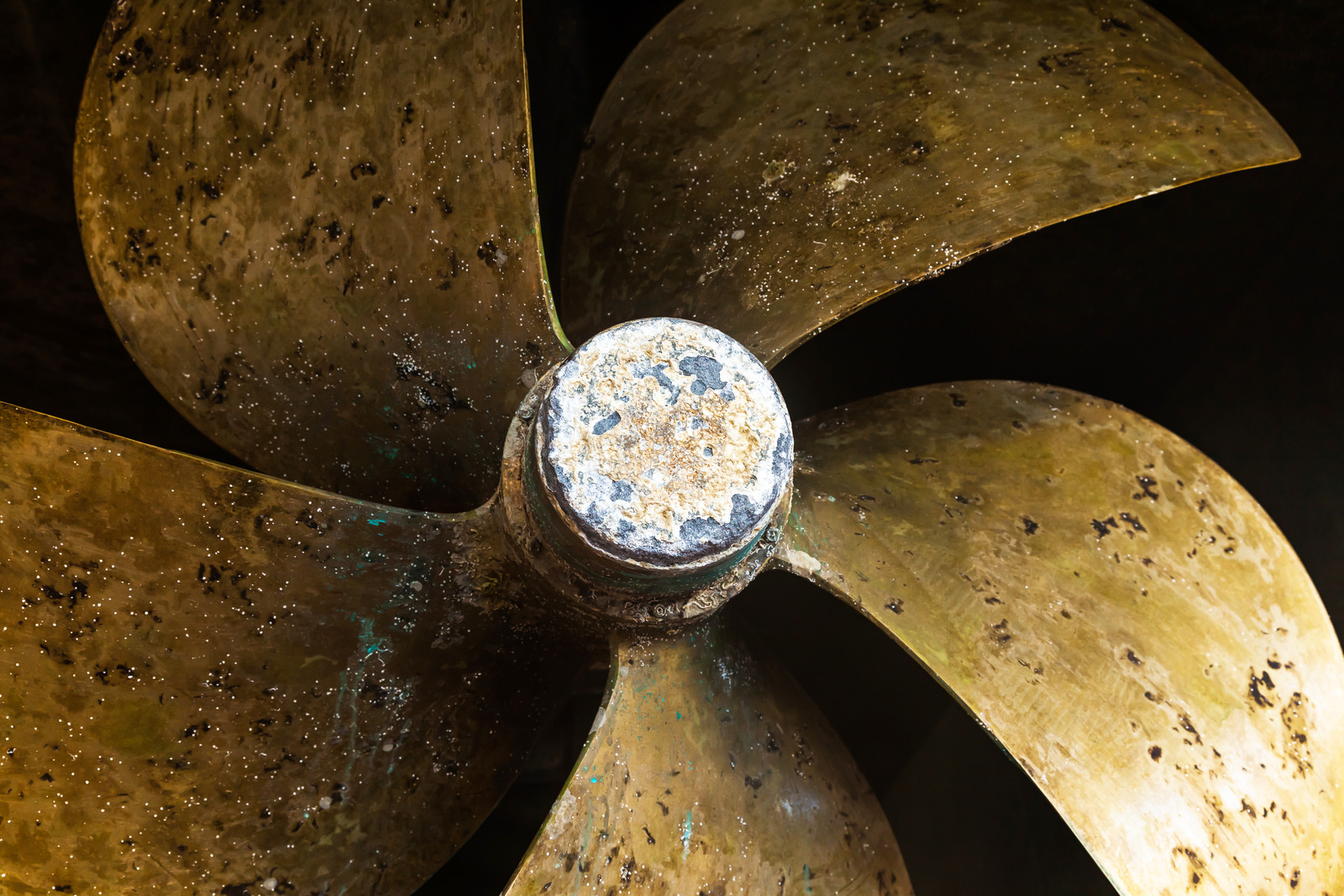
- propellers
- statues / ornaments
- bronze castings
- impellers
- aluminium bronze
still not sure what you've got?
Send us a pic and we'll tell you what grade it is and what it's worth. No obligation, no pressure. Just a fast answer from our grading team.
the recycling process
how brass is recycled
Brass is one of the most recyclable metals on the planet. It can be melted down and reused endlessly without losing its core properties. Here's what happens to your brass once it arrives at our yard.
1
collection & sorting
Your brass arrives at our yard and our team sorts it by grade, separating clean brass, irony brass, gunmetal, and bronze to ensure each batch meets export specifications.
2
grading & inspection
Each piece is inspected for contamination. Ferrous attachments, plastics, rubber, and non-brass metals are removed. Proper grading ensures you get the best price for your material.
3
processing & packing
Sorted brass is consolidated, weighed, and packed into export-ready containers. Large pieces may be cut or sheared to meet shipping specifications.
4
export & smelting
Containers are shipped to international smelters where the brass is melted at ~930°C and recast into new ingots, rods, or sheets, ready for a second life.
maximise your return
how to prepare your brass
A little preparation goes a long way. Presenting clean, sorted brass means better grades, faster processing, and higher payouts. Here's how to get the most from your scrap.
- Sort by alloy: keep brass, gunmetal, and bronze separate. Mixed red metals downgrade the entire batch.
- Remove ferrous attachments: steel screws, bolts, brackets, and iron fittings will move your brass into a lower-paying "irony" grade.
- Strip non-metal contamination: plastics, rubber, wood, paint, and coatings all reduce value. The cleaner the brass, the higher the price.
- Keep swarf dry: brass turnings and shavings should be free of cutting oil and coolant. Oily swarf attracts a lower price.
- Use a magnet: a quick magnet test separates brass (non-magnetic) from steel or iron look-alikes. If it sticks, it's not brass.
- Sort cartridge brass separately: spent brass cartridges (70/30 Cu/Zn) are a premium grade. Don't mix them with general plumbing brass.
Pro tip: If you are a plumber, machinist, or regular trade supplier handling ongoing volume, ask our team about dedicated scrap metal bin hire and collection services. We can help you set up a sorting system that gets you the best brass price per kg on every load.
sustainability
why recycle brass
Every kilogram of brass recycled is a kilogram that doesn't need to be mined. Recycling brass uses a fraction of the energy required to produce virgin metal, and it keeps valuable resources in circulation.
95%
less energy
Recycling brass uses up to 95% less energy than extracting and refining virgin copper and zinc from ore.
∞
endlessly recyclable
Unlike plastics, brass doesn't degrade. It can be recycled infinitely without any loss in quality or performance.
0
landfill required
Less demand for virgin copper and zinc means fewer open-pit mines, less habitat destruction, and lower carbon emissions.
At endless, we're committed to keeping metals in the circular economy. When you recycle with us, your scrap brass becomes new product, not landfill.
what we pay
brass pricing
The scrap brass price per kg changes weekly with international commodity markets and the NZD/USD exchange rate. We update our rates weekly and publish them per yard, so you can check today's price before you drive in.
grade & purity
Clean brass with high copper content commands the best prices. Irony or contaminated brass is discounted to cover additional processing costs.
LME copper price
Brass value is driven primarily by its copper content. When the LME copper price rises, brass prices follow.
NZD/USD exchange rate
As an export commodity, brass is priced in USD. A weaker NZ dollar means higher local prices, and vice versa.
volume & consistency
Larger, regular loads of well-sorted brass attract premium pricing. Talk to our team about contract rates for consistent supply.
For today's brass prices at your nearest yard, visit our brass pricing page or call our team directly. We provide instant quotes, no obligation.
still have questions?
Find what you’re looking for in the FAQs below.
Brass is priced on its copper content, so it moves weekly with the LME copper price and the NZD/USD rate. Clean yellow brass pays the most; irony and mixed-metal brass pay less. For today's rate see our brass pricing page or call 0800 44 88 99 — graded on the spot, paid same day.
It's quoted per kilogram and changes weekly with the copper market and exchange rate. We publish current per-kg rates per yard rather than a fixed figure — check the pricing page or call for today's number.
Clean brass is brass fittings, valves, taps, fixtures and ornaments that are free of steel, chrome plastic and other attachments. Light tarnish is fine — it's contamination, not tarnish, that drops the grade.
Irony brass is brass that still has contamination attached or mixed in — not just steel or iron, but also plastic, rubber, paint, solder, oxidation, or other non-ferrous metals. It's still mostly brass, but the contamination lowers the grade, so we pay it as irony unless it's cleaned up first. Typical examples: valve bodies with steel springs, fittings with plastic handles or steel threads, and brass on a steel backing.
Often, yes. Bronze and gunmetal are higher-copper alloys, so they can pay more than yellow brass. Keep them separated from your brass rather than mixing — a mixed load is graded down to the lowest metal present.
Yes. Chrome-plated taps and mixers are graded as mixed-metal brass — the chrome plating and any steel or plastic reduce the recoverable copper, so they pay below clean brass. Check the base metal first: scratch or chip the chrome and if what shows underneath is yellow or gold it's brass. If it's grey or silver it's diecast zinc, which is a separate grade (see other metals).
Yes. Keep brass swarf drained of oil and coolant and separate from steel or other metal swarf, and keep gunmetal turnings separate from brass turnings, so each is graded at its true value.
Sort clean brass from irony, separate bronze and gunmetal into their own piles, and pull off steel fittings, chrome trim and plastic where you can. Clean, sorted brass always beats a mixed bucket.
endless has two yards — Onehunga and Wairau Valley. Drive in during business hours, we weigh and grade your brass on the spot, and pay the same day. Bring photo ID, as we record metal transactions as a licensed dealer.
Yes — brass is endlessly recyclable. It's melted down and the copper and zinc are recovered into new brass stock, using a fraction of the energy of producing virgin metal.
ready to sell your brass?
call us, email us, or drop into either yard. We grade on the spot and pay same day.