
© 2026 Endless Holdings Limited® · Licensed Secondhand Dealer · Web Development by Graphic Detail NZ Ltd.
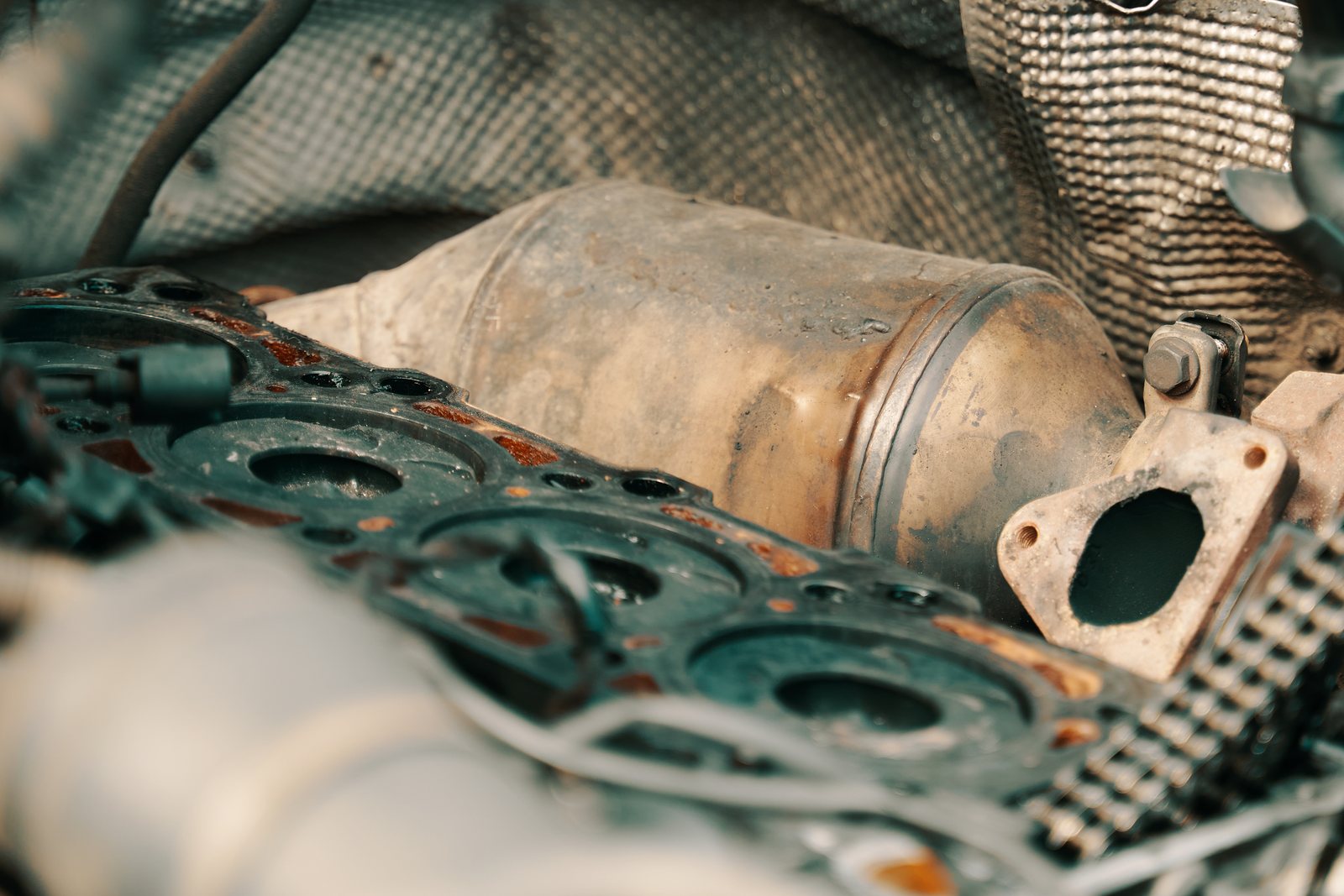
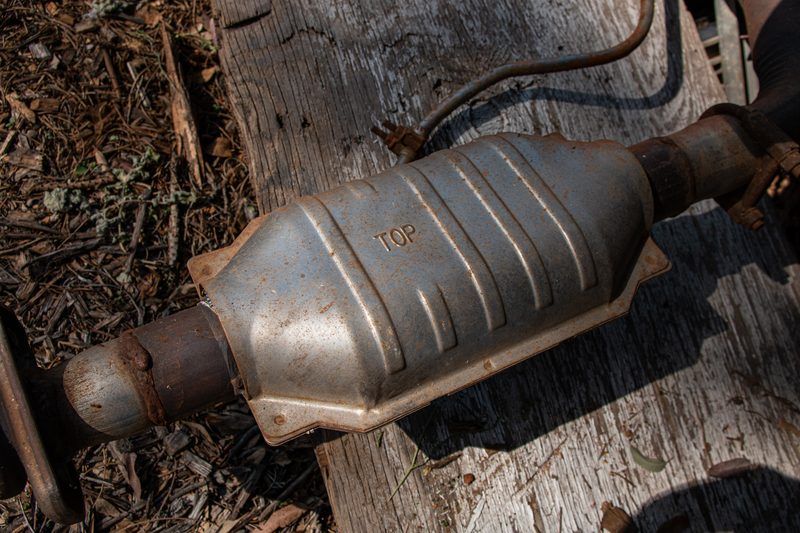
Endless buys catalytic converters at both Auckland yards, specialising in genuine registered OEM (original equipment manufacturer) units. If a converter is not a registered OEM unit, it is an aftermarket converter and we are unable to buy it as a cat, as we cannot be assured of its precious-metal content. We also require the unit whole, still in its housing, so we cannot buy loose ceramic in any form.
Visit either our scrap metal Onehunga yard or our Wairau Valley branch on the North Shore and our team will assess your unit and pay you the same day.
Diesel particulate filters (DPFs) are bought at scrap steel value — they contain very little precious metal, so we don't buy them as cats.
Registered OEM converters only — whole units, never stripped, priced by size not weight.
DPFs bought at scrap steel value. Paid same day.
how catalytic converters are valued
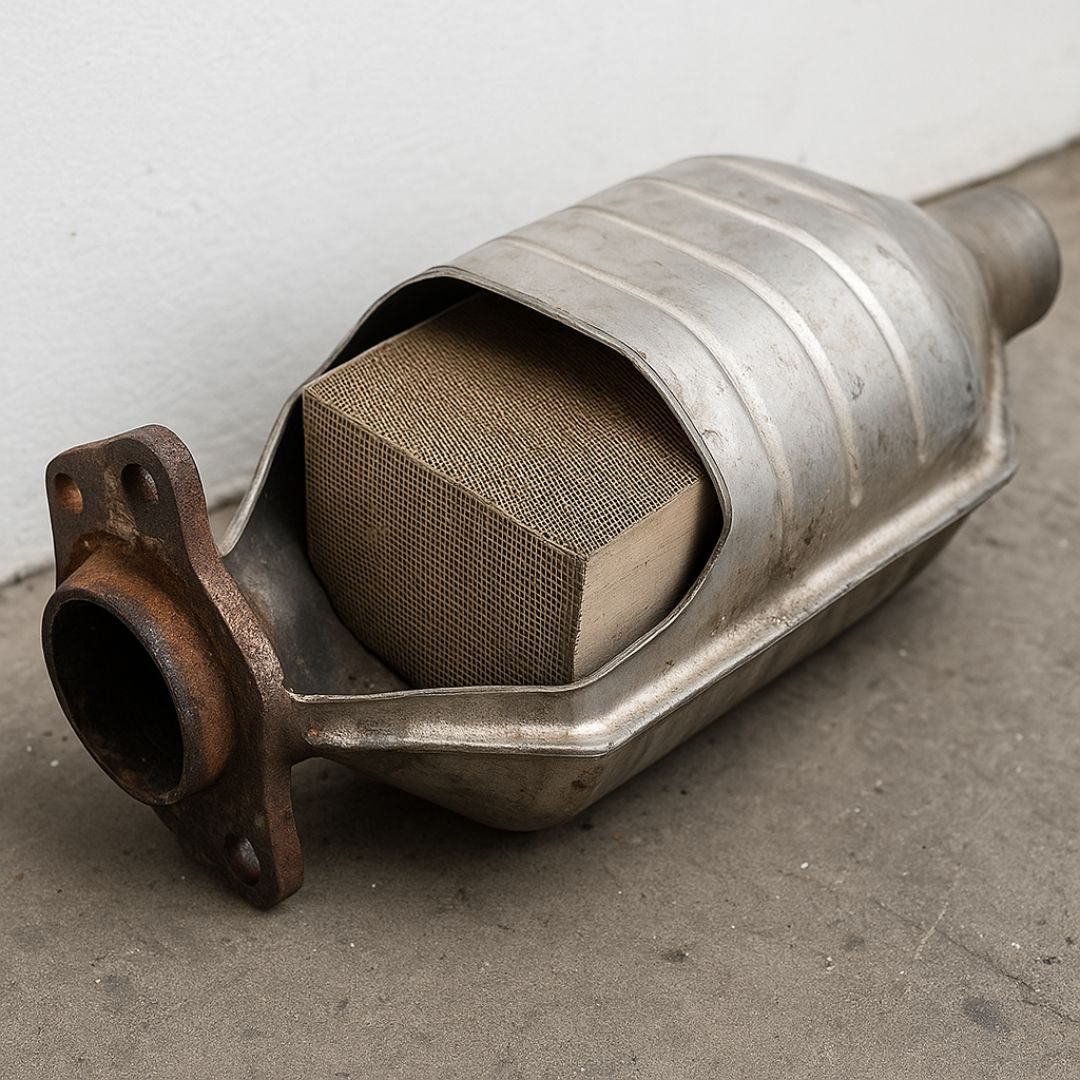
A catalytic converter's value is in the precious-metal coating on its ceramic honeycomb, not its scrap-metal shell. Platinum, palladium and rhodium prices are high and volatile, so two converters that look identical can be worth very different amounts. That is why we first confirm the unit is a genuine registered OEM converter. If it is not, we cannot be assured of its precious-metal content and it is worth only its steel weight. Genuine units are then priced by size, full, half or quarter, as our estimate of the recoverable metal rather than weighed.
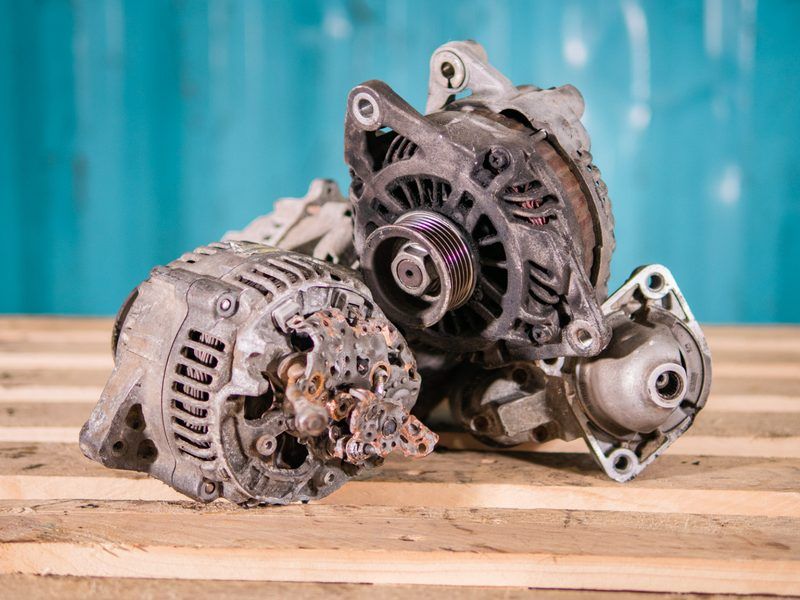
If you are looking to sell scrap electric motors NZ or other automotive components alongside your converters, our team can grade your entire load on arrival.
 SiteWise Gold certified
 Toitū carbon reduce certified
 AMR & ReMA member
 Licensed secondhand dealer
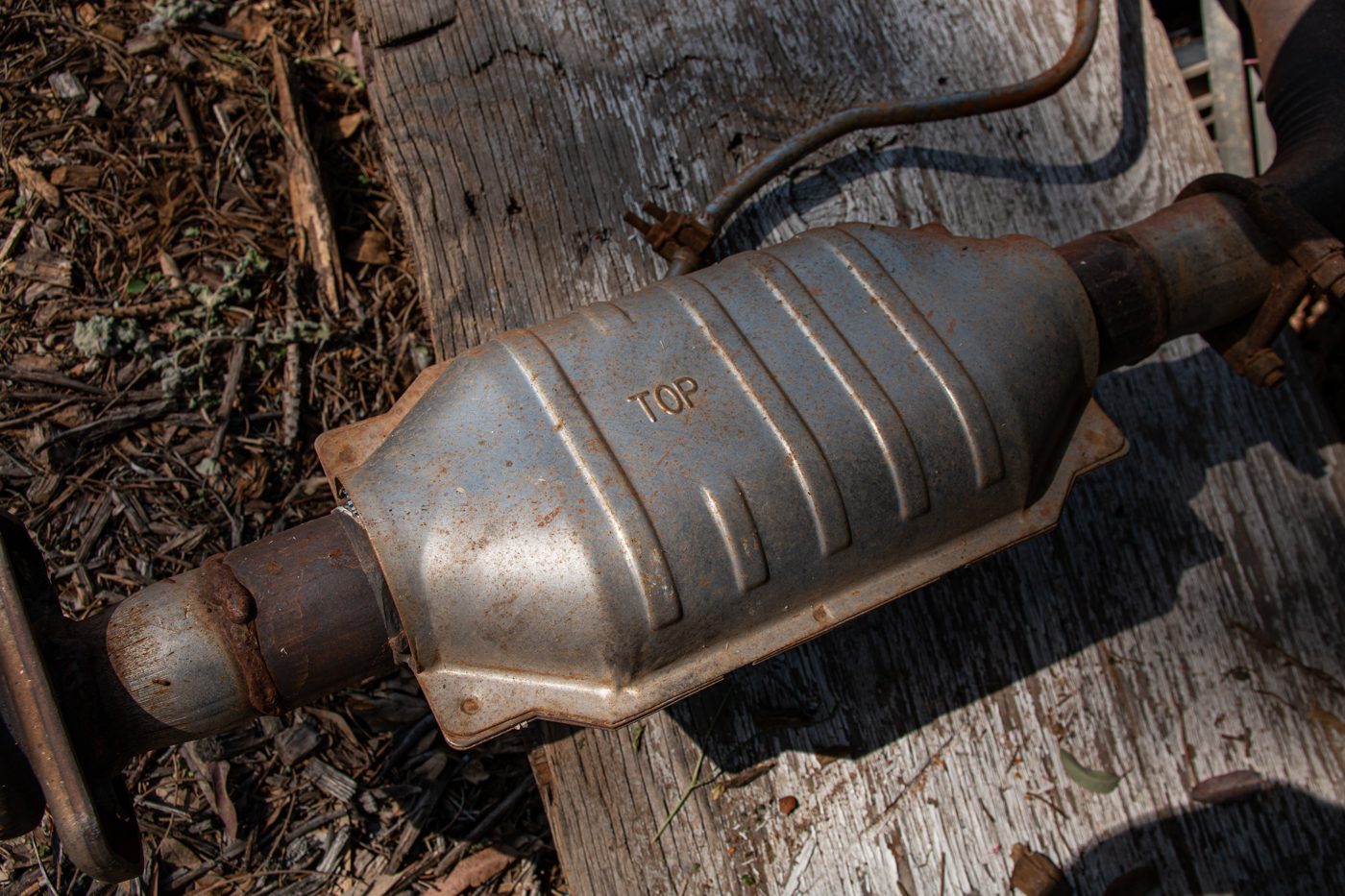
Cat Full — Full-Size Catalytic Converter
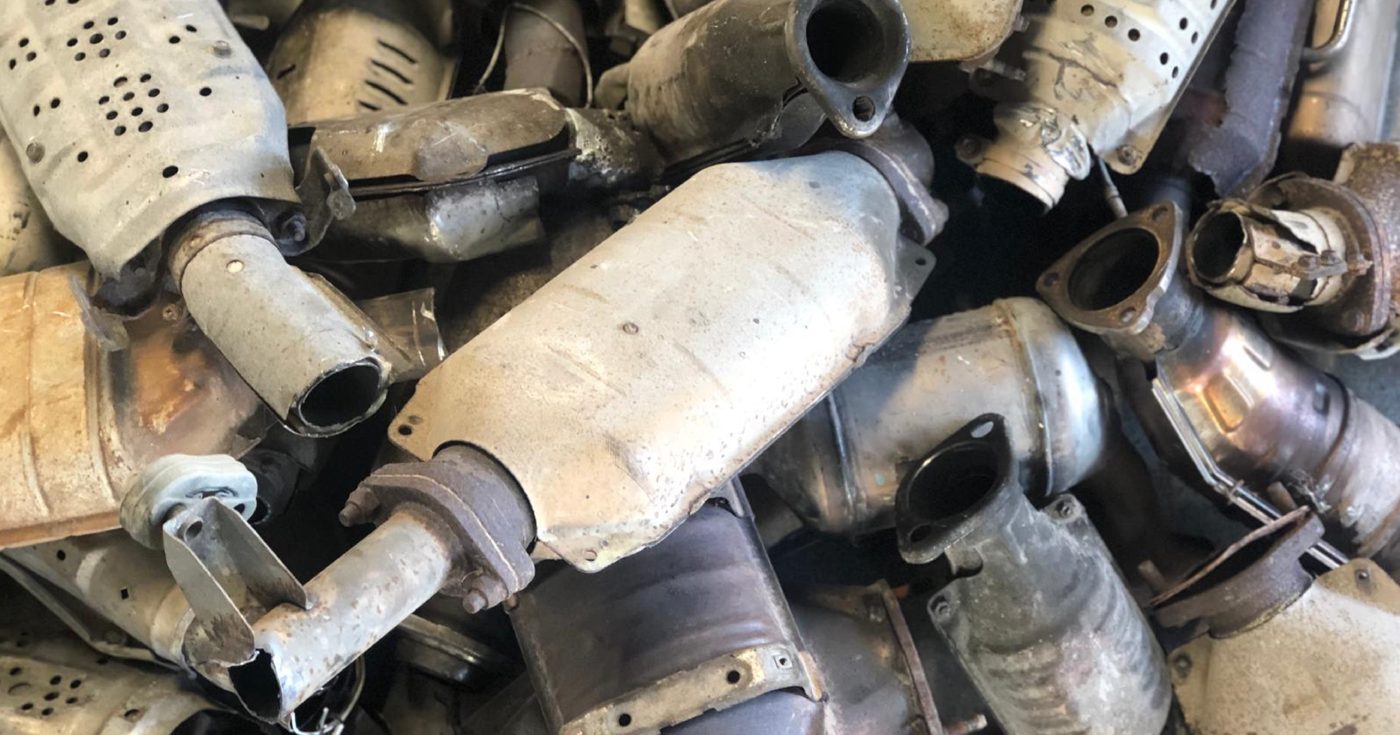
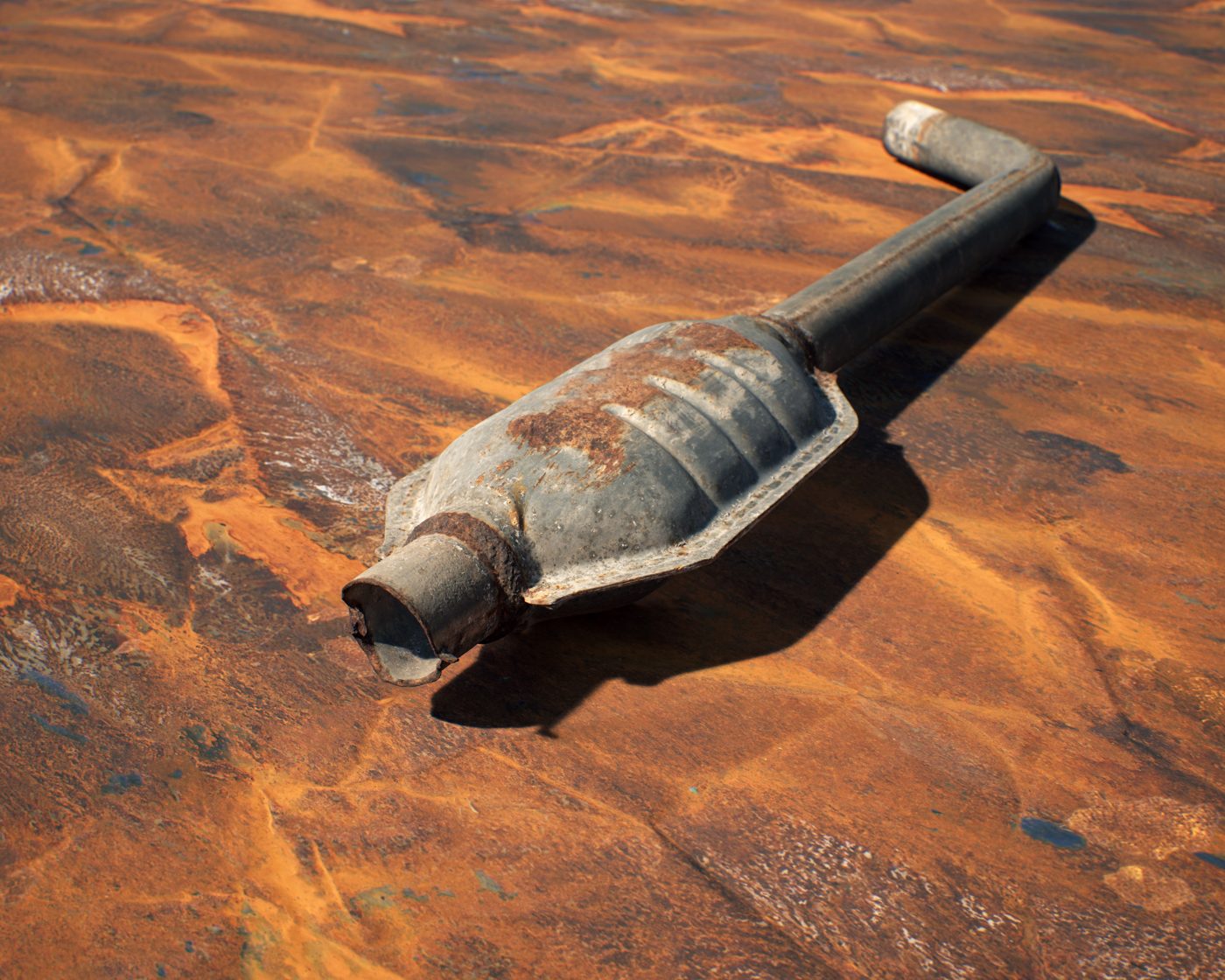
cat full
conditions
- registered OEM converter
- whole unit
- ceramic intact
- full-size body
- estimated size: 16–35cm
- no contamination:
- unregistered / aftermarket (steel value only)
- gutted / empty shell
examples
- most cars, utes & SUVs
- larger petrol cats
Cat Half — Half-Size Catalytic Converter
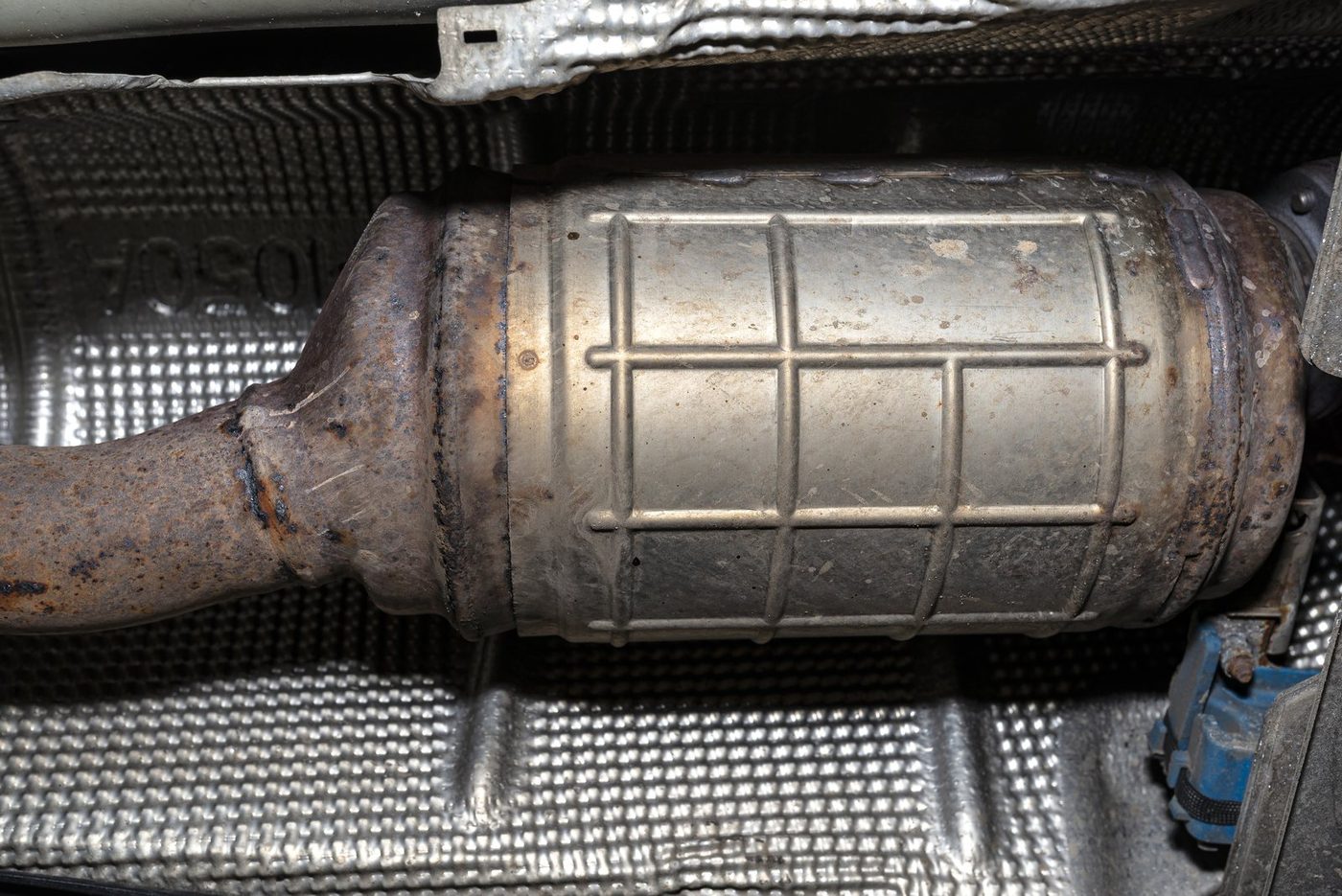
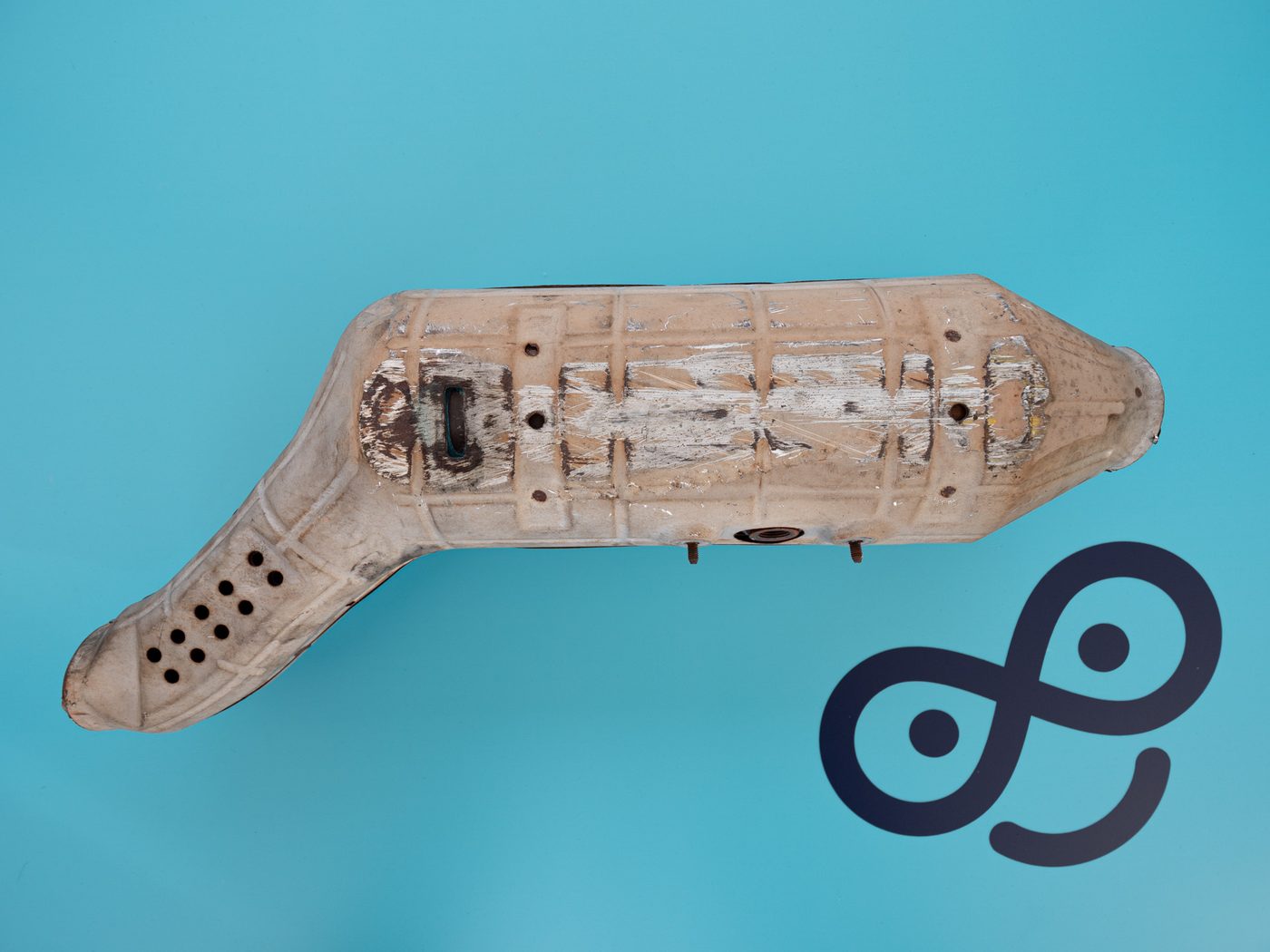
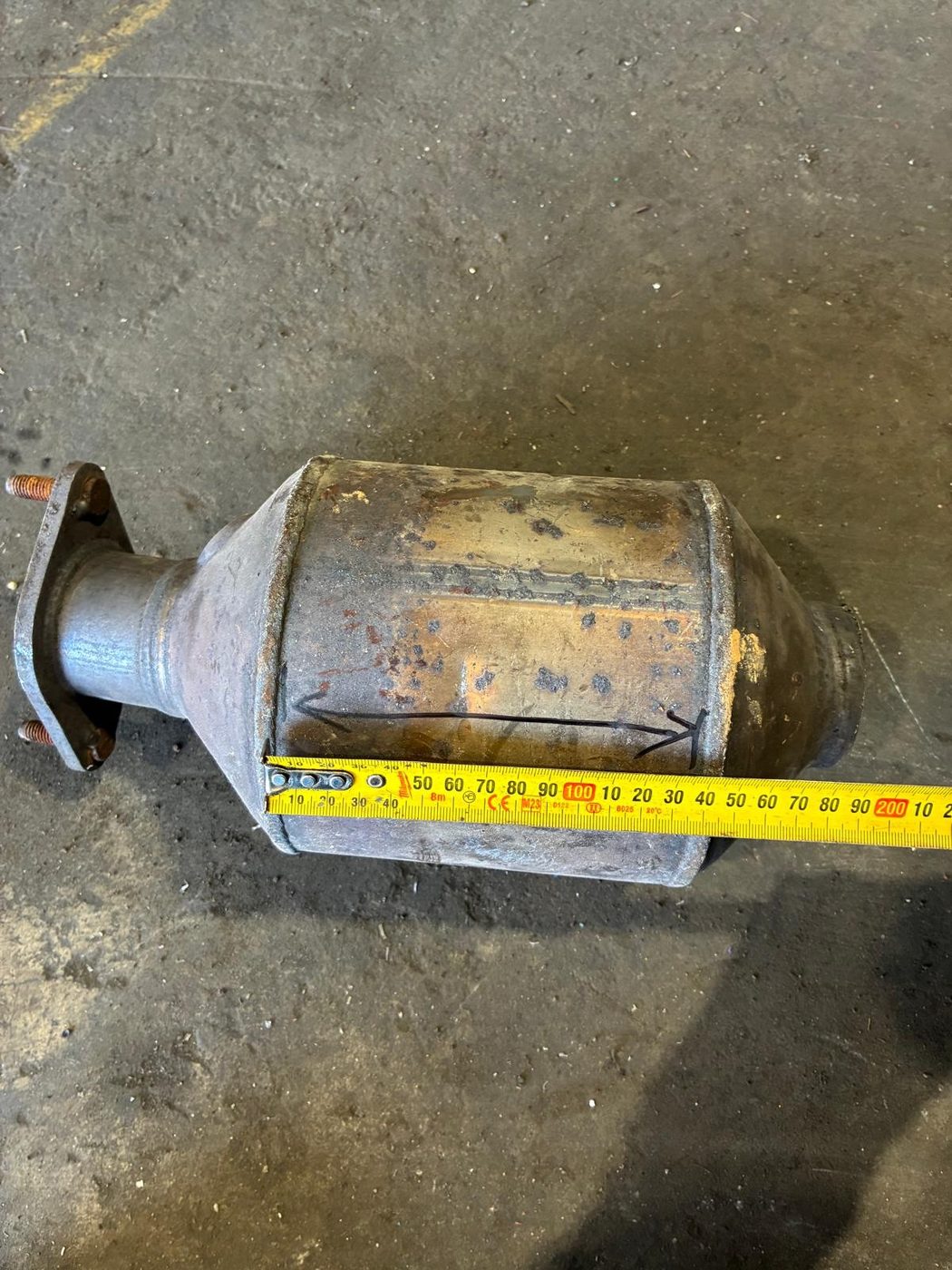
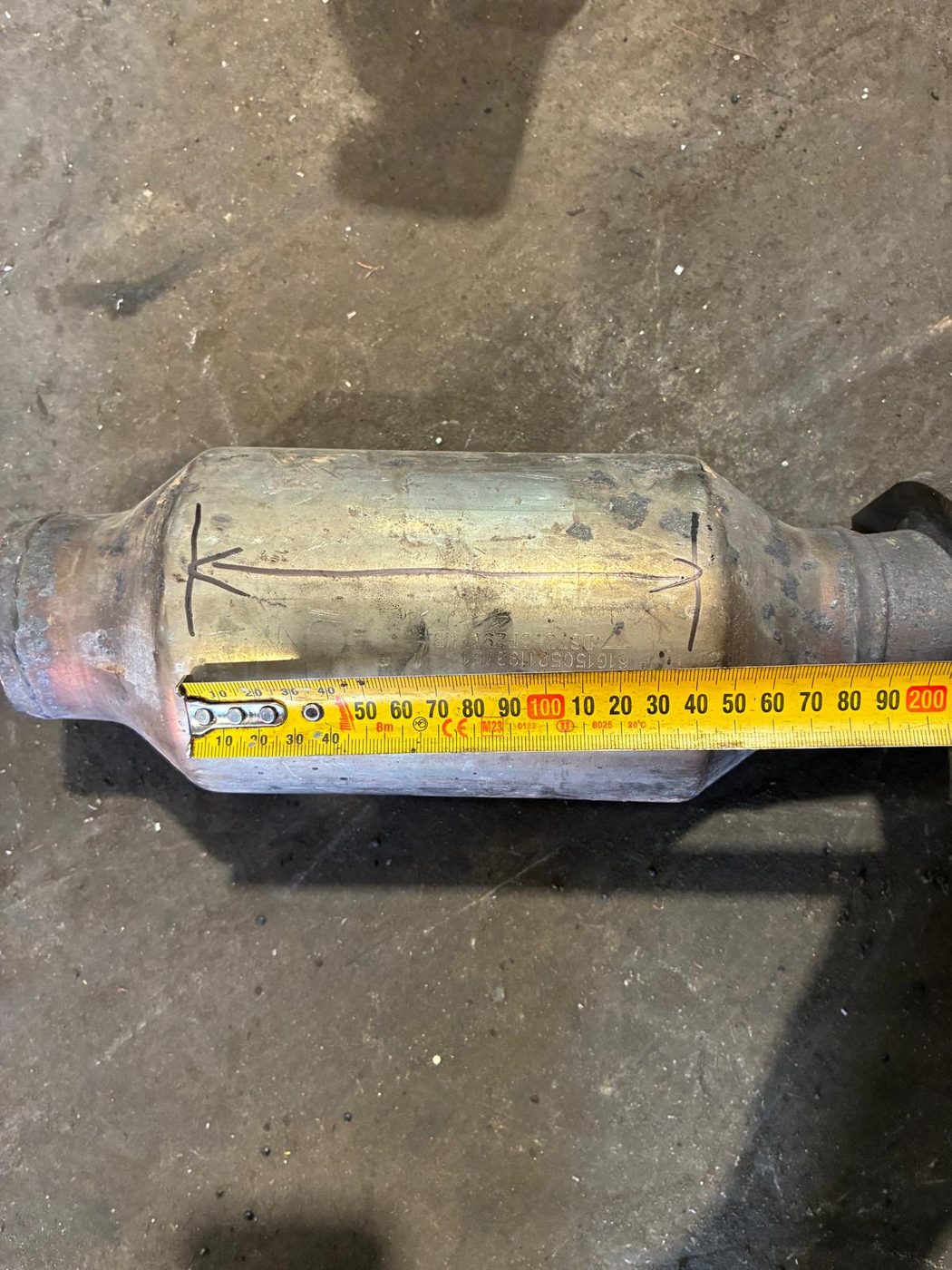
cat half
conditions
- registered OEM converter
- whole unit
- ceramic intact
- roughly half a full-size cat
- estimated size: 11–15cm
- no contamination:
- unregistered / aftermarket (steel value only)
- gutted / empty shell
examples
- small & compact cars
- mid-size units
Cat Quarter — Quarter-Size Catalytic Converter
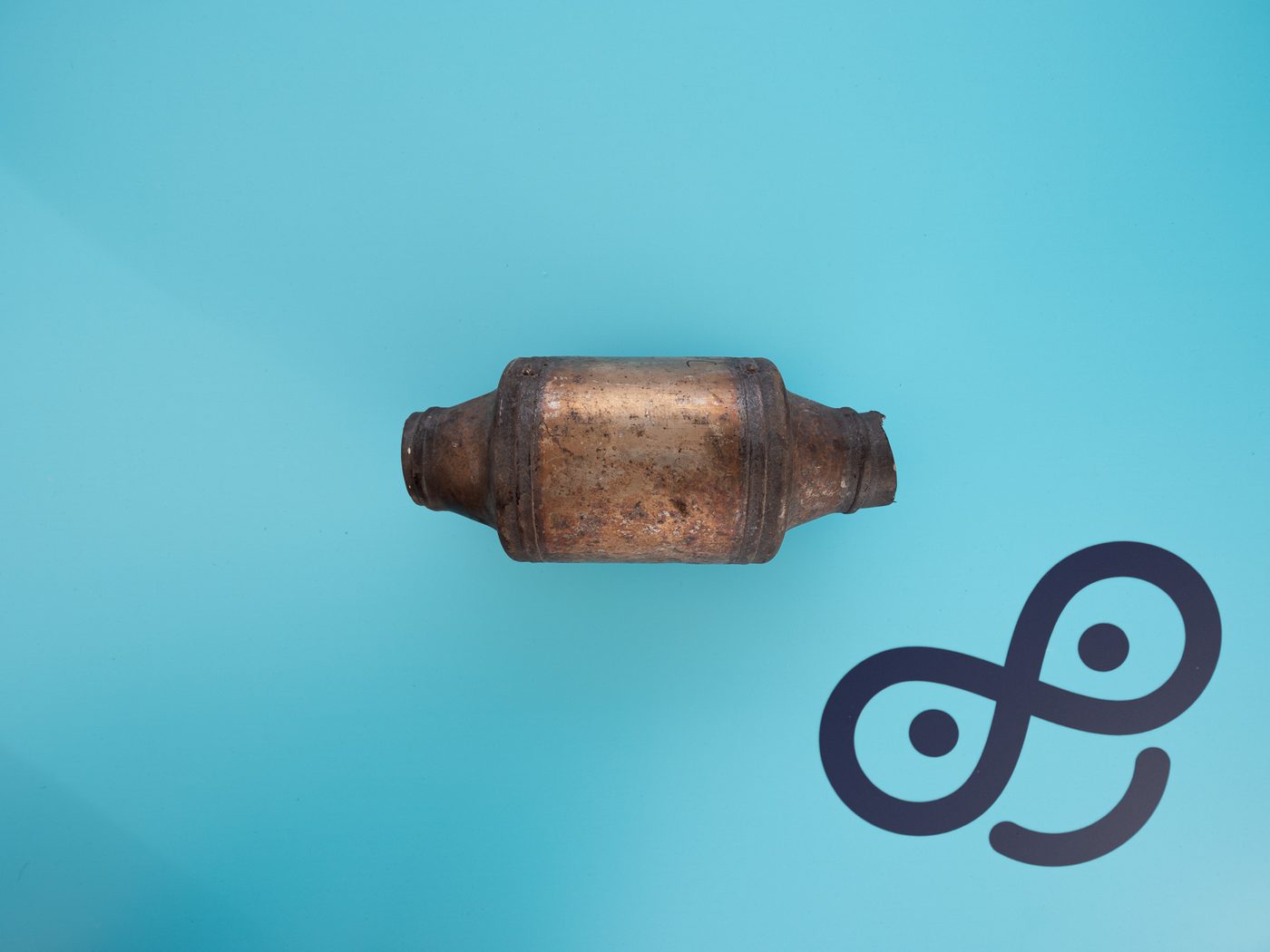
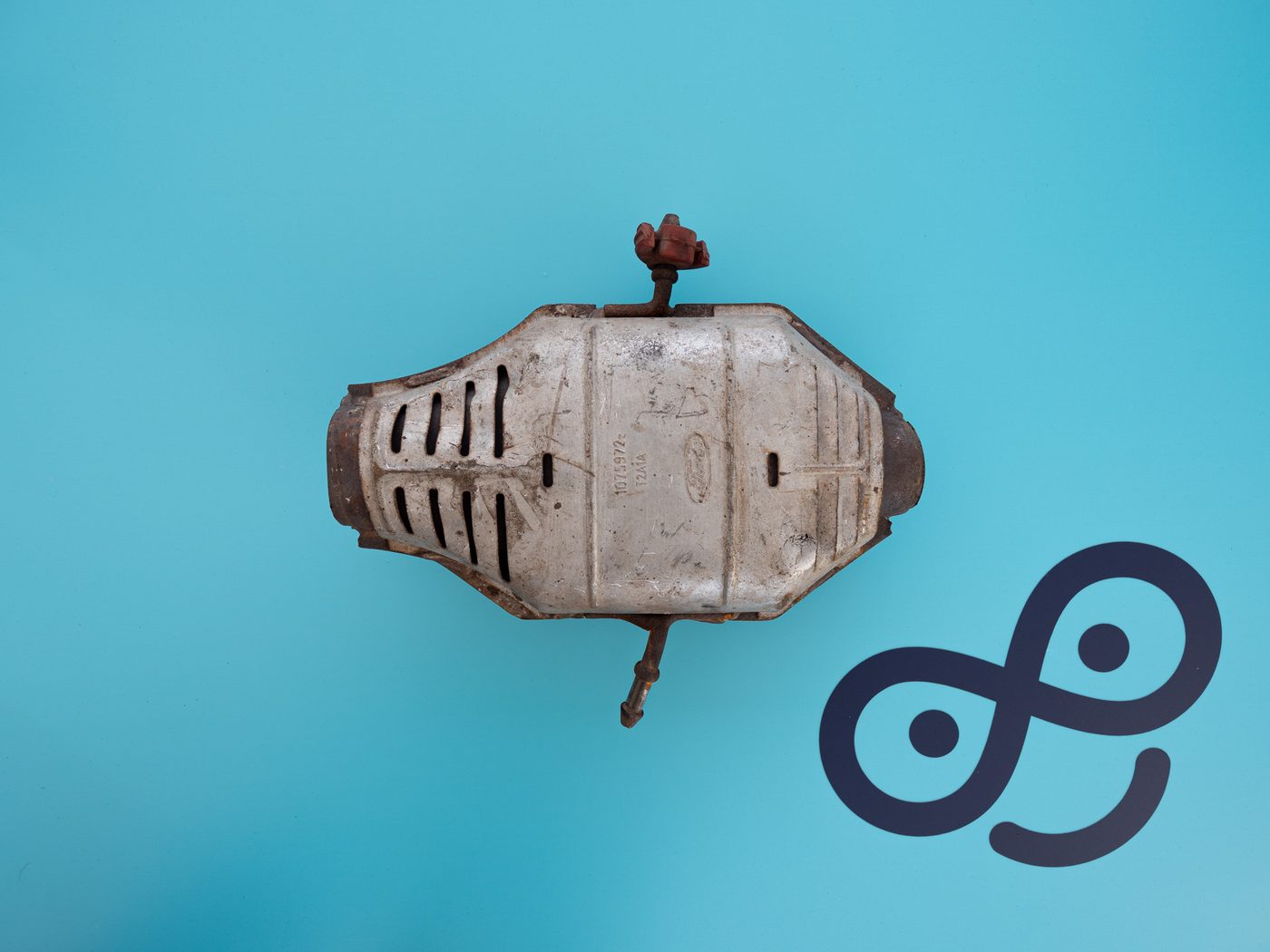
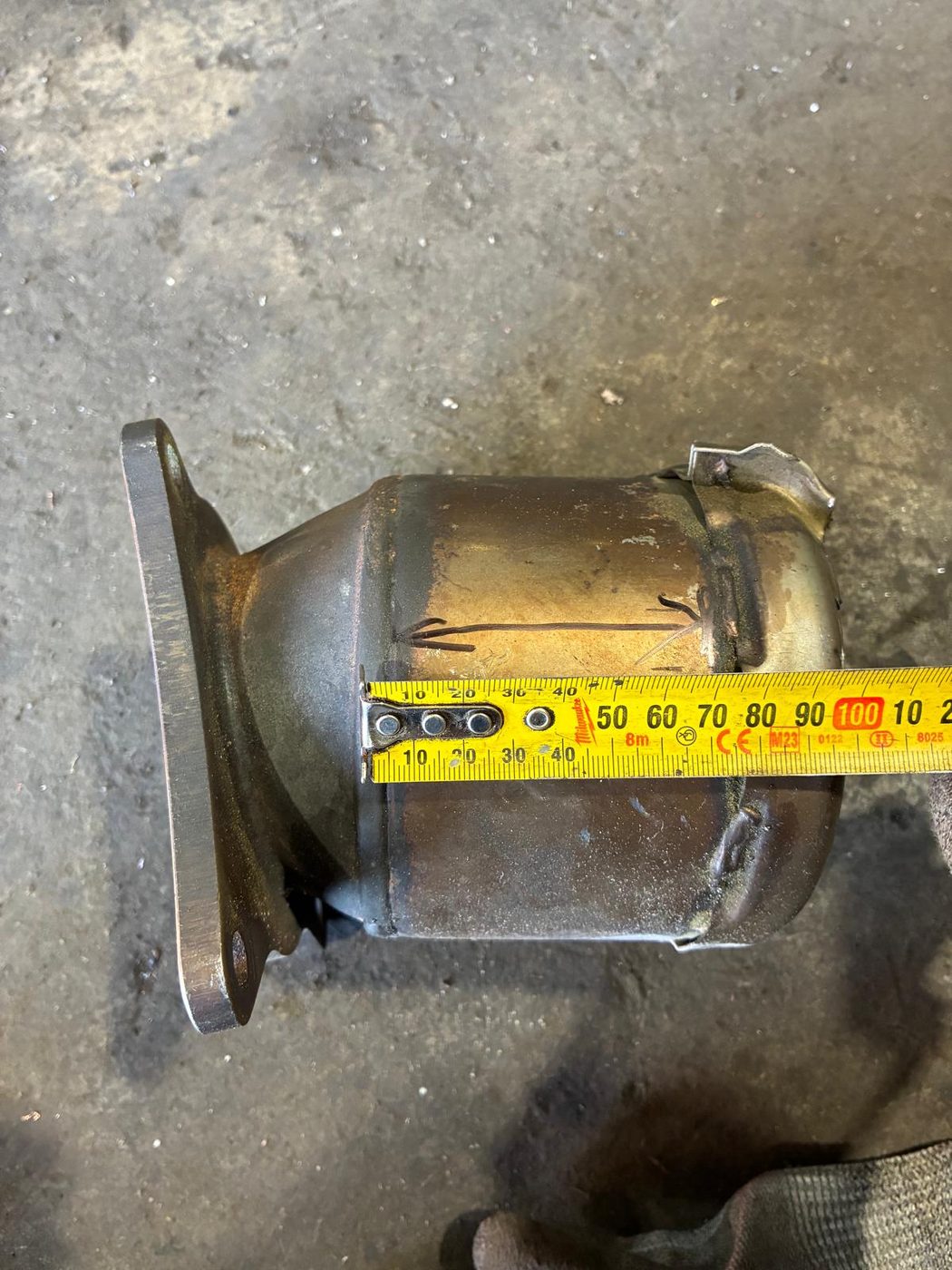
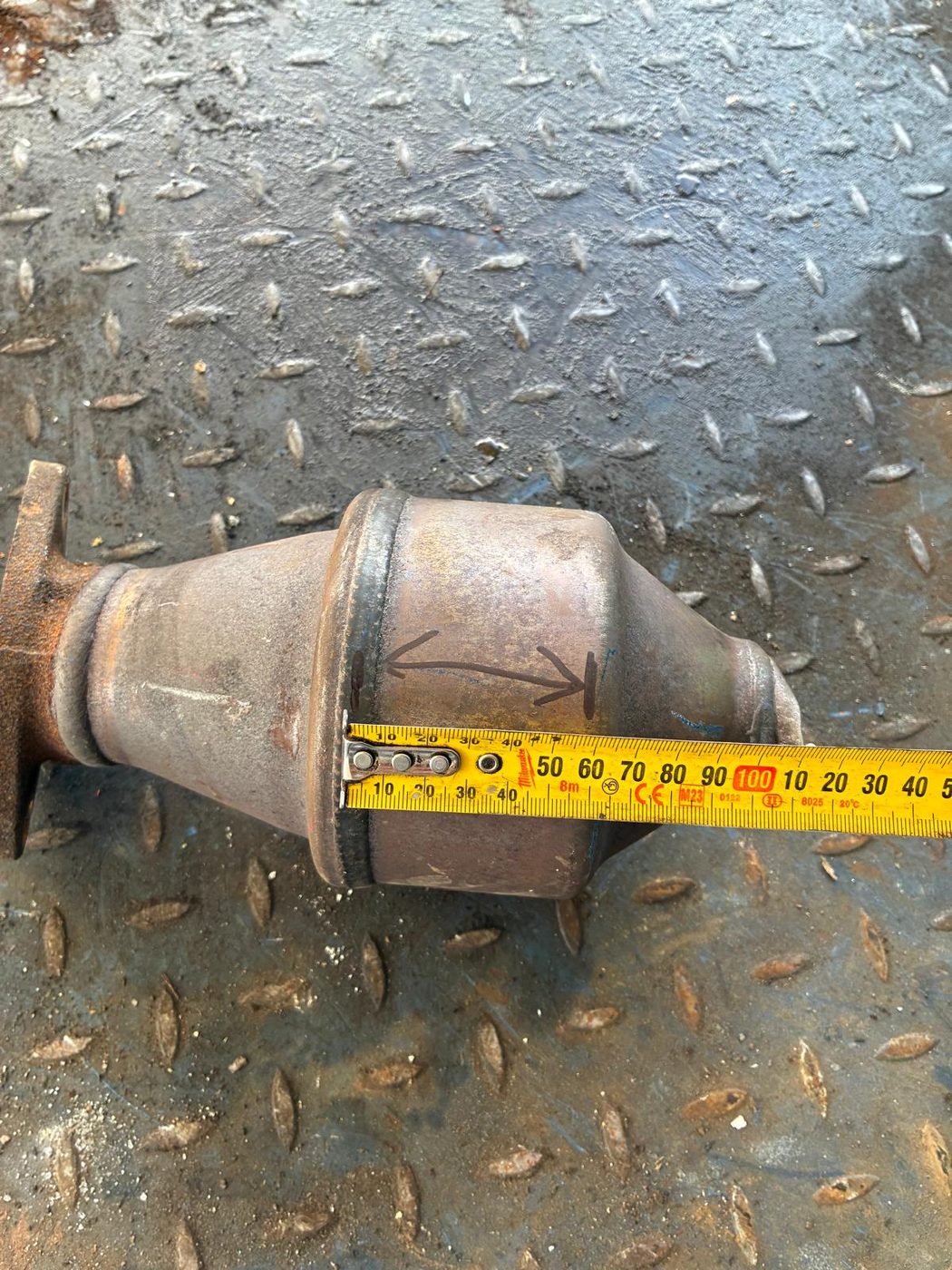
cat quarter
conditions
- registered OEM converter
- whole unit
- ceramic intact
- small / quarter-size body
- estimated size: 5–10cm
- no contamination:
- unregistered / aftermarket (steel value only)
- gutted / empty shell
examples
- pre-cats & mini cats
- manifold / secondary cats
got converters to sell?
get an assessmentDiesel Particulate Filter (DPF)
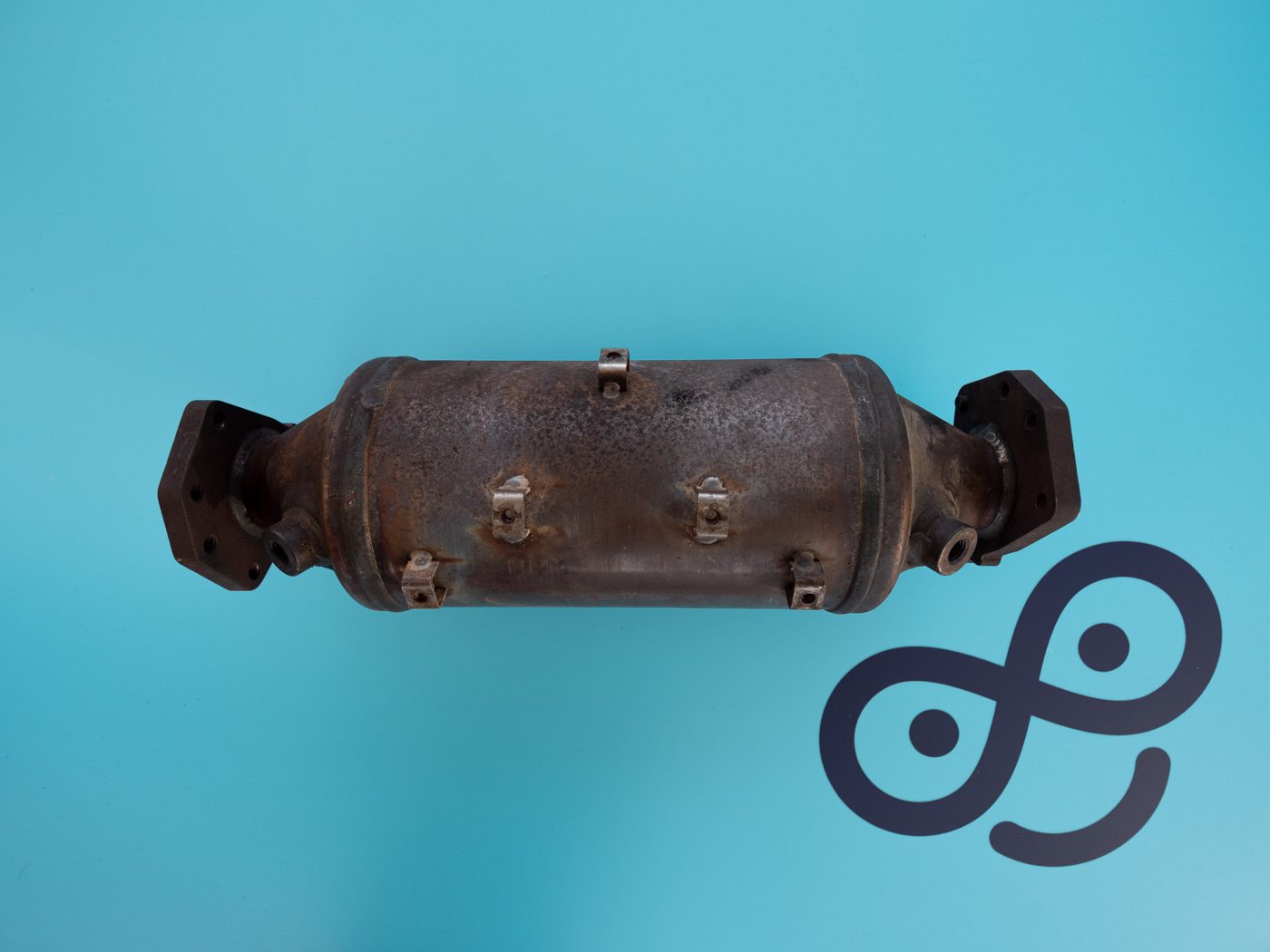
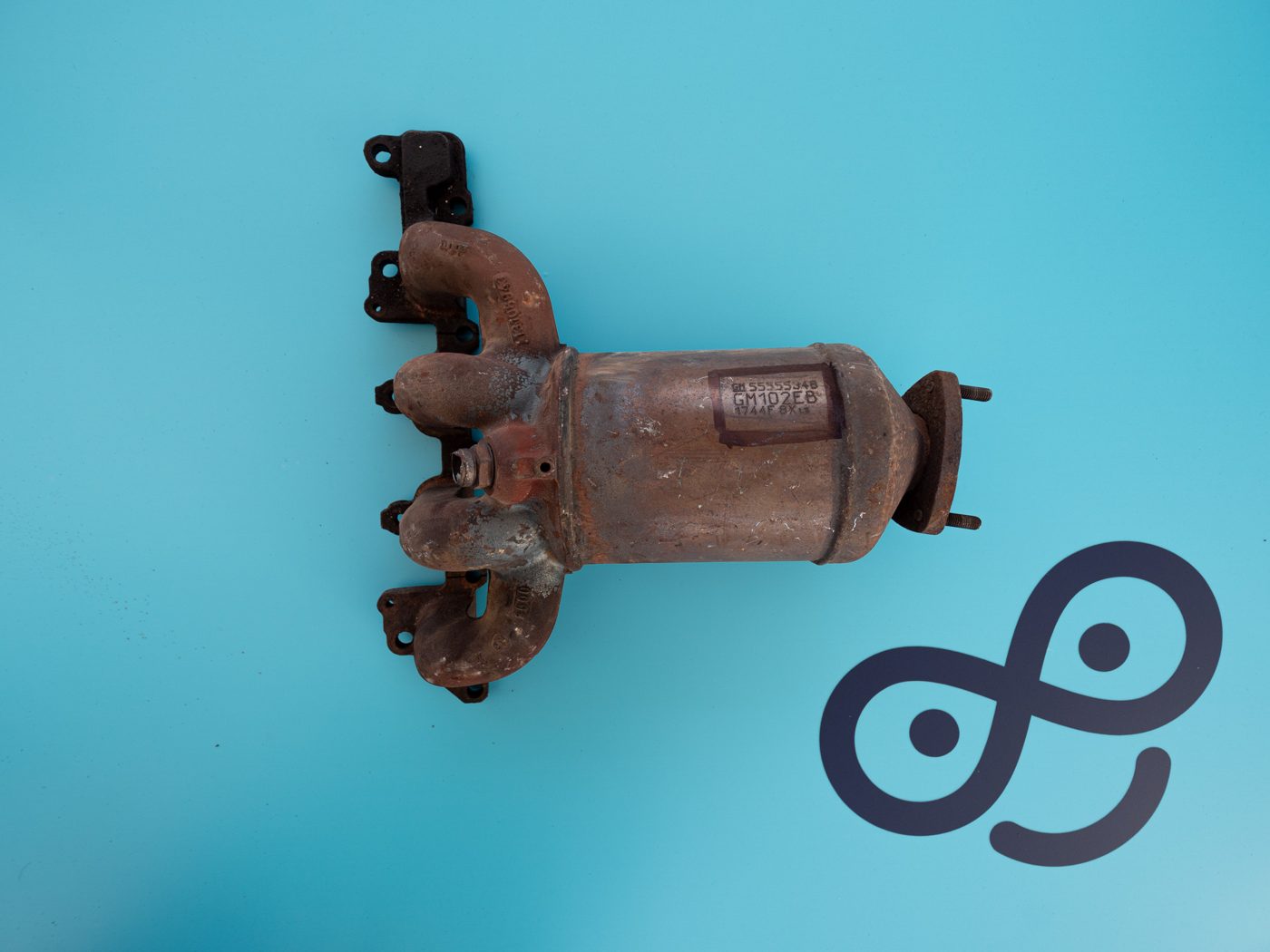
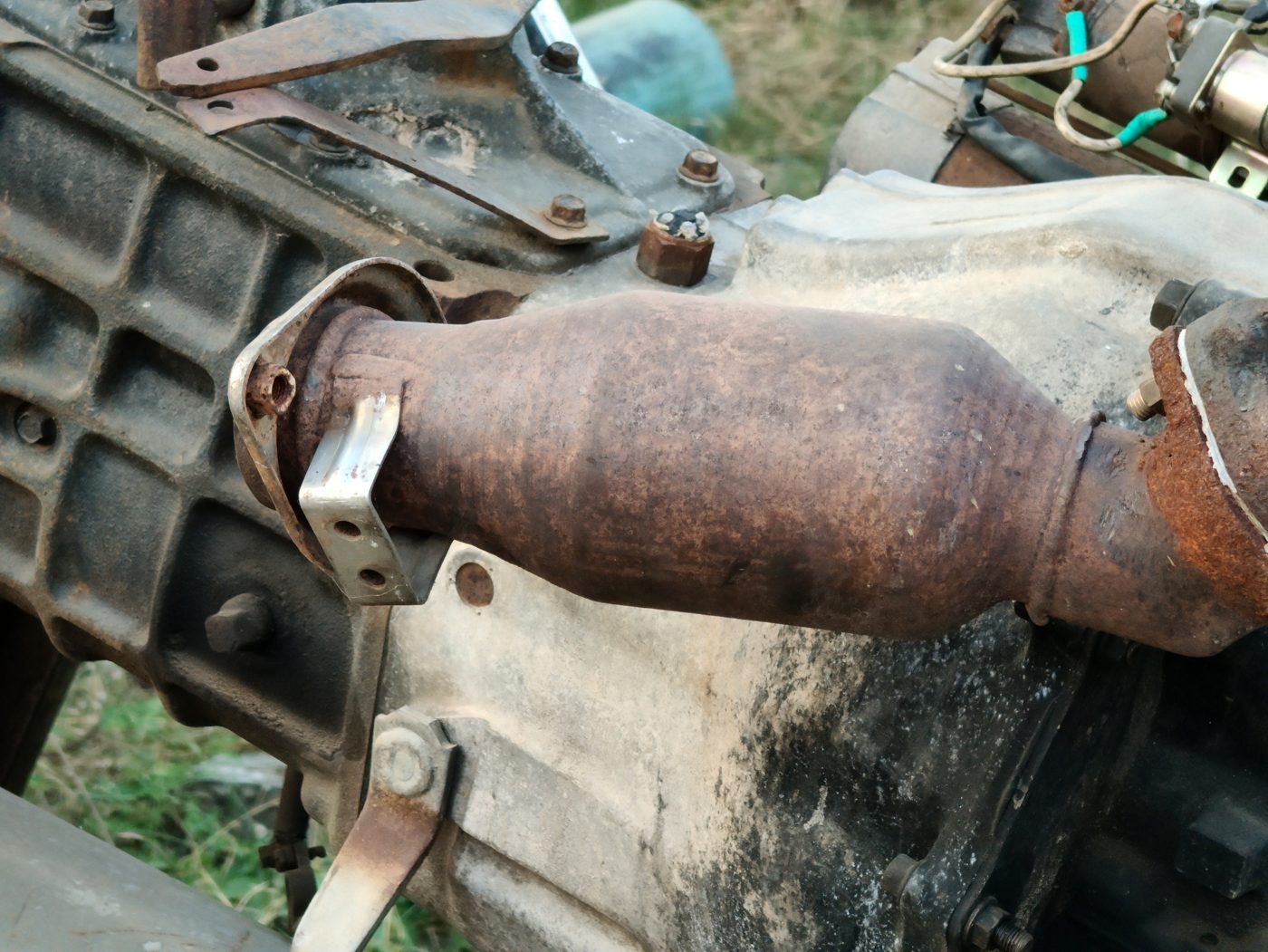
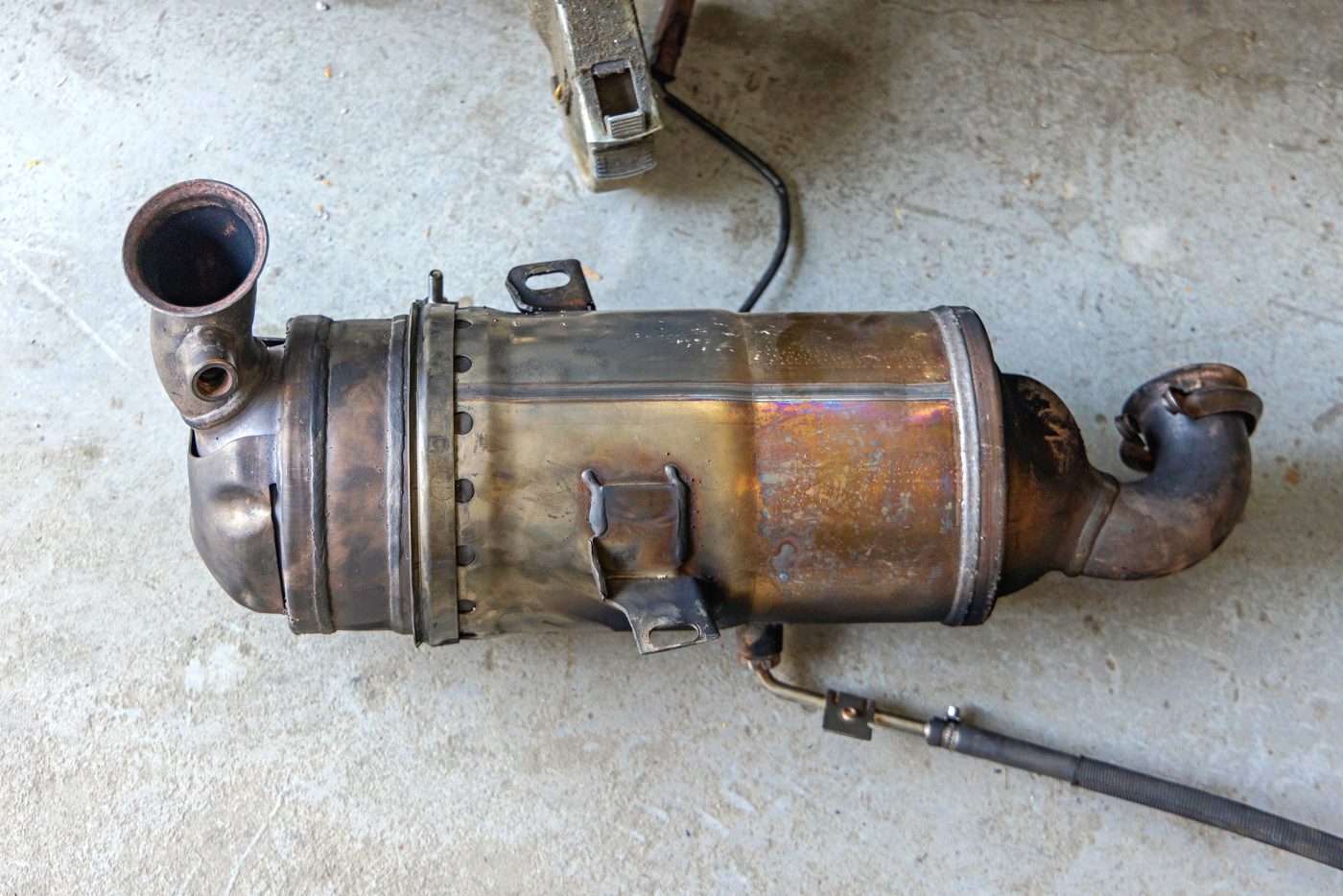
dpf
conditions
- whole diesel particulate filter
- bought at scrap steel value
- from diesel vehicles
examples
- diesel utes & vans
- DPF units
- SCR units
still not sure what you've got?
Send us a photo of the converter and the serial/part number stamped on it, and we'll give you an indication of value. Every unit is assessed individually — no obligation.
the recycling process
how catalytic converters are recycled
The precious metals inside a catalytic converter are recovered through specialist refining, not melting in a scrap furnace. Here's what happens to your converter once we've assessed it.
1
individual assessment
Each converter is identified by type, vehicle, and serial reference, and checked to confirm the ceramic monolith is intact. This determines its value — not its weight.
2
custody & export
Every converter is recorded and held in secure custody, then shipped offshore to specialist processors — recovery and refining happen overseas, not in New Zealand.
3
decanning & sampling
Units are processed so the precious-metal-bearing ceramic can be recovered and sampled for its platinum, palladium, and rhodium content.
4
PGM refining
The recovered material goes to specialist refiners who extract the platinum-group metals for reuse in new converters and industry.
maximise your return
how to prepare your converter
Catalytic converter value depends on keeping the unit whole and intact. Here's how to protect your payout.
- Keep it whole: don't smash or empty the converter. The ceramic honeycomb inside is where the value is — a gutted shell is worth almost nothing.
- Keep the serial / part number: the stamped number helps us identify the exact unit and value it accurately. Photograph it if you can.
- Cut, don't crush: if removing from a vehicle, cut the pipe rather than crushing the body.
- Keep diesel DPFs separate: we buy DPFs at scrap steel value, not as cats — don't mix them with your converters.
- Bring photo ID: as a licensed secondhand dealer we record converter transactions, so bring photo ID when you sell.
Pro tip: If you regularly handle converters as an auto dismantler, mechanic, or commercial wrecker, talk to our team about a consistent buying arrangement. We offer comprehensive commercial factory scrap management solutions, including secure, documented transactions for high-value components.
sustainability
why recycle catalytic converters
Recovering platinum, palladium, and rhodium from end-of-life converters means less destructive mining of some of the rarest metals on earth. Recycling one converter recovers metals that would otherwise need tonnes of ore.
3
precious metals recovered
Platinum, palladium, and rhodium — three of the rarest and most valuable industrial metals — are recovered from every viable converter.
∞
endlessly reusable
Platinum-group metals don't degrade. Recovered PGMs go straight back into new converters and industrial catalysts.
Pt · Pd · Rh
back into industry
Every gram of platinum, palladium and rhodium we recover goes back into new converters and catalysts — none of these rare metals is wasted.
By choosing catalytic converter recycling with endless, you help reduce the environmental impact of primary mining while keeping valuable platinum-group metals moving in a circular economy.
what we pay
pricing
Catalytic converter prices follow the platinum, palladium, and rhodium markets, which move daily and can swing sharply. Because value depends on the specific unit, we quote each converter individually rather than publishing a per-kilo rate.
registered OEM & size
We buy genuine registered OEM converters only, priced by size — full, half or quarter. Unregistered or aftermarket units carry no assured precious metal and are worth only their steel weight.
PGM market prices
Platinum, palladium, and rhodium are priced globally in USD and move daily. Rhodium in particular can be extremely volatile.
condition & completeness
A whole unit with intact ceramic is worth full value. A gutted, smashed, or empty shell is worth little more than scrap steel.
NZD/USD exchange rate
PGMs are priced in USD, so a weaker New Zealand dollar lifts local converter prices.
For an individual assessment, bring your converter into your nearest yard or send us a photo of the unit and its serial number. Visit our pricing or location pages for metal recycling in Auckland at Onehunga or Wairau, or call our team directly on 0800 44 88 99. Every converter is quoted individually with no obligation.
still have questions?
Find what you’re looking for in the FAQs below.
First, it must be a genuine registered OEM converter — if it isn't, we can't be assured of its precious-metal content and it's worth only its steel weight. For registered units we don't buy by weight; we price by size — full, half or quarter — as an estimate of the recoverable platinum, palladium and rhodium inside. Bring it in, or send a photo of the unit and its serial/part number, and call 0800 44 88 99 for an assessment.
Even within one brand, value varies by the exact model and converter type, because each carries a different precious-metal loading. That's why we identify the specific unit by its serial or part number rather than quoting a generic price.
Because the value is in the thin platinum, palladium and rhodium coating on the ceramic honeycomb, not the steel shell. Two converters that weigh the same can be worth very different amounts, so weight-based pricing would short-change you.
They contain platinum-group metals that are extremely valuable, which makes them a theft target. As a licensed secondhand dealer we record every converter transaction and require photo ID, which helps deter and trace stolen units.
No — never. A gutted or smashed converter loses almost all its value, because the precious metals are in the ceramic you'd be removing. Keep the unit whole and intact.
Yes, but not as a cat. DPFs contain very little precious metal, so we buy them at scrap steel value rather than pricing them by size like a catalytic converter. Bring them in whole and we'll weigh them in with your steel.
Only genuine registered OEM converters can be bought as cats. Many aftermarket converters contain little or no platinum, palladium or rhodium, so without a registered OEM reference we can't be assured of the precious-metal content — those are only worth their steel weight.
Two things: the precious-metal loading designed into that converter type, and the current global prices of platinum, palladium and rhodium — which move daily, with rhodium especially volatile.
Yes. As a licensed secondhand dealer we record converter transactions and ask for photo ID. This is standard practice and helps keep stolen units out of the supply chain.
Both yards — Onehunga and Wairau Valley — assess converters individually. Bring the unit in, or send a photo of it and the serial number first for an indication of value.
Yes. The platinum, palladium and rhodium are recovered by specialist refiners and returned to new converters and industrial catalysts — none of these rare metals is wasted.
ready to sell your converter?
call us, email us, or drop into either yard. We grade on the spot and pay same day.