
© 2026 Endless Holdings Limited® · Licensed Secondhand Dealer · Web Development by Graphic Detail NZ Ltd.
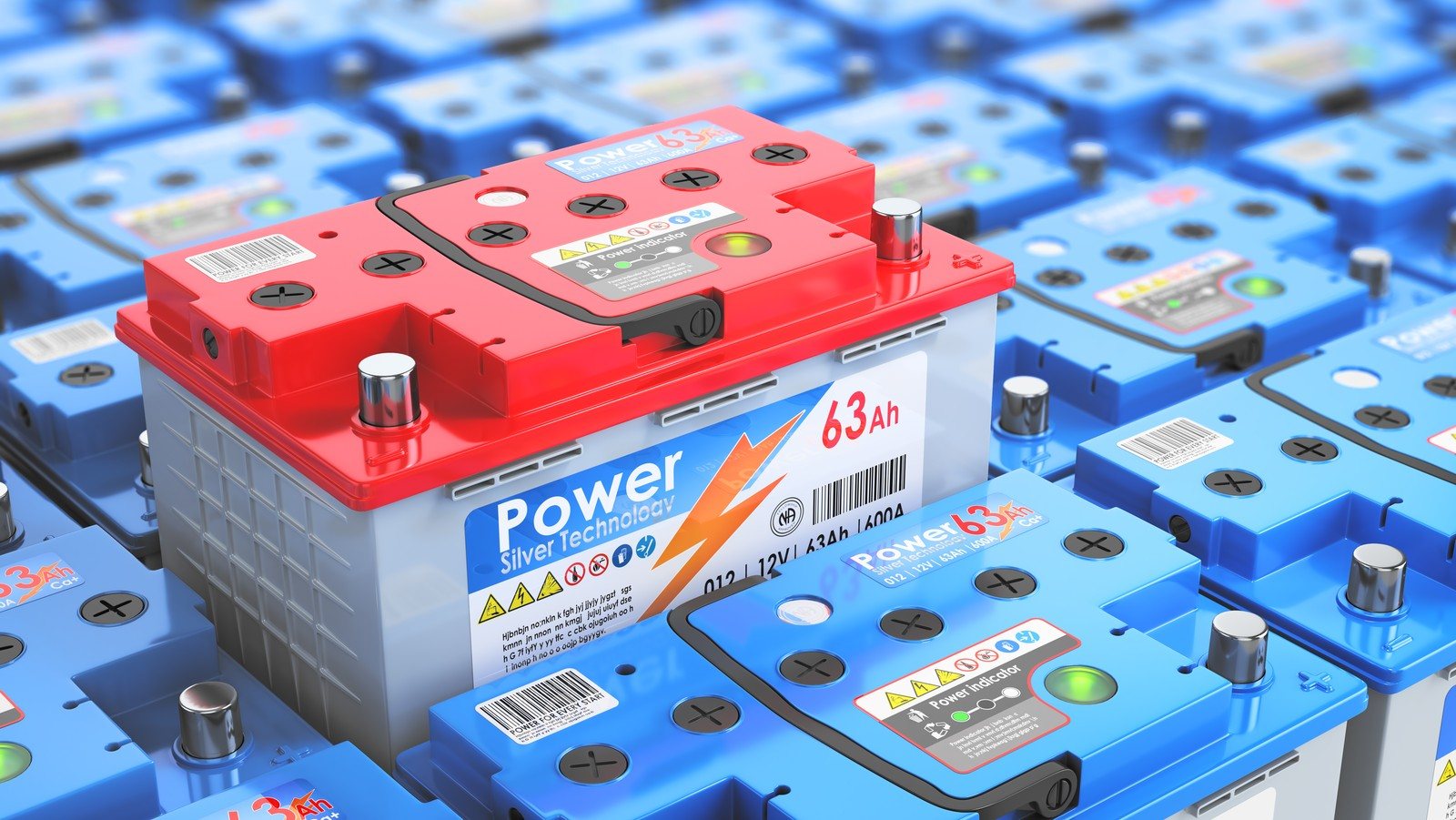
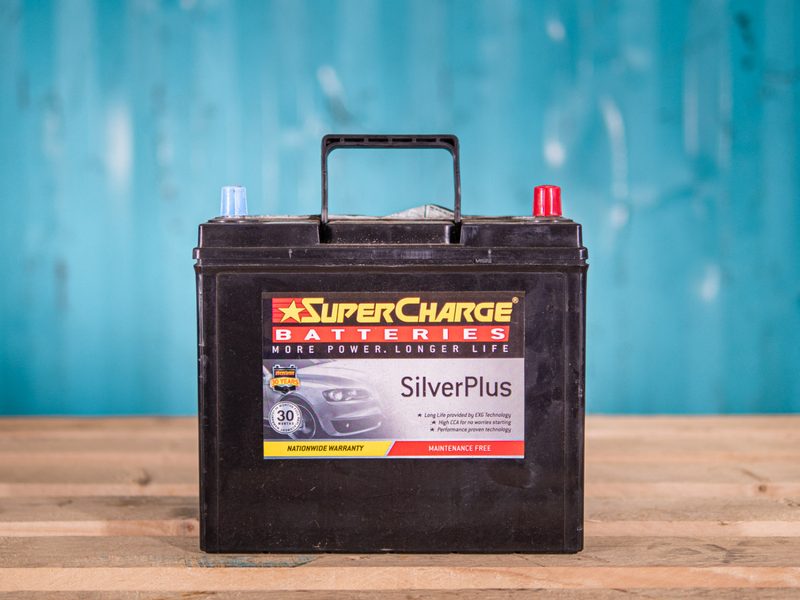
Endless accepts all lead-based batteries at both Auckland yards. Whether you have a single car battery, a pallet of truck batteries from your workshop, or sealed AGM units from a UPS rack, we take them all. We grade your batteries on the spot and pay you the same day, six days a week, with no appointment needed. Visit either our scrap metal Onehunga yard or our Wairau Valley branch on the North Shore, and our team will take you through exactly how your car battery scrap value is calculated.
Lead-based batteries only. Graded on the spot. Paid same day.
what makes old batteries valuable?
Lead-based batteries are valuable because of the lead inside. Every lead-based battery contains lead plates and lead compounds that can be recycled and reused. Whether it is a wet lead-acid battery, a sealed AGM or gel unit, or a steel-encased industrial battery, the lead content determines your scrap battery prices. We accept all lead-based batteries. We do not accept lithium, nickel-cadmium, or nickel-metal-hydride batteries under any circumstances, as they pose a severe fire and safety risk.
 SiteWise Gold certified
 Toitū carbon reduce certified
 AMR & ReMA member
 Licensed secondhand dealer
know your batteries
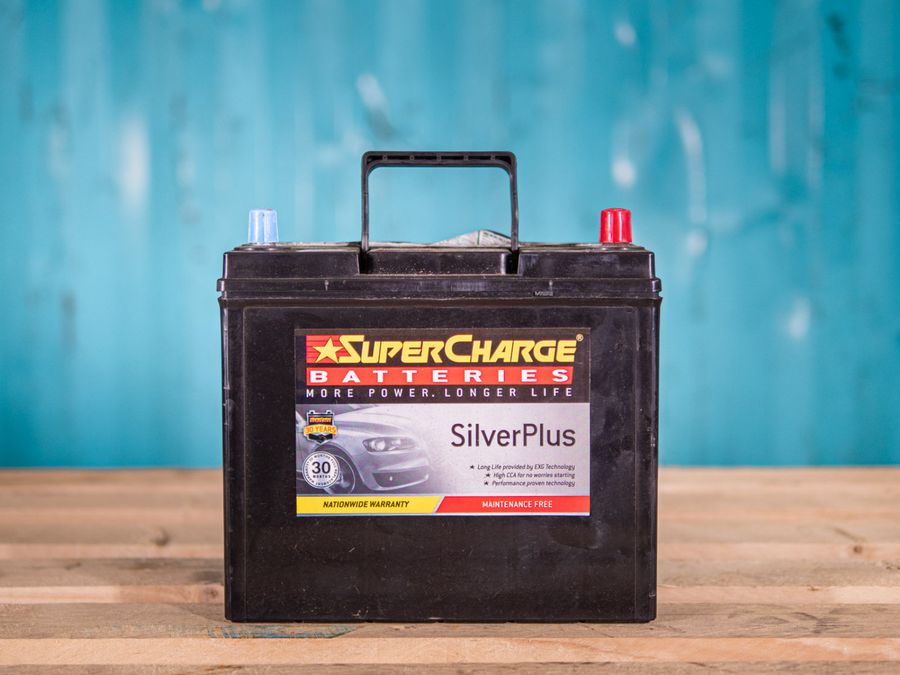
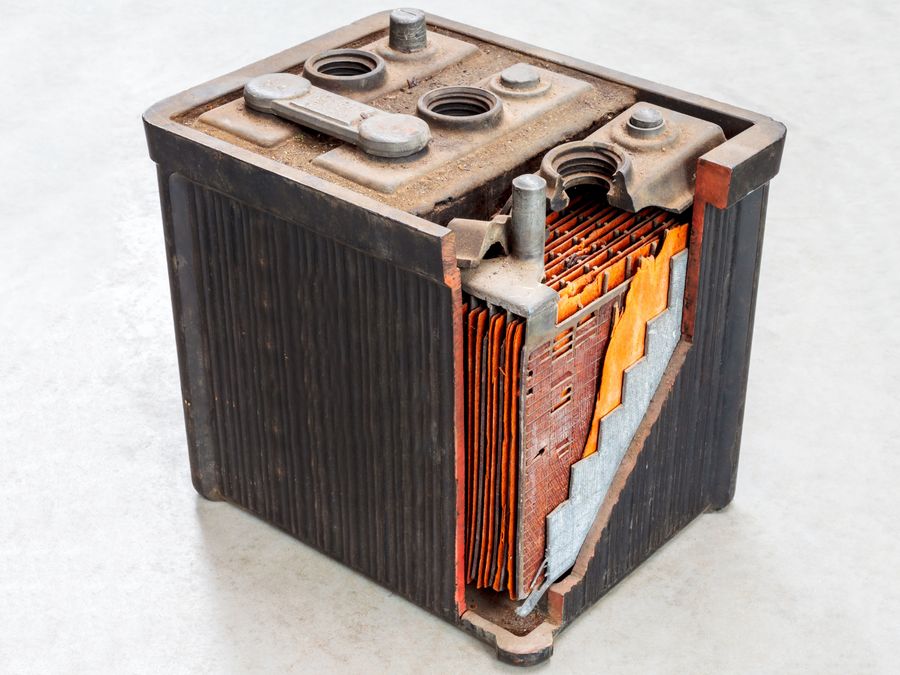
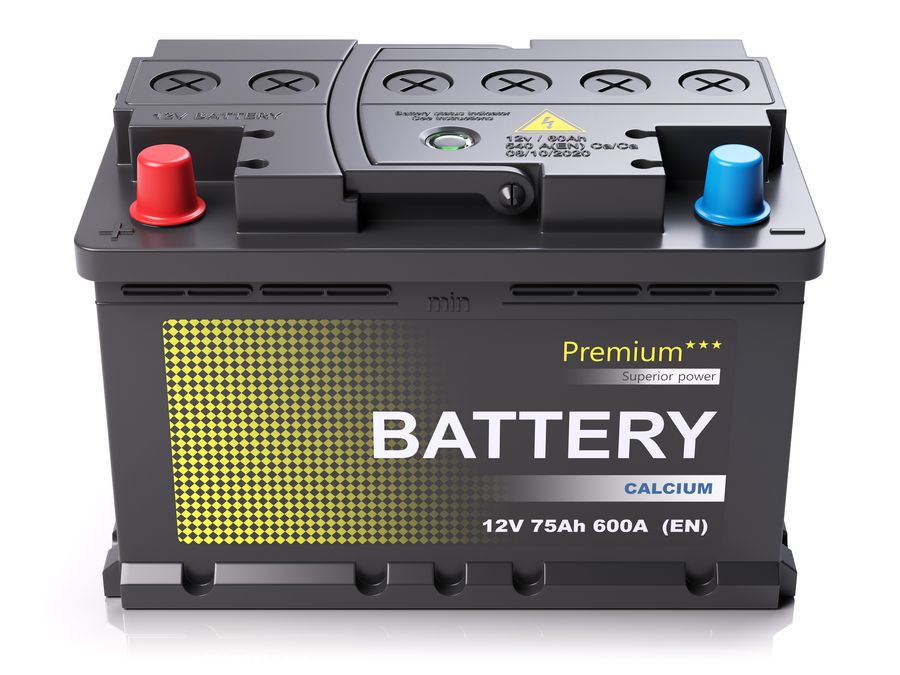
lead-acid auto batteries
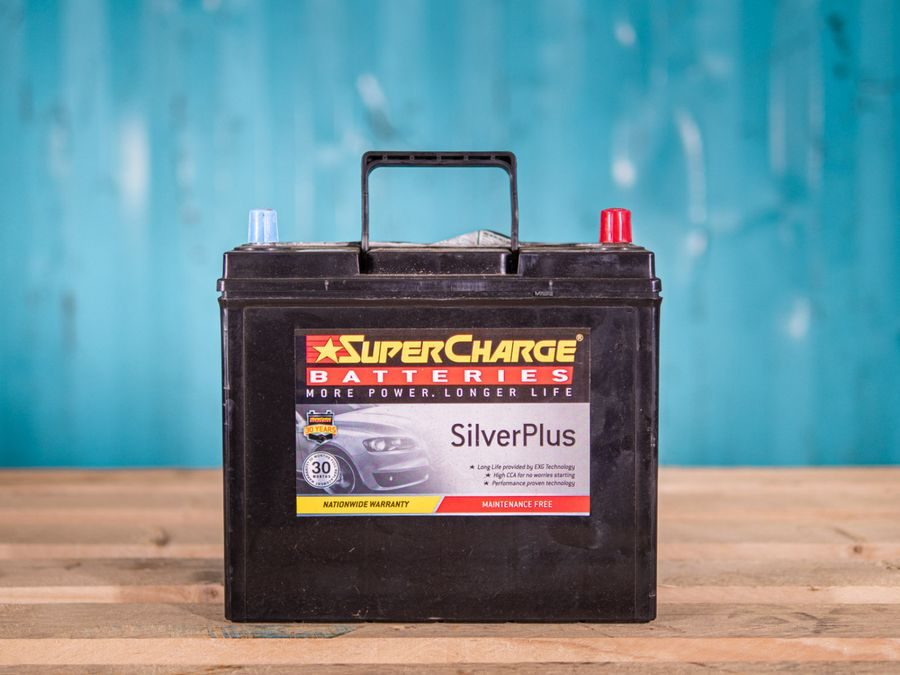
how to identify
- 'Pb' marking visible on label
- heavy for their size (~10–25 kg)
- two terminals — positive & negative posts
- liquid electrolyte — vent caps on top
- common in cars, trucks, motorcycles
- non-sealed — may have removable caps
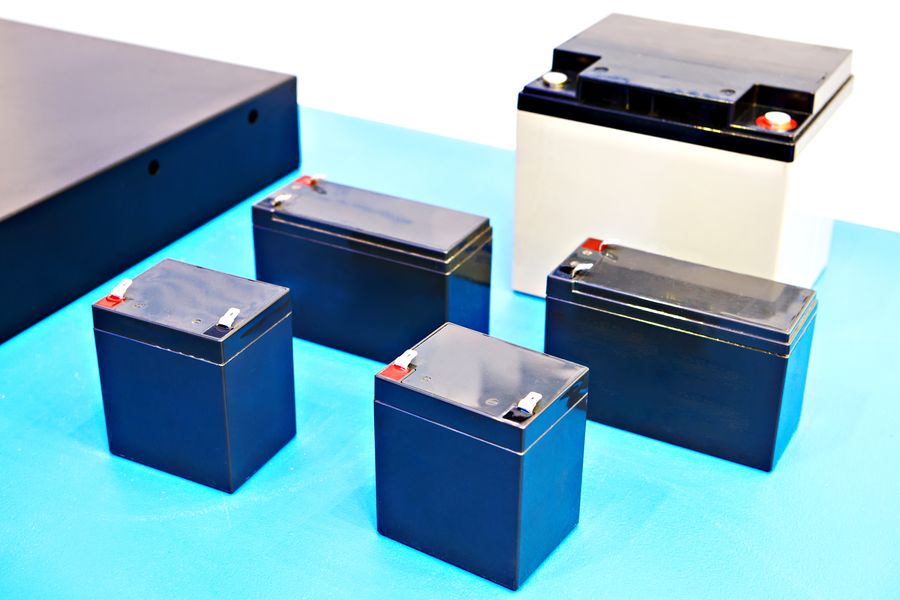
other lead batteries
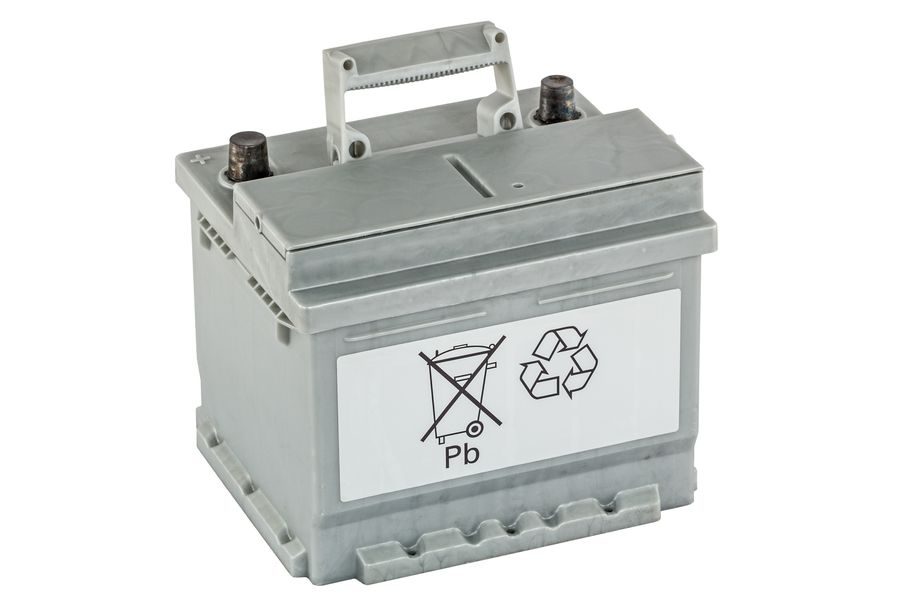
how to identify
- 'Pb' marking visible on label
- sealed — no removable vent caps, no free acid
- may say AGM, gel, or VRLA
- often rectangular black box shape
- common in UPS, wheelchairs, alarms
- heavy relative to size
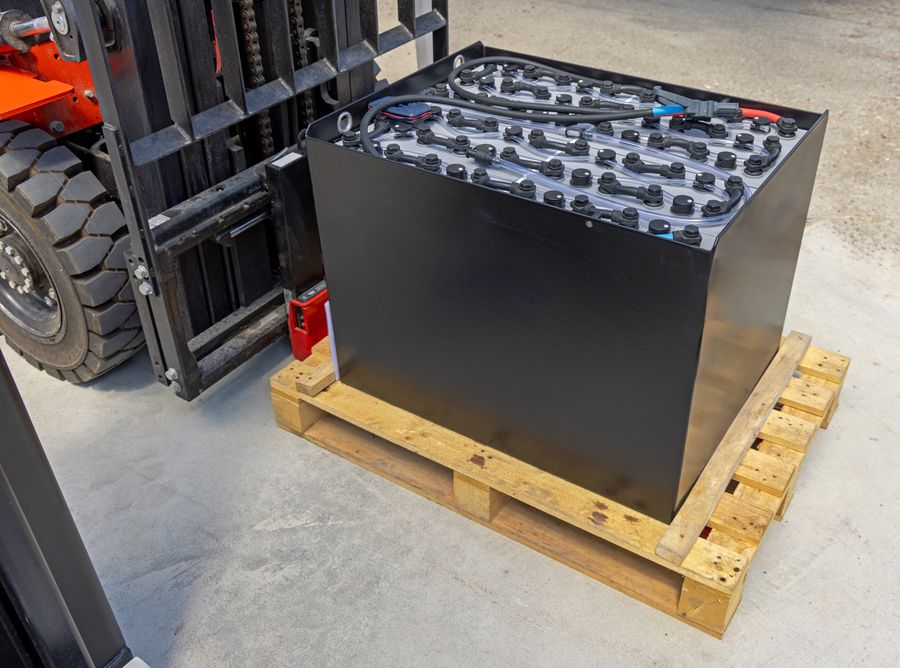
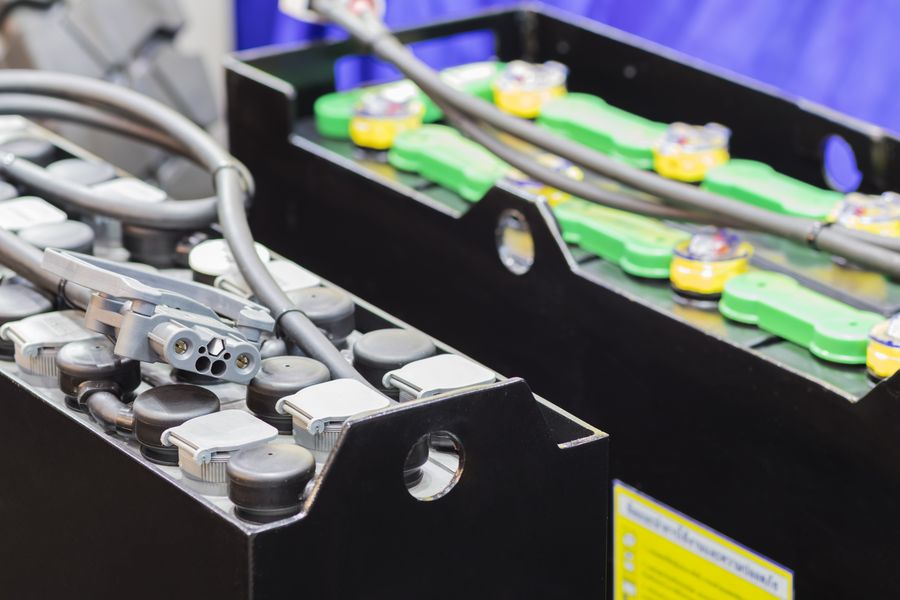
steel-encased batteries
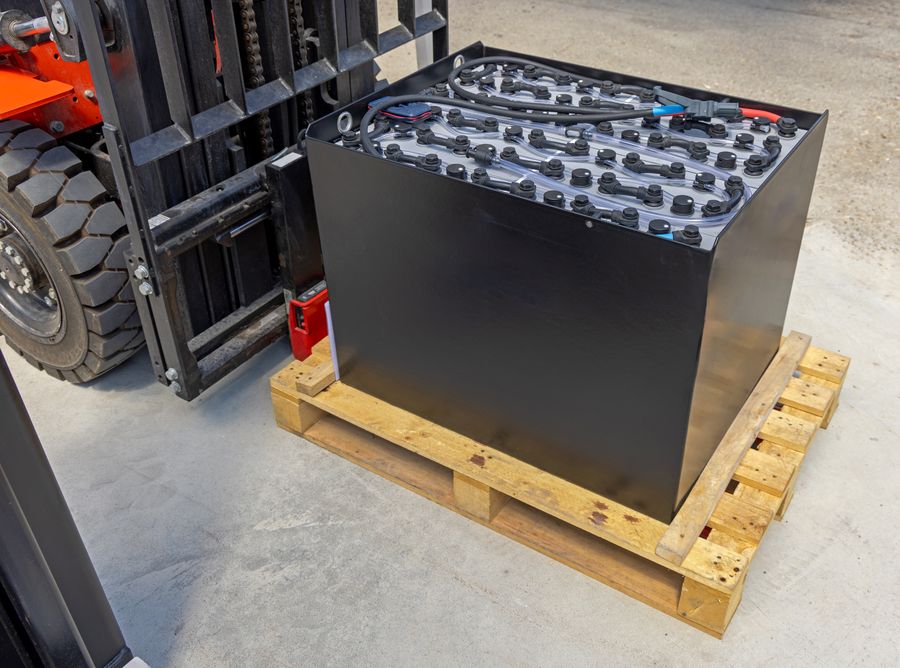
how to identify
- 'Pb' marking on cells or label
- lead-acid cells inside a steel case
- very heavy — often 100 kg+
- metal outer casing with handles or lifting lugs
- individual cell connectors visible on top
- common in forklifts, telecoms, standby power
dangerous batteries
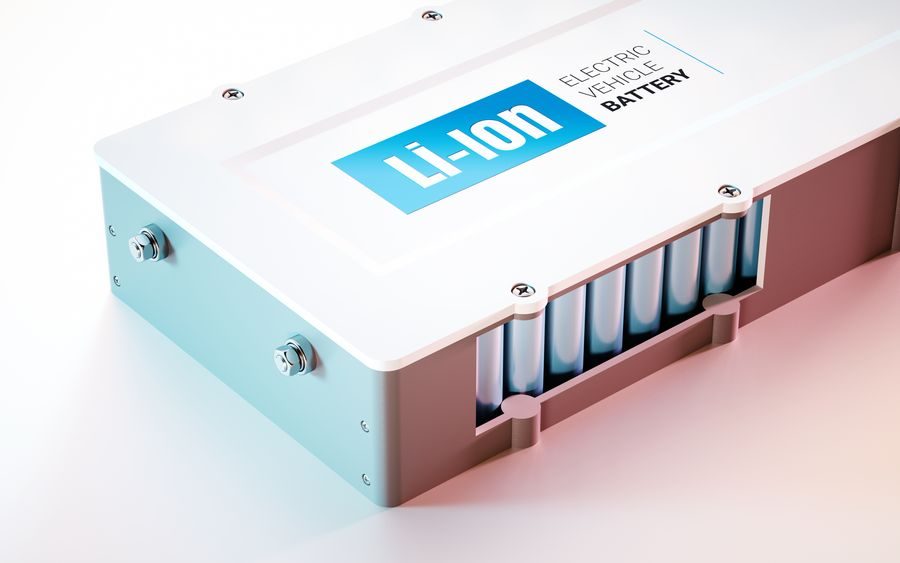
not accepted — ever
- ✕ lithium ion (Li-ion)
- ✕ nickel-cadmium (NiCad)
- ✕ nickel metal hydride (NiMH)
- ✕ laptop / power tool batteries
- ✕ electric / hybrid car batteries
- ✕ e-bike / scooter batteries
- ✕ consumer electronics batteries
warning
Lead-acid batteries contain corrosive sulfuric acid. Avoid contact with skin or eyes and handle carefully to prevent leaks or spills. Always keep batteries standing upright and separate from other scrap metal. Look for the 'Pb' marking on the battery — this confirms it's a lead-based battery we accept.
Lead-Acid Auto Batteries — Scrap Grade
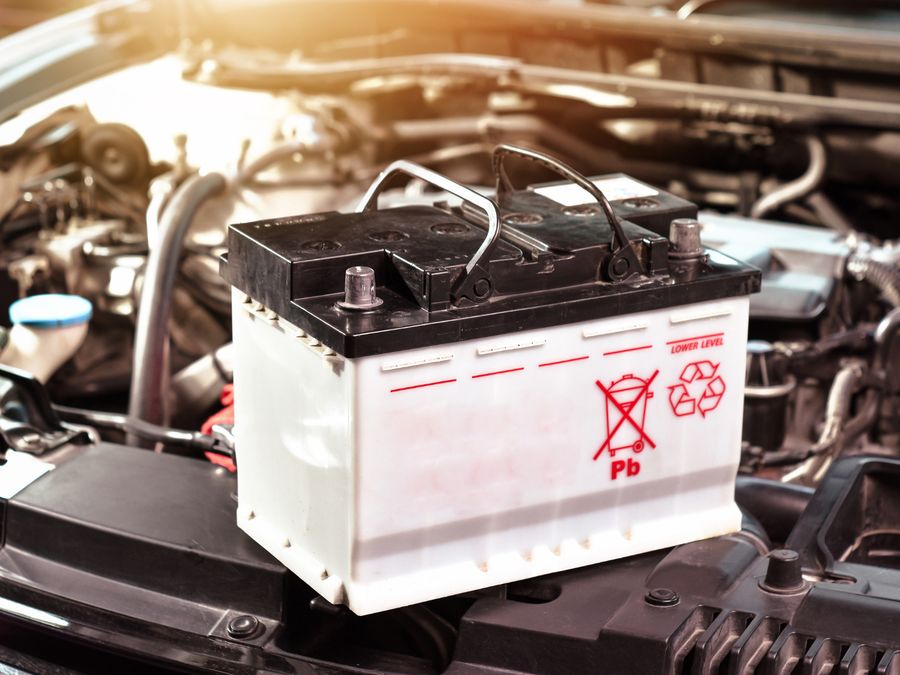
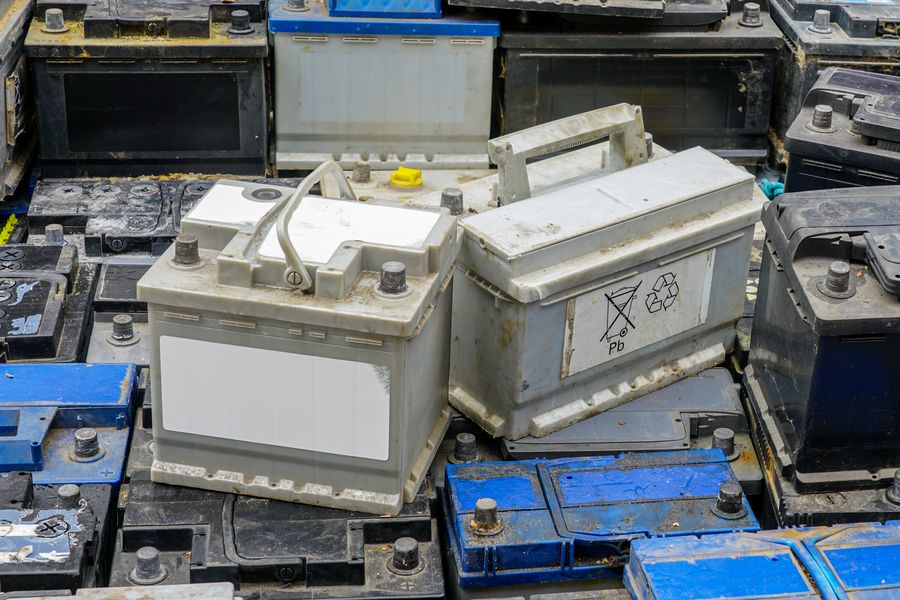
lead-acid auto batteries
conditions
- 'Pb' marking visible on the battery
- complete batteries only
- ensure standing upright
- keep separate from other scrap metal
examples
- car starter batteries
- truck and HV batteries
- motorcycle batteries
- small engine batteries
- agricultural / machine batteries
Other Lead Batteries — Scrap Grade
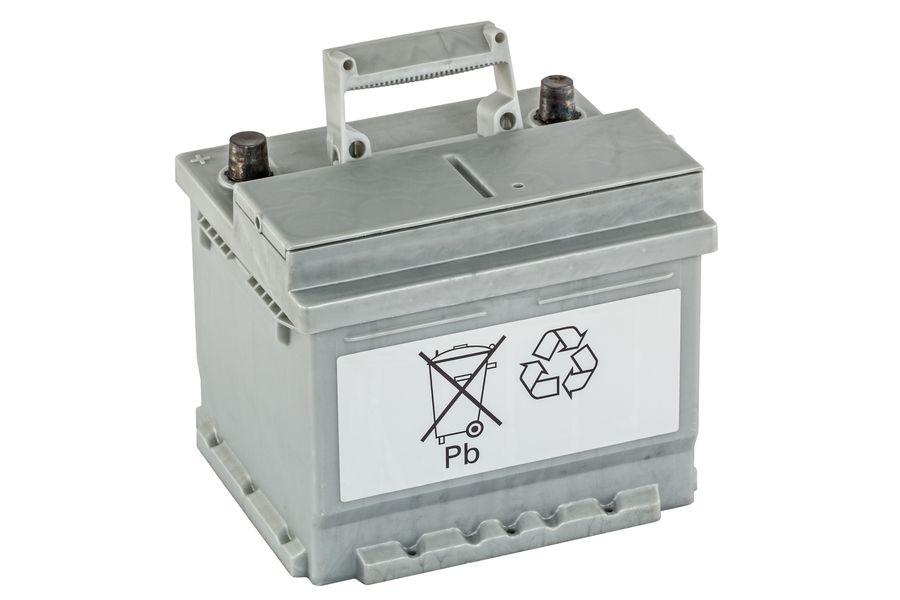
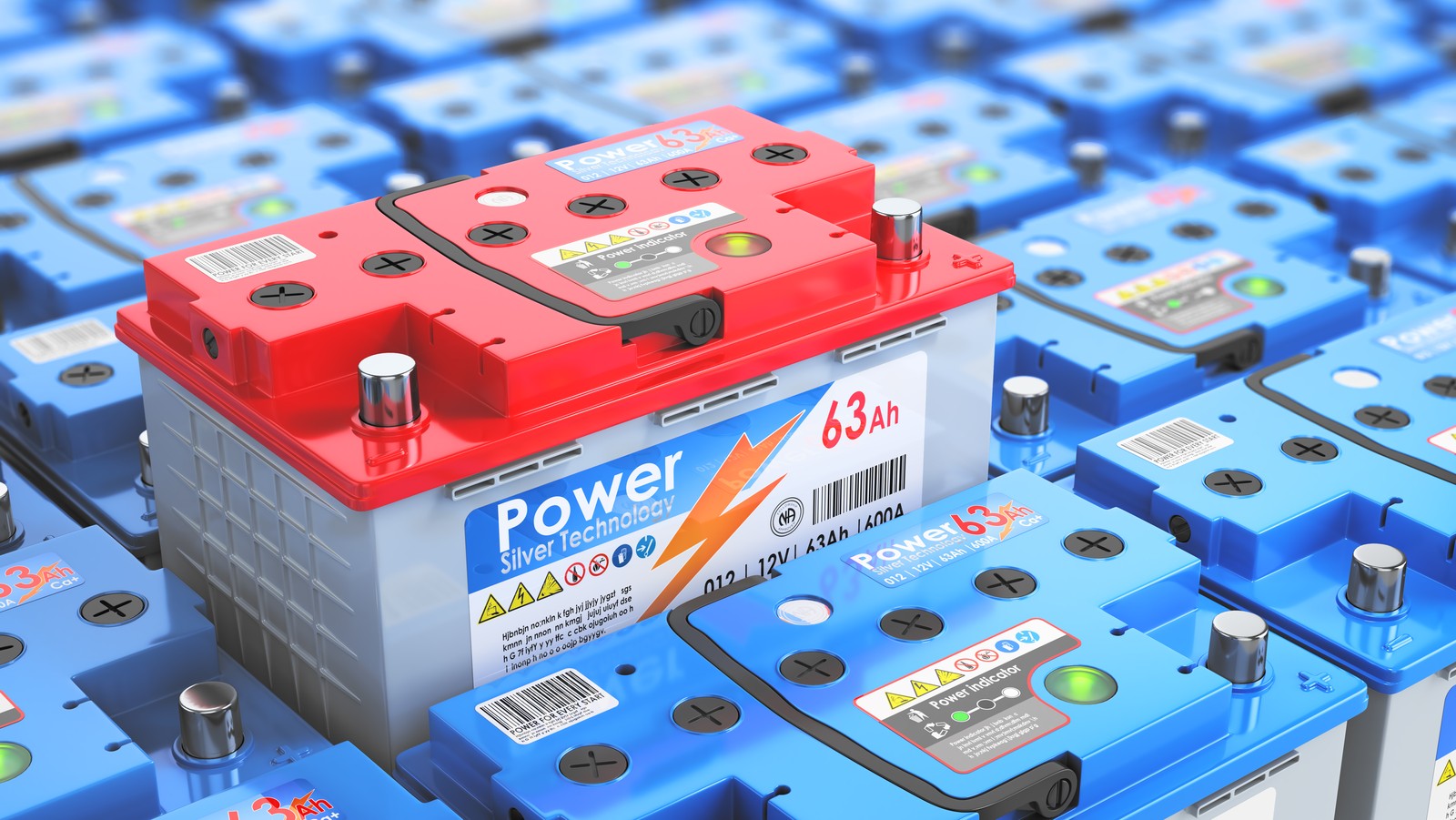
other lead batteries
conditions
- 'Pb' marking visible on the battery
- complete battery intact
- sealed — no free liquid acid
- gel
- AGM
examples
- gel cell batteries
- AGM batteries
- UPS / back-up power supply
- wheelchair batteries
- emergency lighting batteries
Steel-Encased Batteries — Scrap Grade
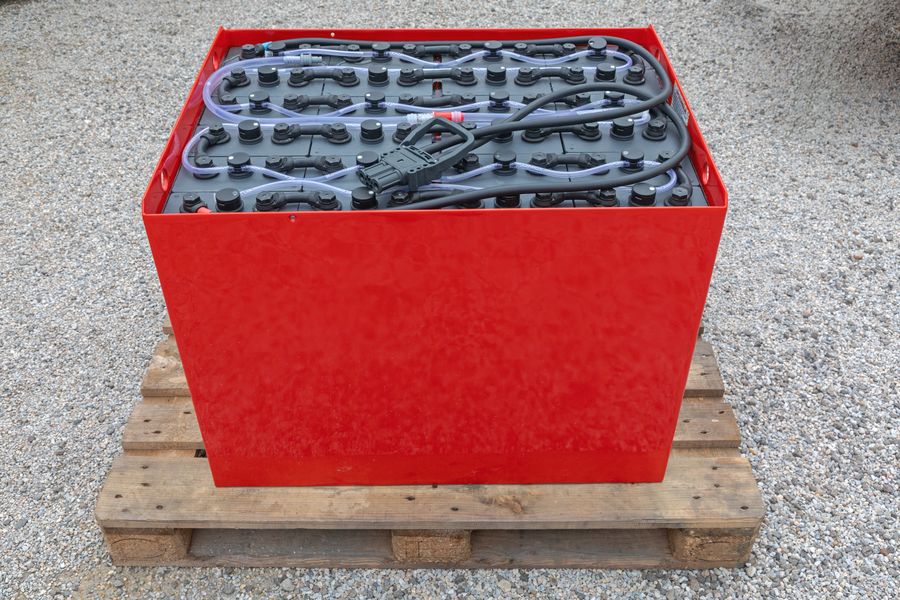
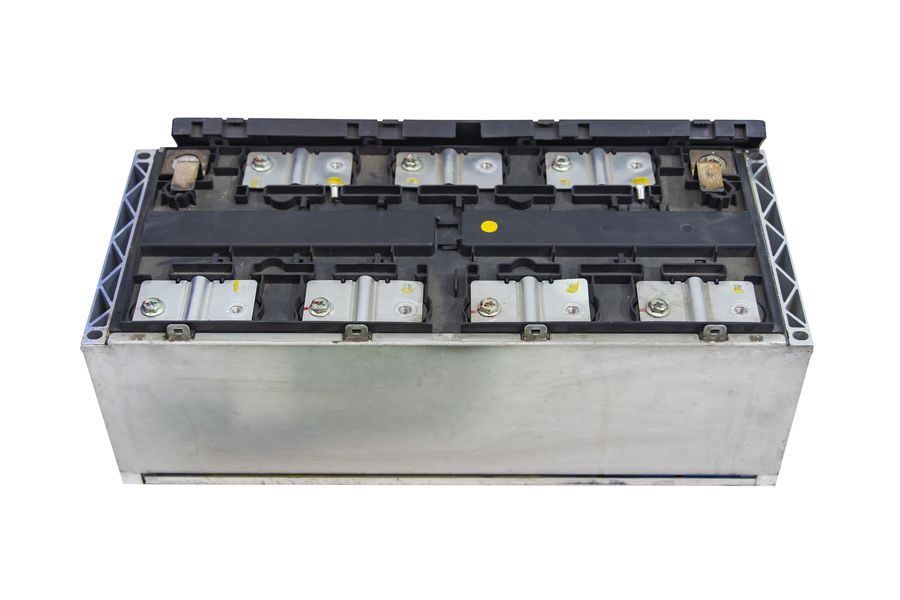
steel-encased batteries
conditions
- 'Pb' marking visible on the battery
- lead-acid cells inside steel casing
- complete unit — do not disassemble
- keep upright — acid may leak if tipped
examples
- forklift batteries
- traction batteries
- standby power batteries
- industrial battery packs
- telecom battery cabinets
Dangerous Batteries — Not Accepted
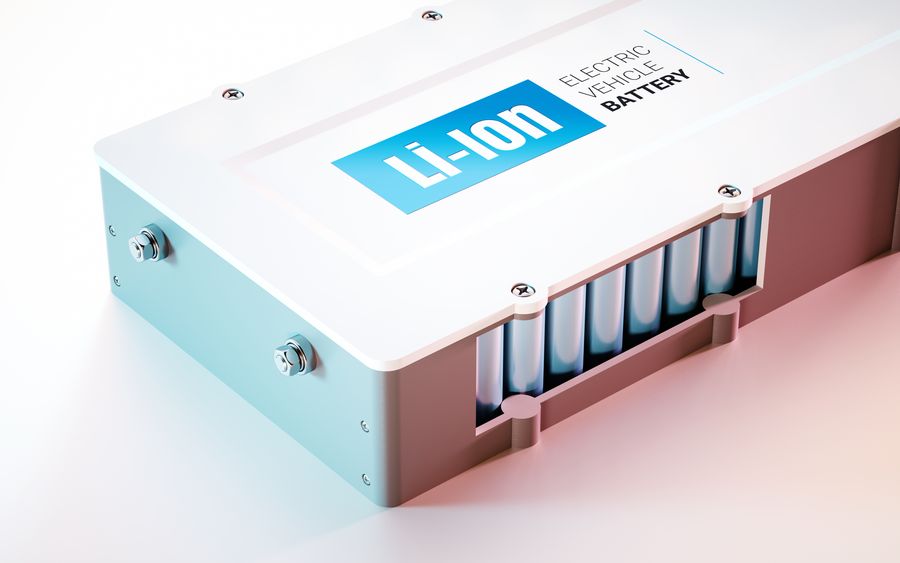
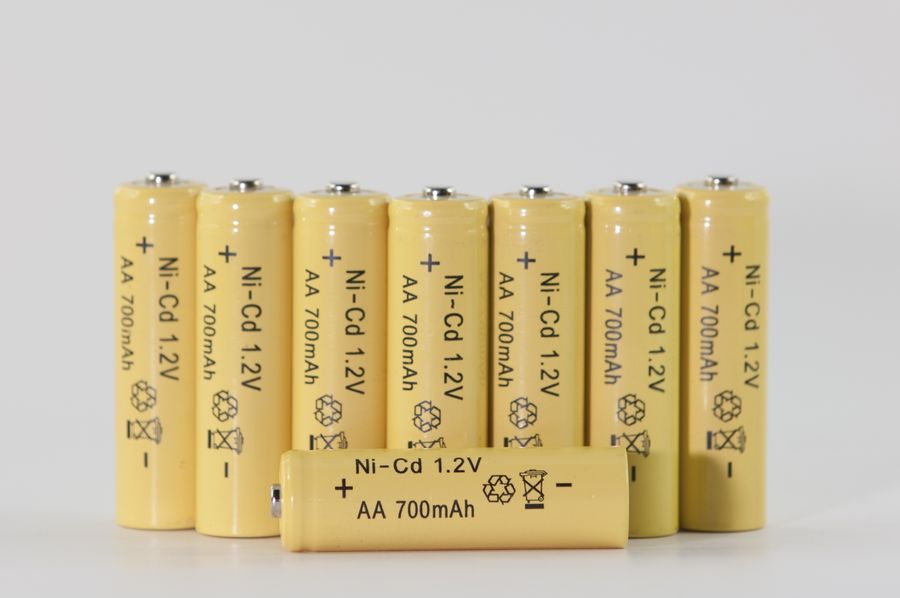
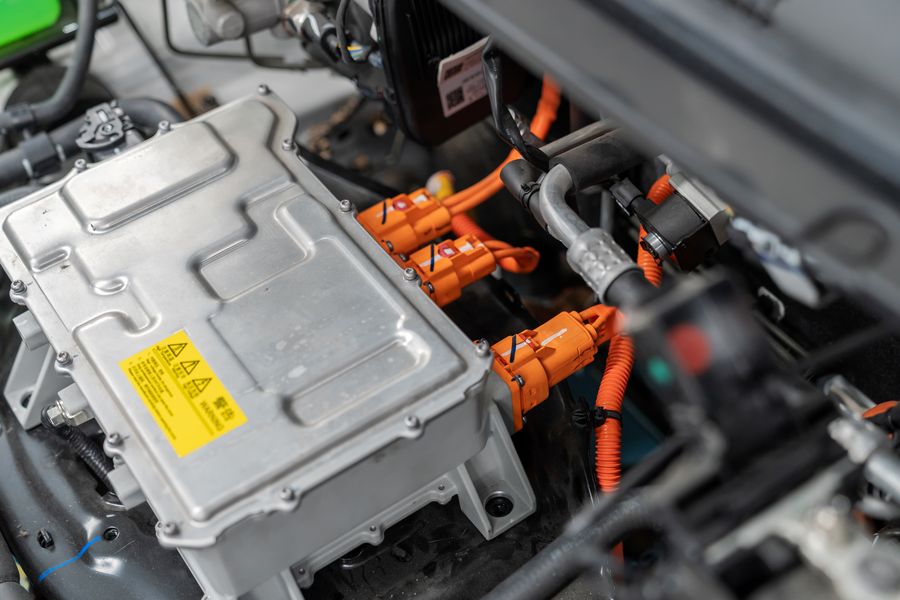
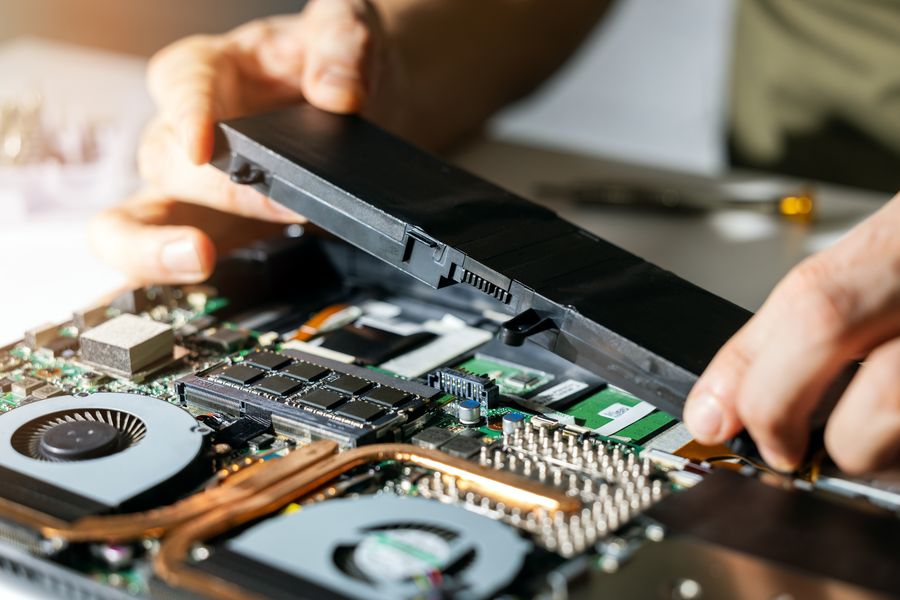
dangerous batteries — not accepted
we do not accept
We do not accept lithium or nickel batteries under any circumstances.
- ✕ lithium ion (Li-ion) batteries
- ✕ nickel-cadmium (NiCad) batteries
- ✕ nickel metal hydride (NiMH)
- ✕ laptop / power tool batteries
- ✕ electric / hybrid car batteries
- ✕ e-bike / scooter batteries
- ✕ consumer electronics batteries
not sure what type you've got?
Send us a photo and we'll tell you whether we can take it and what it's worth. No obligation, no pressure. Just a fast answer from our team.
the recycling process
how batteries are recycled
Lead-acid batteries are one of the most successfully recycled products on the planet. Over 99% of all lead-acid batteries are recycled. Here's what happens to your batteries once they arrive at our yard.
1
collection & sorting
Your batteries arrive at our yard and our team sorts them by type — auto, sealed/AGM, and steel-encased — to ensure safe handling and correct processing.
2
acid draining
Sulfuric acid electrolyte is safely drained and neutralised or processed into sodium sulfate, which is used in laundry detergent, glass, and textile manufacturing.
3
breaking & separation
Batteries are fed into a hammer mill that breaks them into pieces. Lead, plastic, and acid are separated using water and gravity. Polypropylene cases are recycled into new battery cases.
4
lead smelting
Lead plates and lead oxide are smelted at ~330°C and refined into pure lead ingots, which are sold back to battery manufacturers to make new batteries — a true closed loop.
safe handling
how to prepare your batteries
Lead-acid batteries need careful handling. Follow these steps to stay safe and get the best return when you bring them in.
- Check the 'Pb' marking: look for the 'Pb' symbol on the battery label. This confirms it contains lead and we can accept it. No Pb marking? Ask us first.
- Keep batteries upright: never tip or stack batteries on their sides. Sulfuric acid can leak from cracked cases or vent caps, causing burns and corrosion.
- Keep clear of other scrap: batteries must be kept separate from other metals. Acid spills corrode other materials and create safety hazards on the yard.
- Don't break or drain them: bring batteries to us whole. We have the equipment and training to safely drain and process them. Attempting this yourself is dangerous.
- Protect terminals: if possible, tape over exposed battery terminals to prevent short circuits during transport, especially when carrying multiple batteries.
- Never store batteries in a drum: don't tip loose batteries into a steel drum or bin. The terminals can touch each other or the metal sides and short circuit, causing the terminals to arc — a known cause of scrap-yard fires. Keep batteries upright, terminals up, and spaced apart.
- Wear protective clothing: always wear acid-resistant rubber gloves and eye protection when handling lead-acid batteries. The sulfuric acid inside is highly corrosive and causes severe burns on contact with skin or eyes.
- Know what we don't accept: lithium, nickel-cadmium, and nickel metal hydride batteries are not accepted under any circumstances. These chemistries require specialist handling.
Pro tip: If you are a workshop, auto electrician, or fleet operator with regular battery volumes, ask our team about scheduled metal recycling pickup services. We can arrange dedicated metal recycling containers and come straight to your site.
sustainability
why recycle batteries
Lead-acid batteries are the most recycled consumer product in the world. Recycling them properly keeps toxic lead out of landfills and waterways, and returns valuable materials to the manufacturing cycle.
99%
recycling rate
Lead-acid batteries have the highest recycling rate of any consumer product — over 99% are recovered and recycled worldwide.
endlessly recyclable
Lead can be recycled infinitely without any loss in quality. A recycled lead-acid battery performs identically to one made from virgin lead.
80%
of lead is recycled
Around 80% of the lead used in new batteries comes from recycled sources, reducing the need for environmentally destructive lead mining.
By choosing battery recycling with endless, every old unit stays out of landfill. The lead goes back into manufacturing, the plastic becomes new cases and the acid is neutralised or repurposed. Nothing is wasted.
what we pay
battery pricing
Battery prices are based on the lead content inside, which moves with the international lead market. We update our lead battery scrap price rates weekly and publish them per yard, so you can check today's price before you drive in.
battery type
Auto batteries (standard lead-acid) typically command the best per-kg rates. Sealed/AGM and steel-encased batteries may vary due to differing lead content and processing requirements.
London Metal Exchange (LME) lead price
Battery value is driven by the LME lead price. When LME lead rises, battery scrap prices follow.
NZD/USD exchange rate
As an export commodity, lead is priced in USD. A weaker NZ dollar means higher local battery prices, and vice versa.
volume & condition
Larger volumes of complete, intact batteries attract better rates. Damaged or leaking batteries may be discounted to cover additional handling and safety costs.
For today's battery prices at your nearest yard, visit our battery pricing page or call our team directly. We provide instant quotes, no obligation.
still have questions?
Find what you’re looking for in the FAQs below.
Lead-acid batteries are bought by weight on their lead content, which tracks the global lead market. We pay the same day — see our pricing page or call 0800 44 88 99 for today's rate.
Yes. Lead-acid car, truck, marine and motorcycle batteries are a bought line — bring them in and we'll weigh and pay you the same day rather than charging a disposal fee.
We take all lead-based batteries — car, truck, marine, motorcycle, AGM, gel and other sealed lead batteries, plus steel-encased industrial batteries. We don't take lithium, NiCd or household batteries. For roofing lead, wheel weights and other lead products, see our other metals page.
No — our bought line is lead-based batteries only. Lithium-ion, NiCd and household batteries need specialist handling and aren't bought by weight, and they're a serious fire risk in a scrap load. Check with our team on 0800 44 88 99 for where to take them.
Yes, with care. Keep them upright so acid can't leak, protect the terminals so they can't short against metal, and don't stack heavy items on top.
Yes, with care. Bag any cracked or leaking battery, keep it upright, and let our team know on arrival so we can handle the acid safely.
On their lead content and the prevailing lead market — typically by weight, per kilogram or per unit. We confirm the rate at the scales before you commit. See the pricing page for today's rate.
endless has two yards — Onehunga and Wairau Valley. Drive in during business hours; we weigh and pay the same day. Bring photo ID, as we record metal transactions as a licensed dealer.
Yes — lead-based batteries are among the most recycled products in the world. The lead, acid and plastic casing are all recovered and reused, which is why they should never go to landfill.
ready to recycle your batteries?
call us, email us, or drop into either yard. we pay on the spot, same day.