
© 2026 Endless Holdings Limited® · Licensed Secondhand Dealer · Web Development by Graphic Detail NZ Ltd.
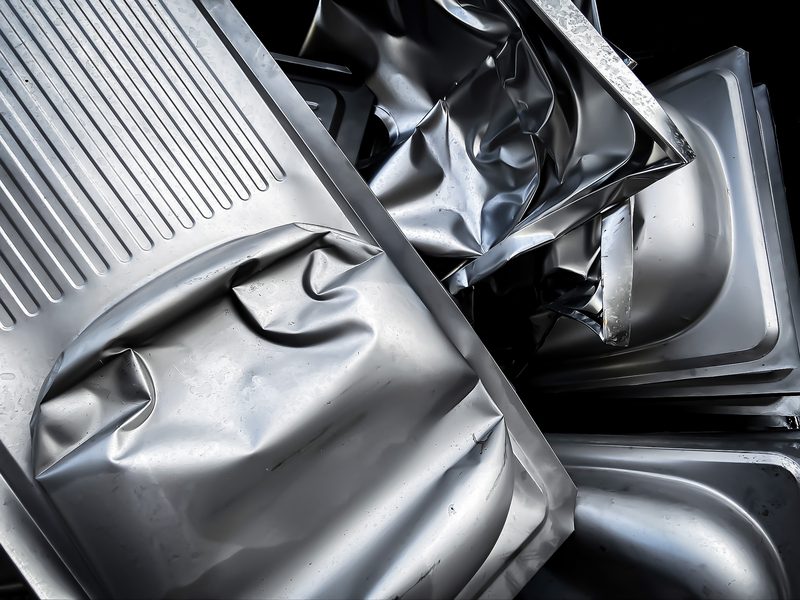
Stainless steel is the highest-value ferrous family we handle, and Endless grades every load on the spot at both Auckland yards. The nickel and chromium in its makeup mean quality stainless steel is non-magnetic, so a magnet will not stick, which is the quick way to tell it apart from mild or galvanised steel. By far the most common grades are 304 and 316, and both pay far more than mild steel. These are what Endless prices day to day. Other specialist grades are produced but are rare; bring them in and we will grade and price them on request.
Whether you are a fabricator with sorted offcuts, a marine engineer with 316, or clearing a commercial kitchen, we identify the grade and pay you on the spot. Telling 304 from 316 by eye is not always possible, so where a grade is not clear we do not guess. We can XRF-test it to confirm exactly what it is and you are paid on the grade it actually is.
Visit either our scrap metal Onehunga yard or our Wairau Valley branch on the North Shore, and our team will take you through how your stainless steel payouts are calculated.
Priced on nickel content. Graded on the spot. Paid same day. Sort 304 from 316 for the best return.
Stainless Steel Grades: What We Pay
Stainless steel is priced primarily on its nickel content, which is why grade and sorting drive your payout. 316 (marine grade) carries the most nickel plus molybdenum and pays the most, while 304 is the workhorse grade and pays a step below. Mixing the two pulls the whole load down to the lower grade present, so keeping 304 and 316 separate is the single biggest thing you can do to lift your return. If you want to know how much your stainless steel scrap is worth, our team provides instant grading at the scales.
 SiteWise Gold certified
 Toitū carbon reduce certified
 AMR & ReMA member
 Licensed secondhand dealer
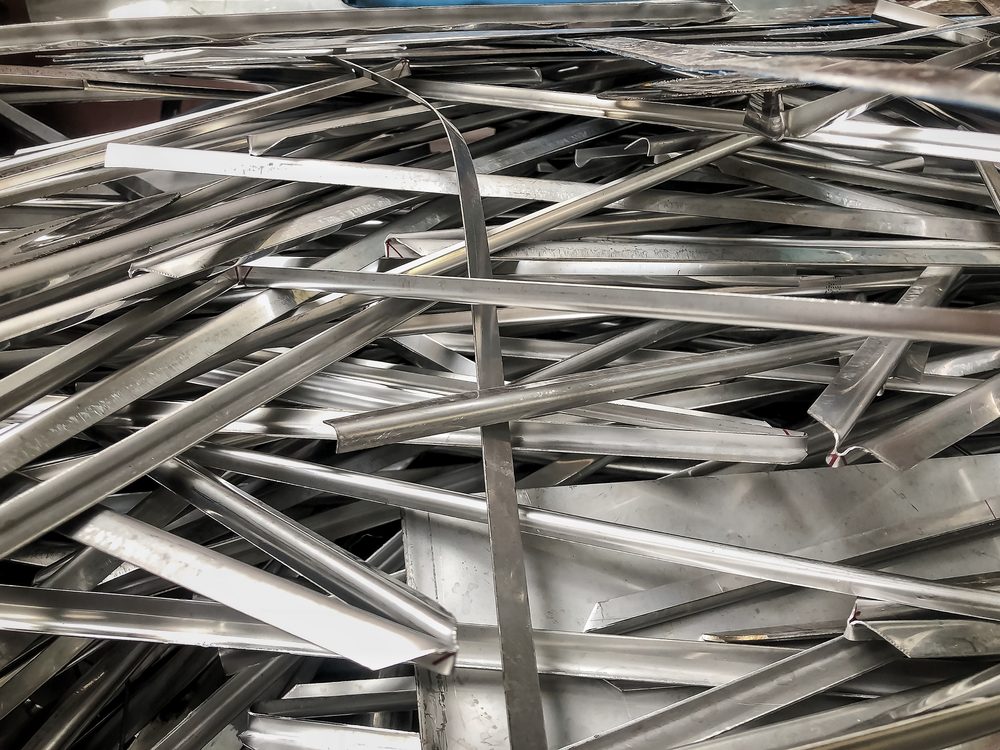
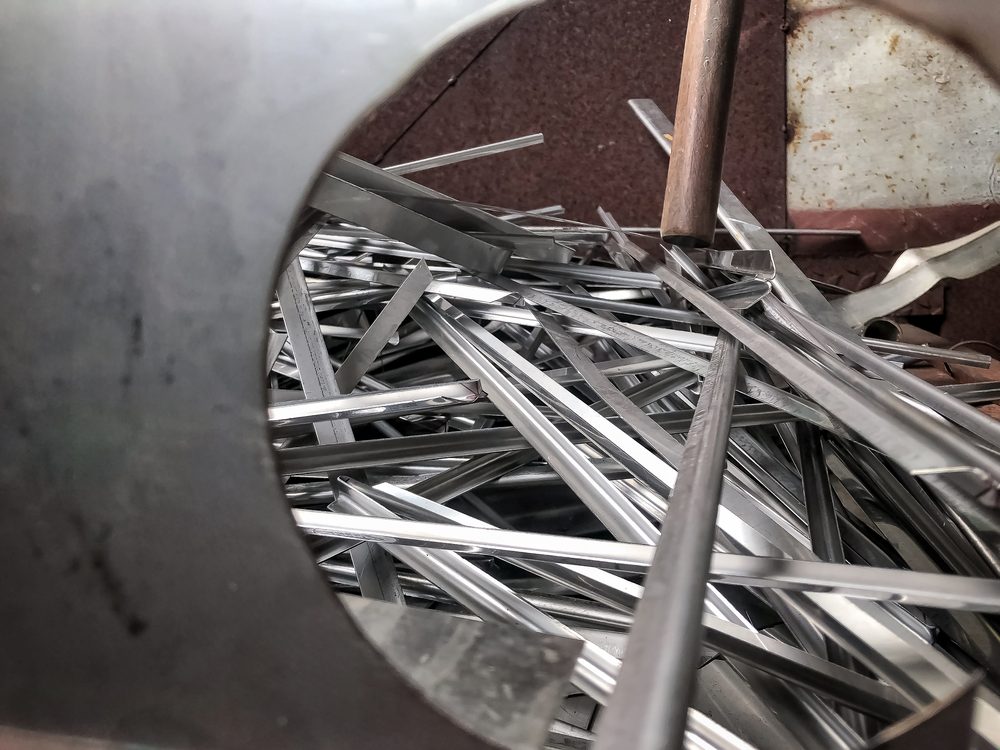
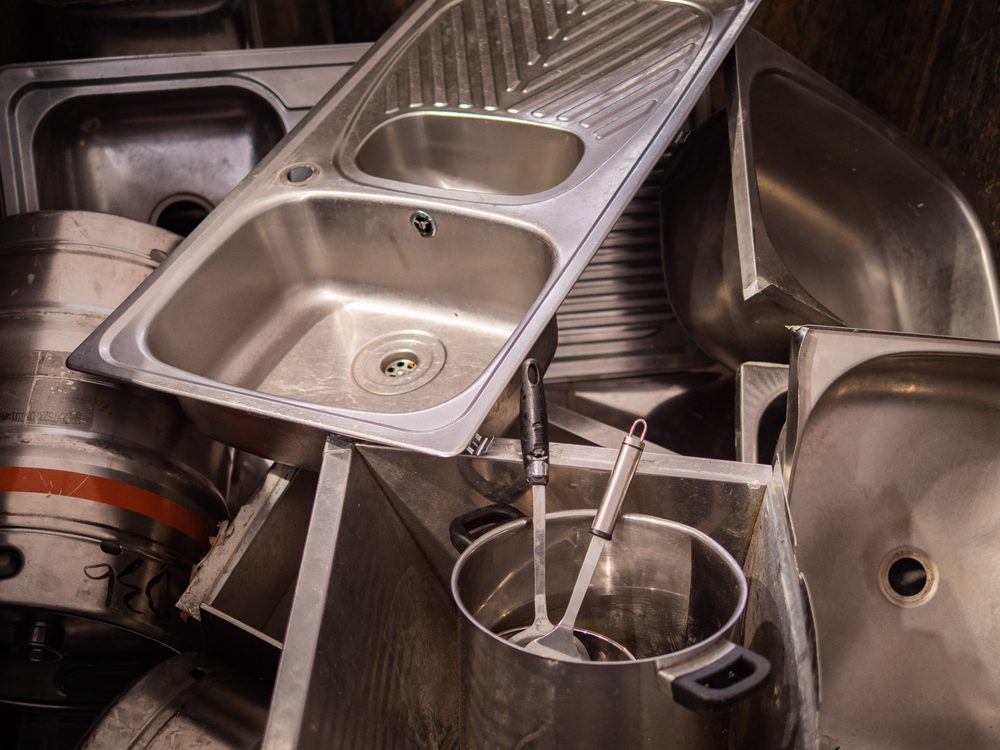
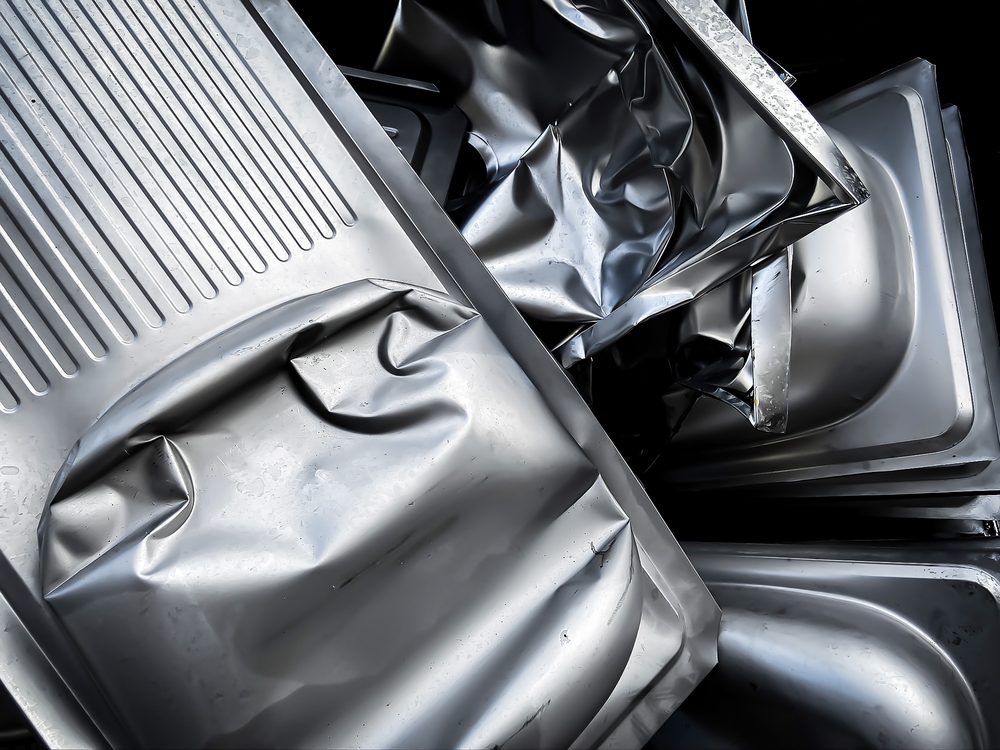
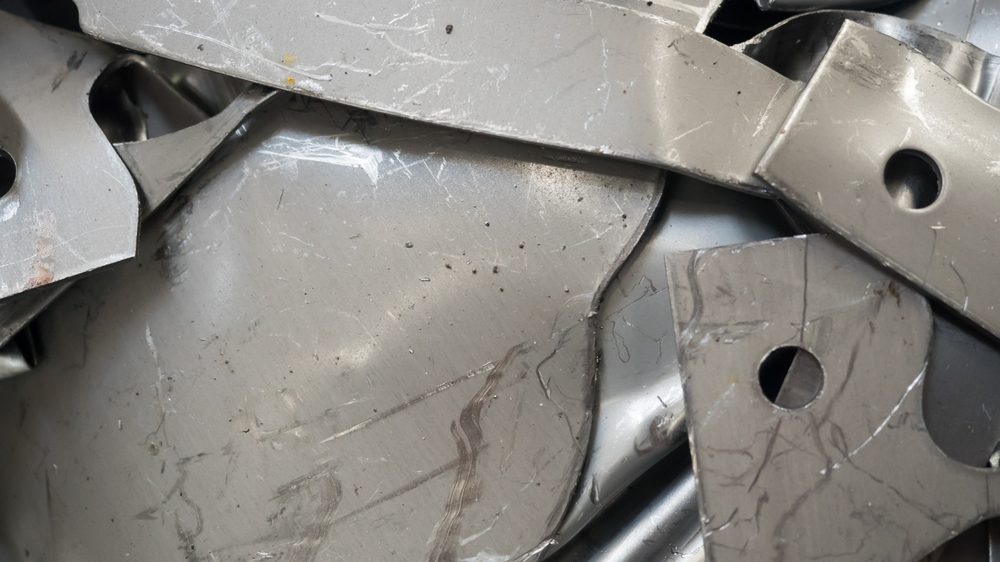
Stainless Steel 304
conditions
- non-magnetic
- clean
- bare
- no contamination:
- ferrous attachments
- non ferrous attachments
- wood / glass / plastic
- dirt
examples
- benches & sinks
- catering & kitchen gear
- balustrade & handrail
- sheet & tube
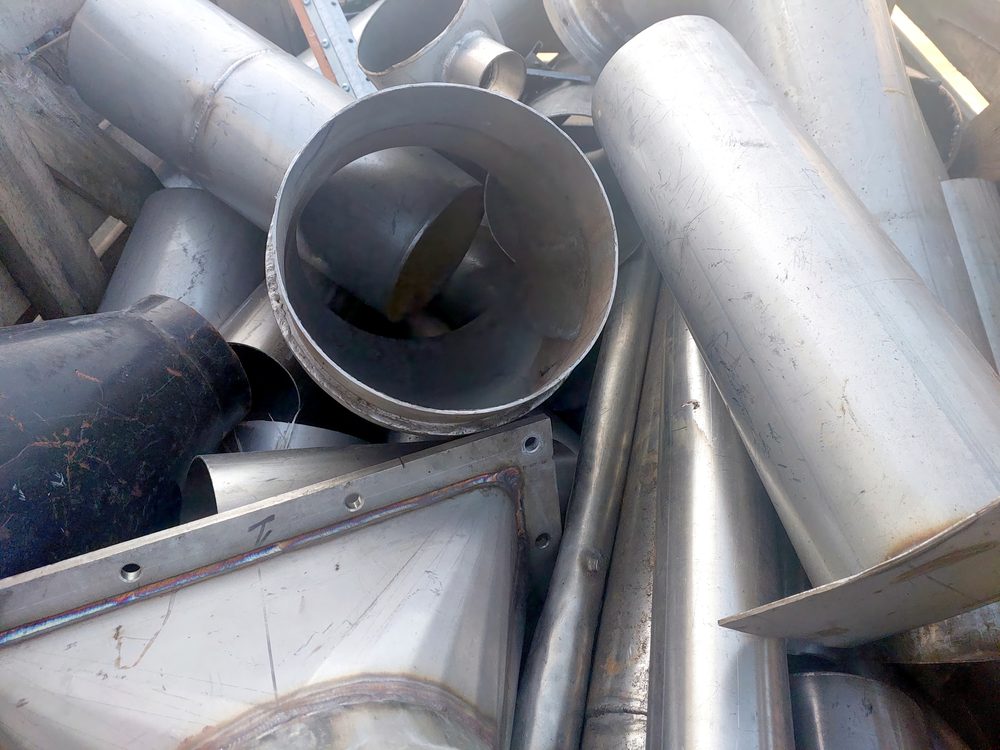
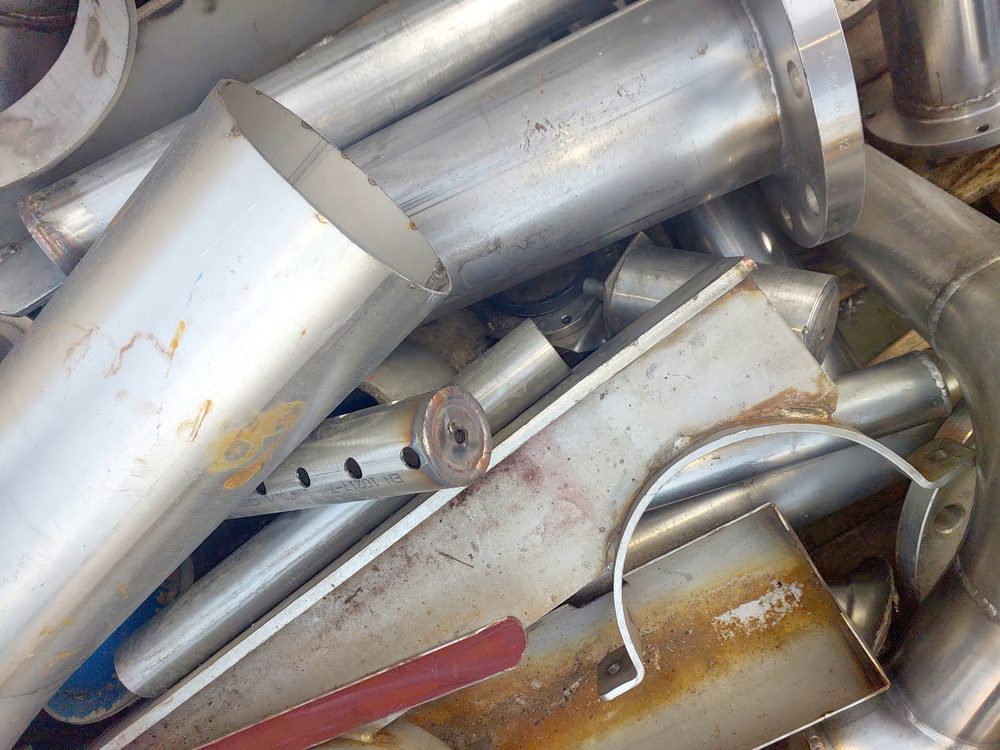
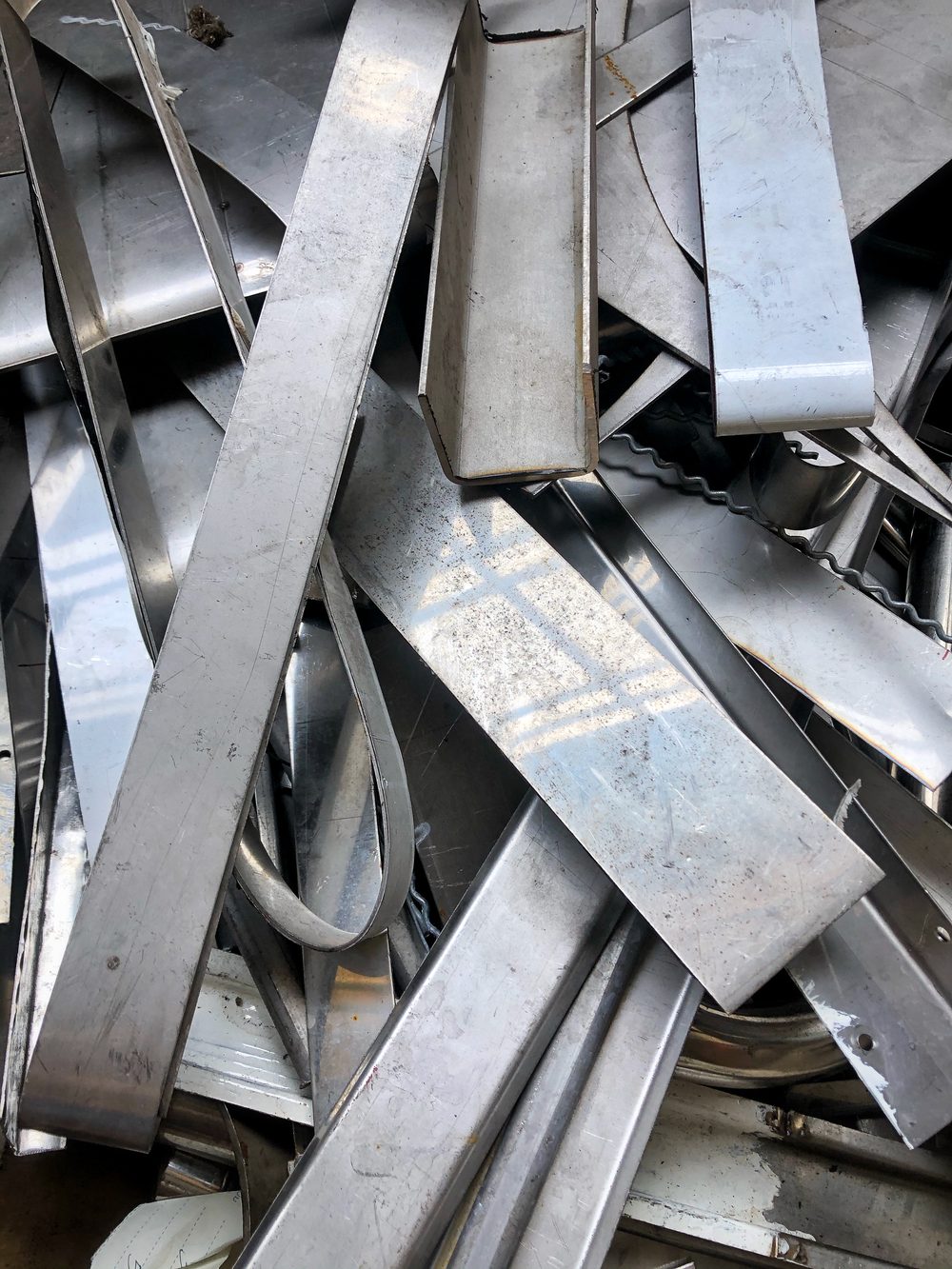
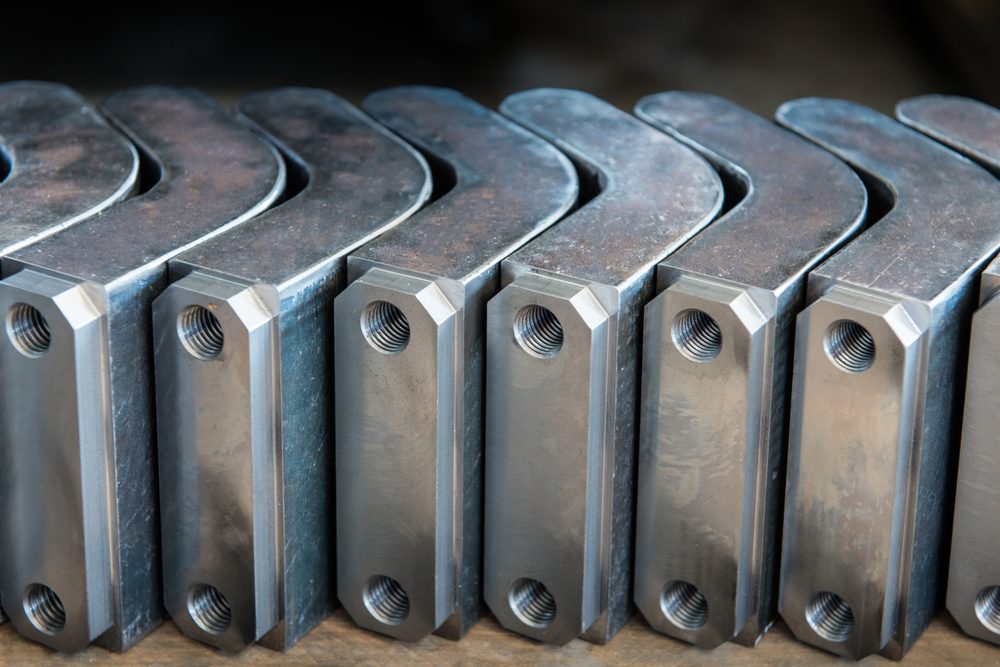
Stainless Steel 316
conditions
- non-magnetic
- clean
- sorted
- no contamination:
- ferrous attachments
- non ferrous attachments
- wood / glass / plastic
- dirt
examples
- marine fittings
- food & pharma equipment
- chemical tube
- boat rails
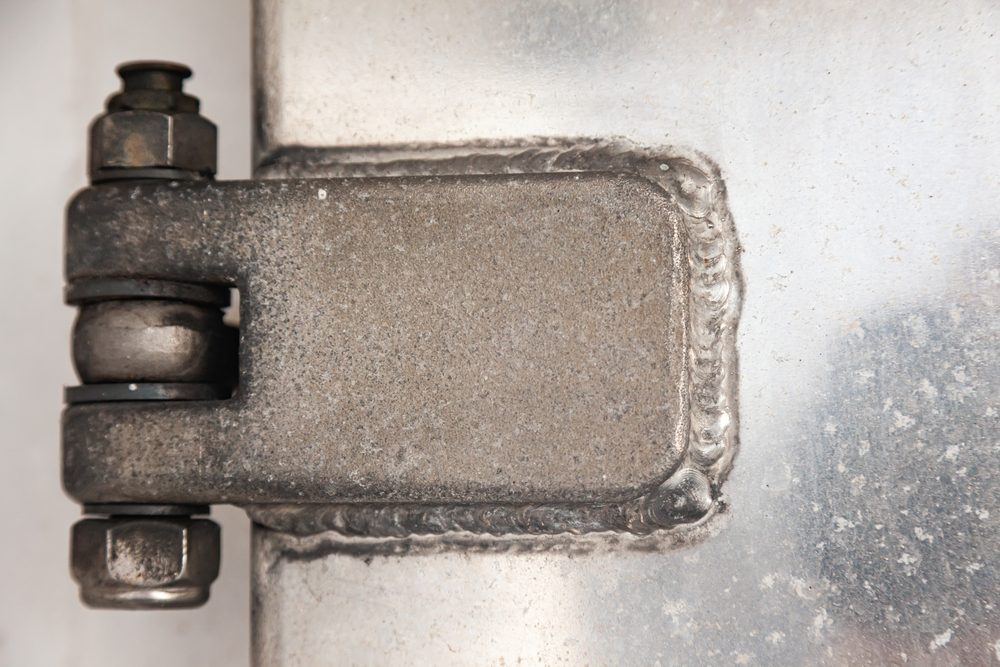
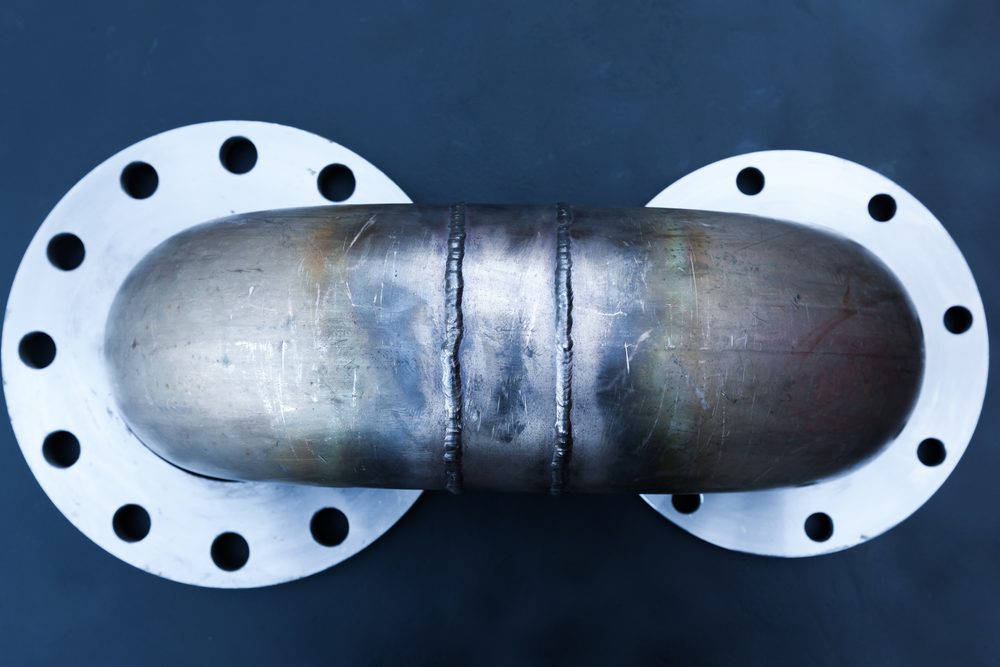
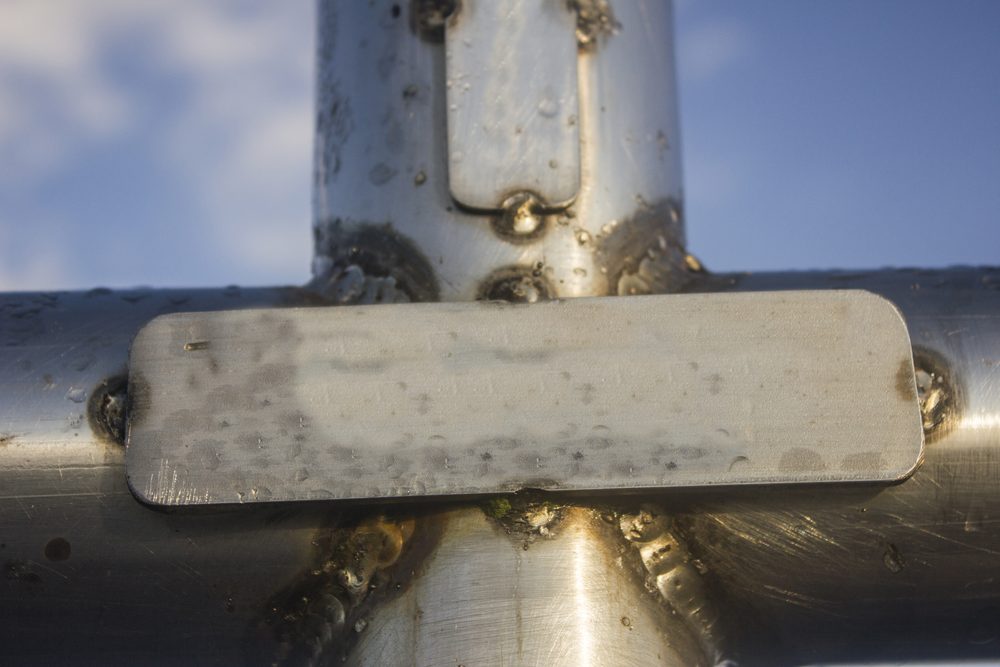
Irony or Dirty Stainless
conditions
- stainless with contamination (irony grade)
- must be more than 70% stainless steel
- may contain:
- wood
- steel attached
- plastic
- rubber
- dirt
examples
- stainless with steel frames
- fixings & brackets attached
- contaminated assemblies
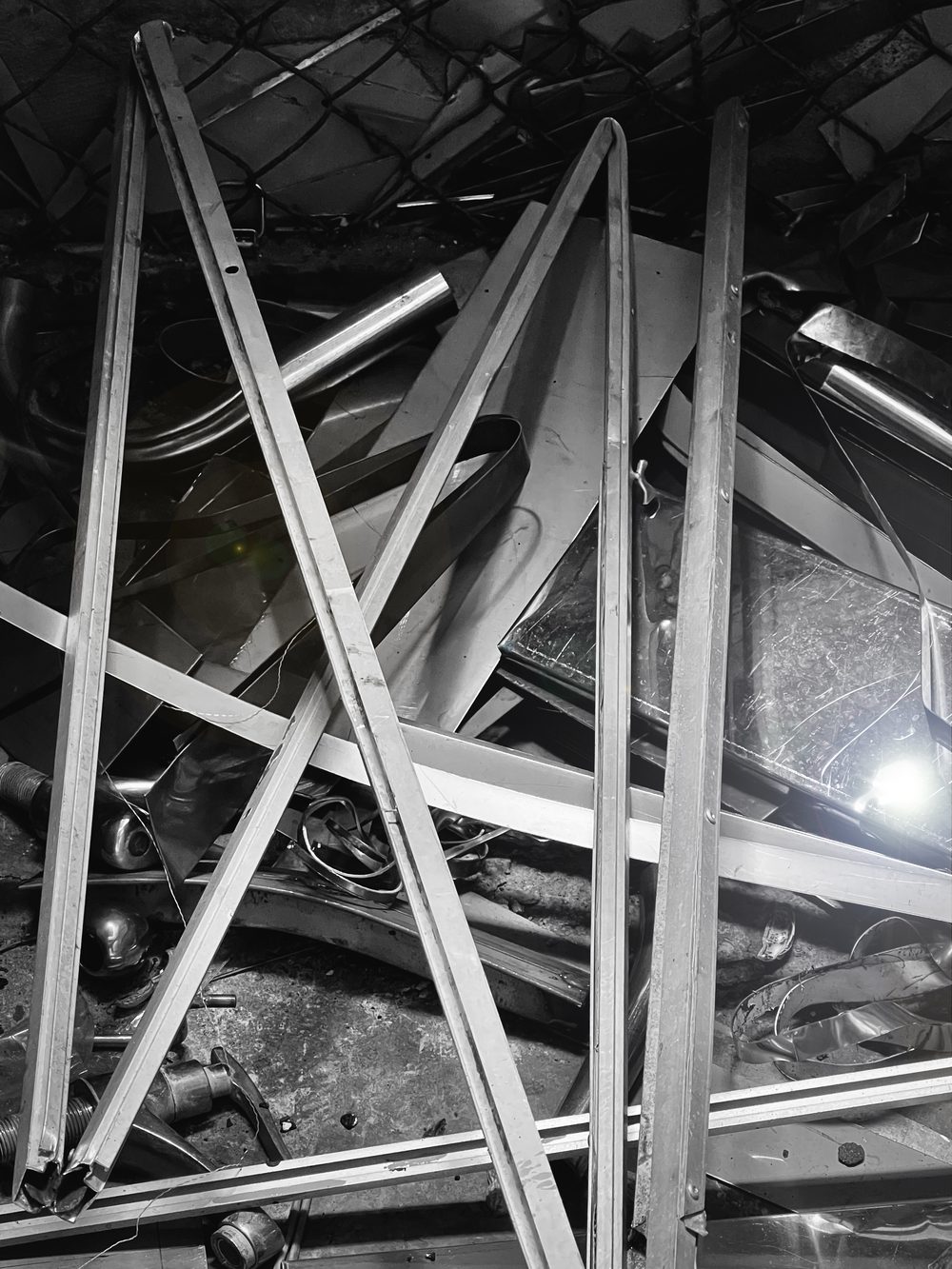
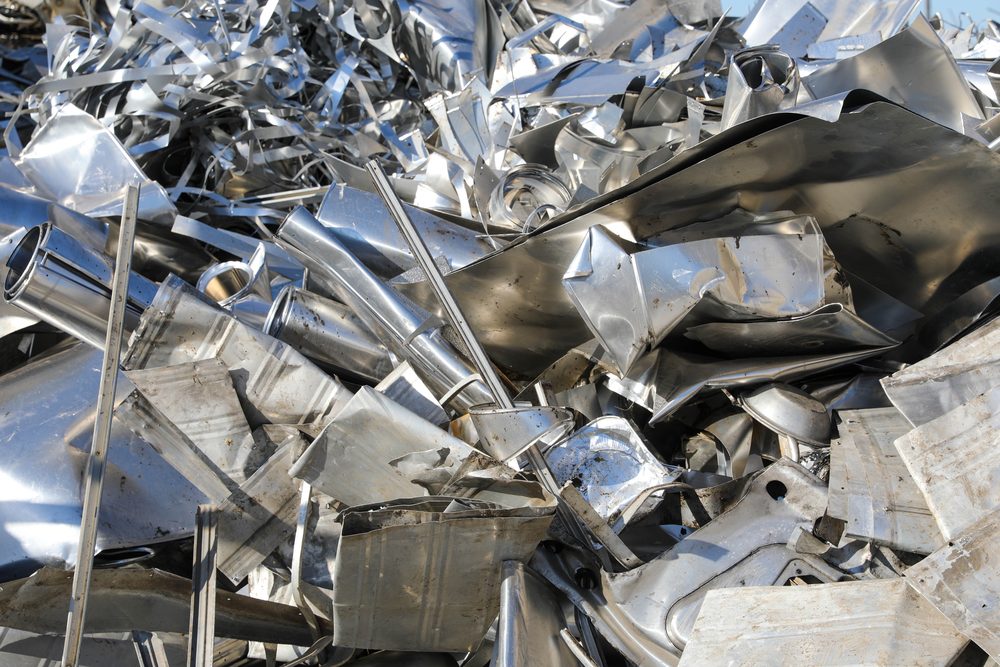
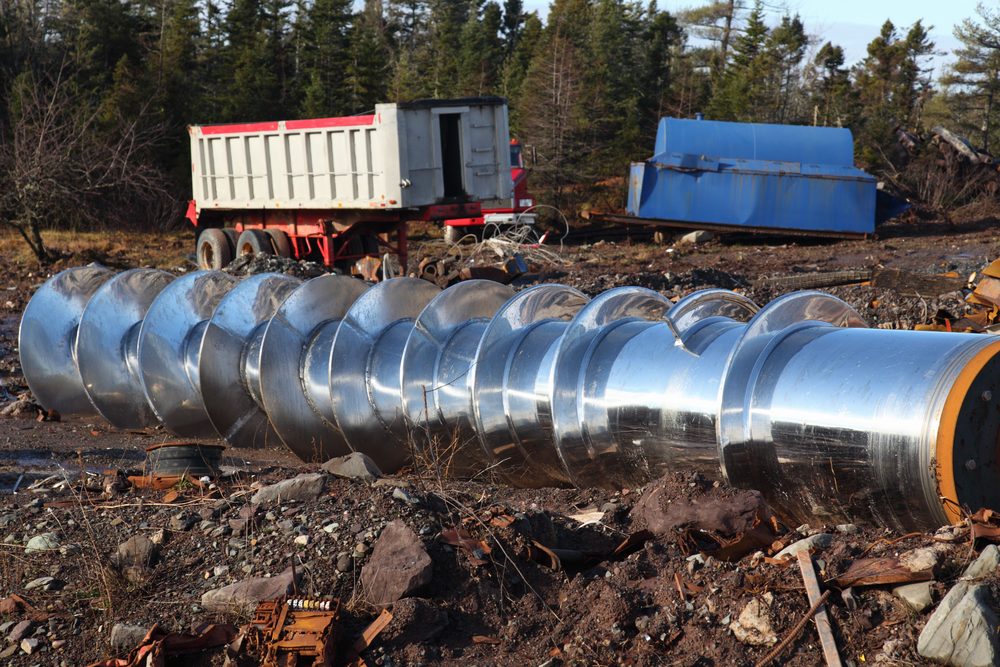
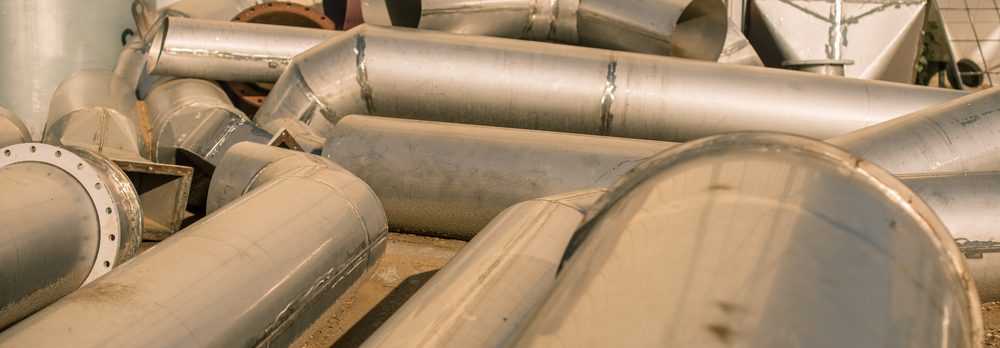
Oversize Stainless
conditions
- stainless grade
- non-magnetic
- larger than 1 m
- no contamination:
- ferrous attachments
- non ferrous attachments
- wood / glass / plastic
- dirt
examples
- stainless tanks & vessels
- large plate & sheet
- structural sections
- big fabrication offcuts
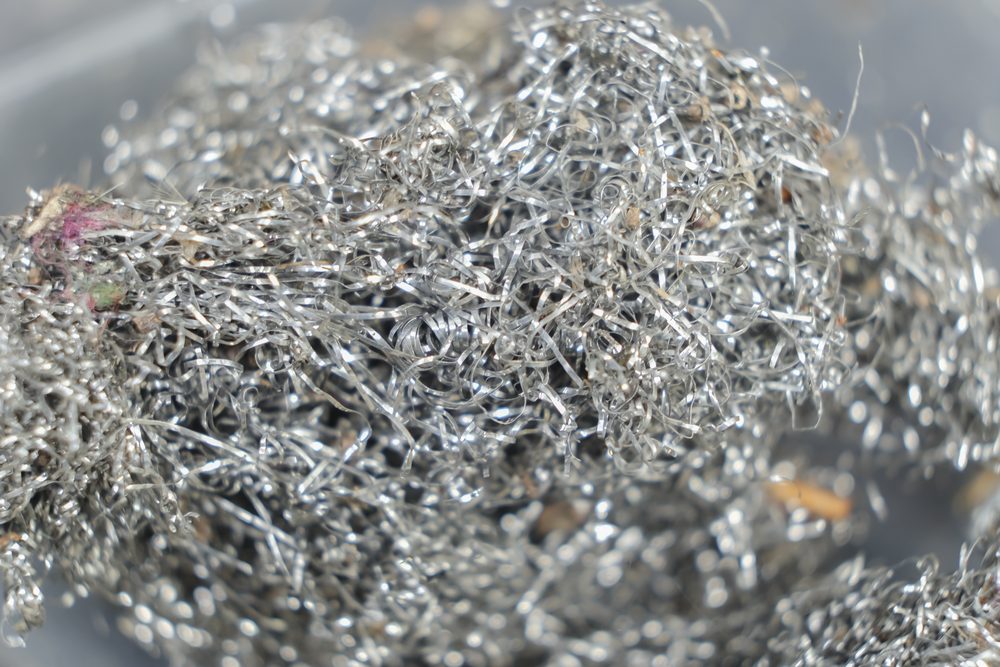
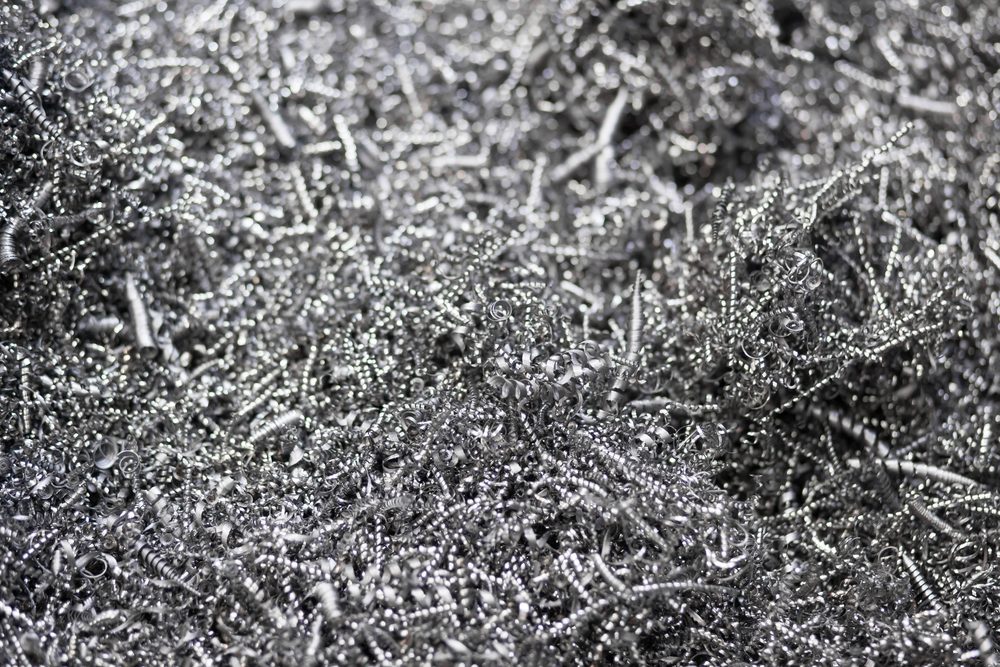
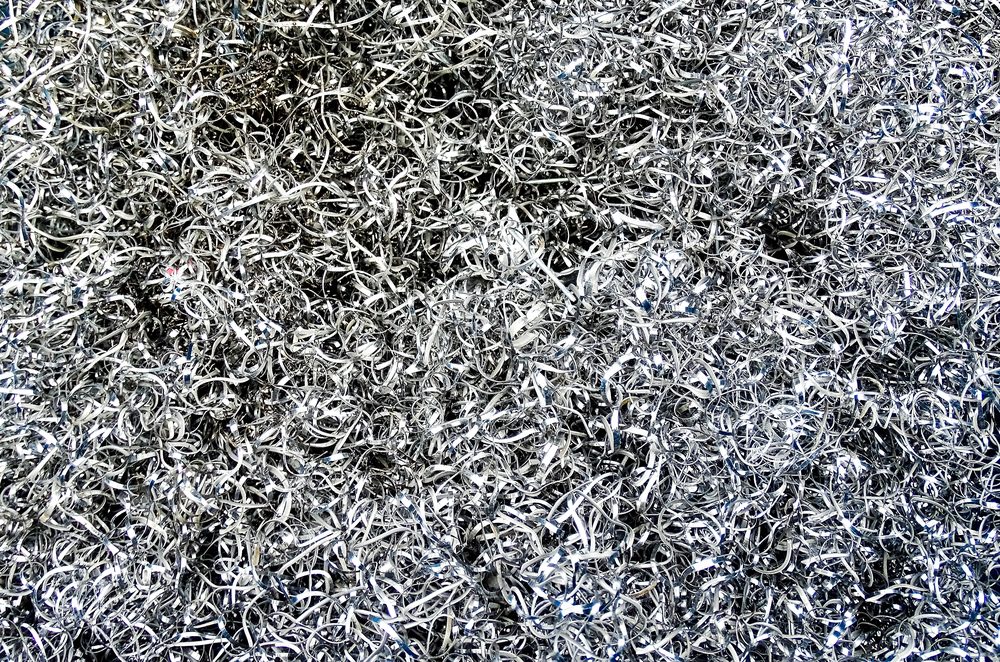
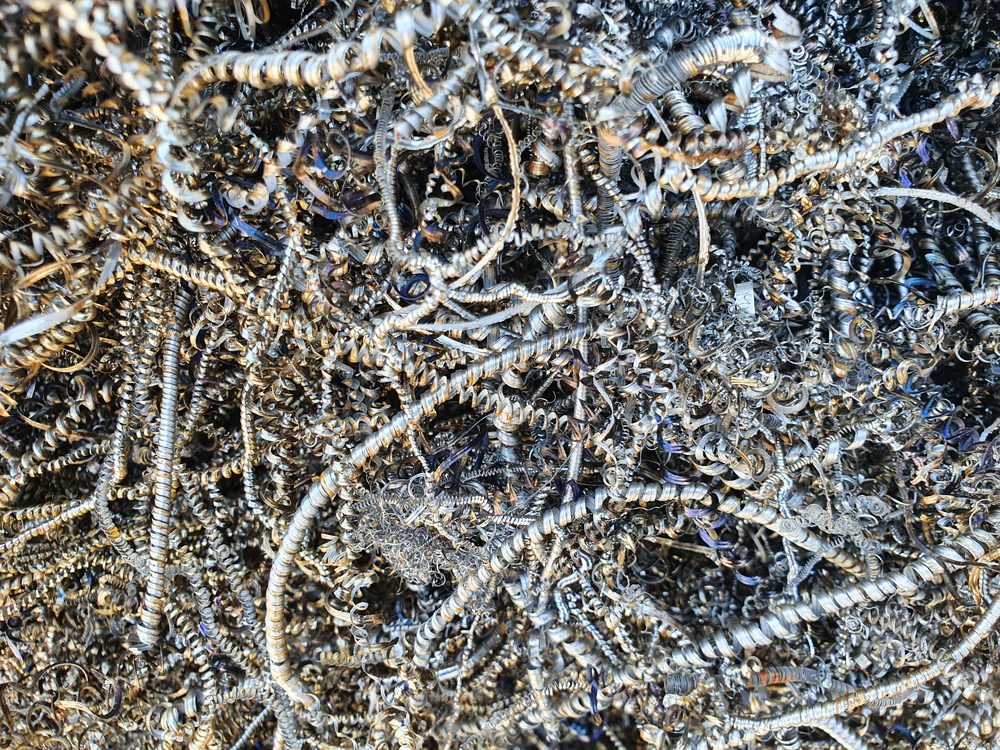
Stainless Swarf (Turnings)
conditions
- non-magnetic
- stainless machining turnings
- drained of oil & coolant
- grade kept separate
- no contamination:
- ferrous attachments
- oil or coolant
examples
- 304 / 316 turnings
- lathe & mill swarf
- fabrication offcuts
still not sure what you've got?
Not sure if it's 304, 316 or even stainless at all? Bring it in or send a photo — we grade it on the spot. No obligation.
the recycling process
how stainless is recycled
Stainless steel is endlessly recyclable, and recycling keeps its valuable nickel and chromium in circulation. Here's what happens to your stainless once it arrives at our yard.
1
grading
Every stainless load is graded to identify its type — 304 or 316 — because the grade determines its value. We separate grades and pull out any mild steel or contamination.
2
sorting & consolidation
Sorted grades are kept separate and consolidated. Mixed or irony stainless is separated so each stream meets export and mill specifications.
3
processing
Material is sheared, baled, or packed to furnace-ready spec, with grades kept distinct so their nickel value is preserved.
4
export & melting
Stainless is melted and recast into new stainless stock — keeping its nickel and chromium in the loop rather than mining more.
maximise your return
How to Prepare Your Stainless Steel
Sorting is everything with stainless. A few minutes keeping grades separate can lift your payout significantly.
- Sort 304 from 316: 316 pays more thanks to its molybdenum and higher nickel content. Mixed loads are paid at the lowest grade present.
- Keep mild steel out: A steel bracket or fixing turns valuable stainless steel into an irony load. Remove attachments where you can.
- Drain turnings: Stainless steel swarf should be free of oil, coolant, and mild-steel swarf, and kept to a single grade where possible.
- Not sure of the grade? Do not guess, as we grade it on the spot. A magnet is only a rough guide because work-hardened 304 can be slightly magnetic.
Pro tip: Fabricators and commercial sites with regular stainless steel should ask our team about scrap metal bin hire and dedicated, grade-separated collection. Sorted stainless steel at volume earns the best rates.
sustainability
Why Recycle Stainless Steel?
Recycling stainless keeps nickel and chromium — both energy-intensive to mine and refine — in productive use. Every tonne recovered displaces virgin alloy production and its much larger footprint.
∞
endlessly recyclable
Stainless can be melted and recast infinitely without losing quality — its nickel and chromium stay in the alloy.
Ni + Cr
kept in the loop
Recycling recovers the nickel and chromium locked in stainless, avoiding fresh mining of two scarce, high-value metals.
60%+
typical recycled content
New stainless steel is made with a high share of recycled scrap, making sorted stainless a genuinely circular material.
When you recycle stainless steel with Endless, your scrap becomes new stainless stock, keeping valuable nickel and chromium in service while supporting a circular economy.
what we pay
Pricing: What We Pay
Stainless steel pricing is driven by the London Metal Exchange (LME) nickel price, the specific grade, and the NZD/USD exchange rate. Because grade matters so much, we grade and quote each load rather than applying a single ferrous rate, ensuring you receive an accurate price of stainless metal every time.
grade & nickel content
316 (marine) pays the most, then 304. The more nickel, the higher the value — which is why grade matters.
LME nickel price
Stainless tracks the global nickel market, which can move sharply. When nickel rises, sorted 304 and 316 rise with it.
sorting & cleanliness
Cleanly sorted, single-grade stainless pays full value. Mixed or contaminated loads are discounted to the lowest grade present.
NZD/USD exchange rate
Nickel is priced in USD, so a weaker New Zealand dollar lifts local stainless prices.
For today's stainless prices, bring your material to your nearest yard for an on-the-spot grade, visit our pricing page, or call our team. Instant quotes, no obligation.
still have questions?
Find what you’re looking for in the FAQs below.
Stainless is priced mainly on its nickel content and the LME nickel price, plus the exchange rate. 316 (marine) pays the most, then 304. See the pricing page or call 0800 44 88 99 — we grade on the spot.
304 is standard 18/8 stainless at around 8% nickel. 316 is marine grade with added molybdenum and higher nickel (around 10%), so it resists corrosion better and pays more. Keep them sorted to get the best price for each.
It depends on the grade. Austenitic 304 and 316 are usually non-magnetic (though work-hardening can make 304 slightly magnetic). A magnet is only a rough guide — we grade on the spot to confirm the grade.
Because of the nickel and chromium it contains. Those alloying metals are valuable and energy-intensive to mine, so recovered stainless is priced well above ordinary ferrous scrap — and on its nickel content, not just its weight.
Separate 304 and 316, and keep mild steel and other attachments out. A mixed load is paid at the lowest grade present, so sorting is the single biggest thing you can do to lift your return.
Yes. Keep stainless swarf drained of oil and coolant, free of mild-steel swarf, and to a single grade where possible — that keeps it at full value.
We grade stainless on the spot to identify the type and nickel content before pricing it, so you're paid for exactly what you have rather than a guess.
Both yards — Onehunga and Wairau Valley — grade stainless on the spot. Drive in during business hours; no appointment needed.
Yes — stainless is fully recyclable and highly valued because recycling keeps its nickel and chromium in circulation. It can be remelted indefinitely without losing quality.
ready to sell your stainless?
call us, email us, or drop into either yard. We grade on the spot and pay same day.