
© 2026 Endless Holdings Limited® · Licensed Secondhand Dealer · Web Development by Graphic Detail NZ Ltd.
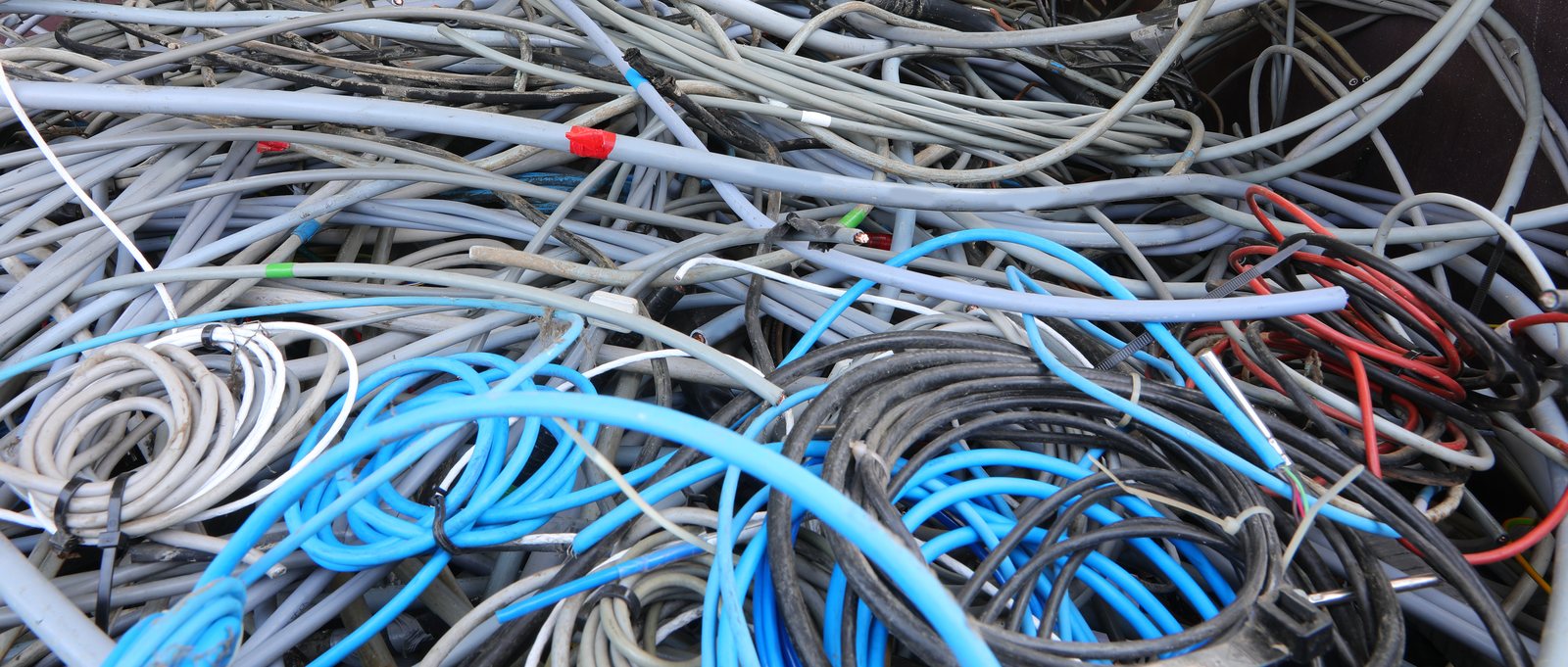
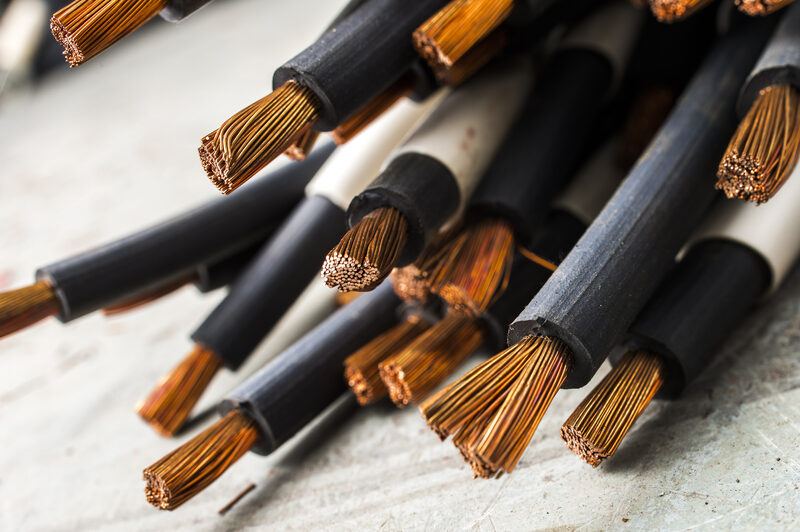
Endless buys insulated copper cable and wire across Auckland from both yards and processes it in-house at our Onehunga cable granulator. Bring us PVC-sheathed mains, XLPE, house and data wiring, car looms, lead-sheathed or steel-armoured stock and we will weigh it, grade it and pay you the matching $/kg rate on the spot, same day at both yards.
Visit either our scrap metal Onehunga yard or our Wairau Valley branch on the North Shore, and our team will take you through how your copper cable scrap prices are calculated.
Everything on this page is insulated cable — the granulator strips the coating to recover the copper inside. Bare, clean copper is a different story: bright & shiny is a separate, higher grade in its own right, priced on our copper page.
Priced weekly against London Metal Exchange (LME) copper. Graded at the scales. Paid same day.
what makes copper cable valuable?
Every metre of cable has two components that matter to scrap value: the copper conductor inside, and the insulation around it. The insulation — PVC, XLPE, rubber, lead, steel armour — has little to no scrap value, but it changes how much of the cable is actually copper by weight. A clean bare copper wire is ~99% Cu. A PVC-sheathed 16 mm² mains cable might only be 42% Cu. A car loom with connectors and plugs is down at 30% or less. We grade your cable at the scales and pay the matching $/kg rate — same call every time, conditions and photos for each grade published below.
 SiteWise Gold certified
 Toitū carbon reduce certified
 AMR & ReMA member
 Licensed secondhand dealer
the cable recycling process
how your cable becomes copper
Cable in, clean streams out — our Onehunga granulator separates every load into two recovered streams: copper granules and PVC. You're paid by grade at the scales. The granulator handles everything that comes after.
cable in
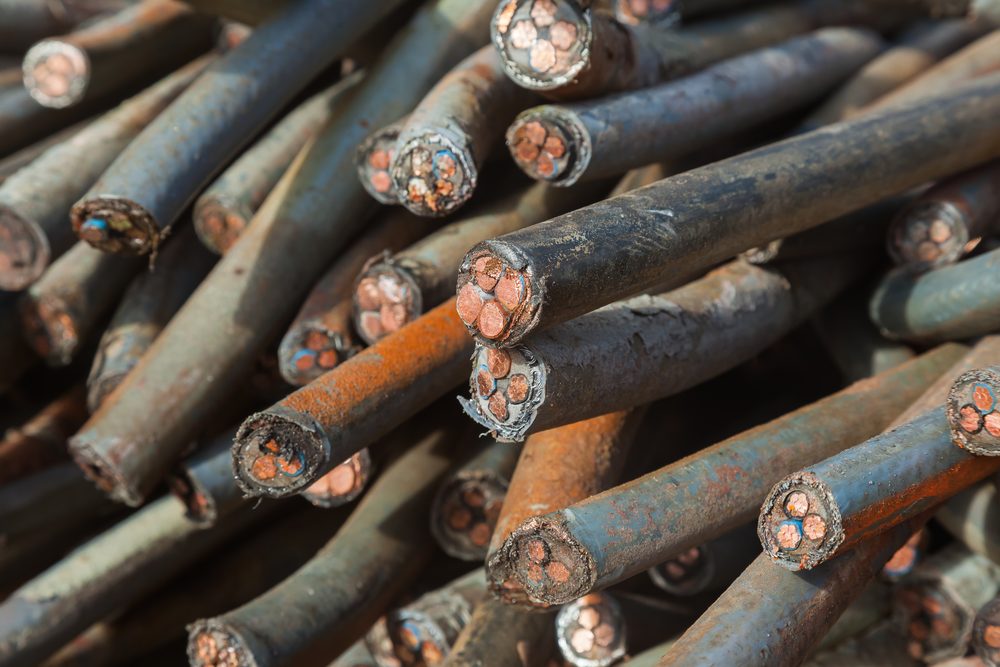
Mains, household, data, car looms, lead-sheathed, armoured — bring it however you've got it. Mixed loads are normal. You're paid by percentage grade at the scales before anything is processed — then it's fed into our Onehunga granulator. No heat, no chemicals, no burning.
arrives
pvc granules out
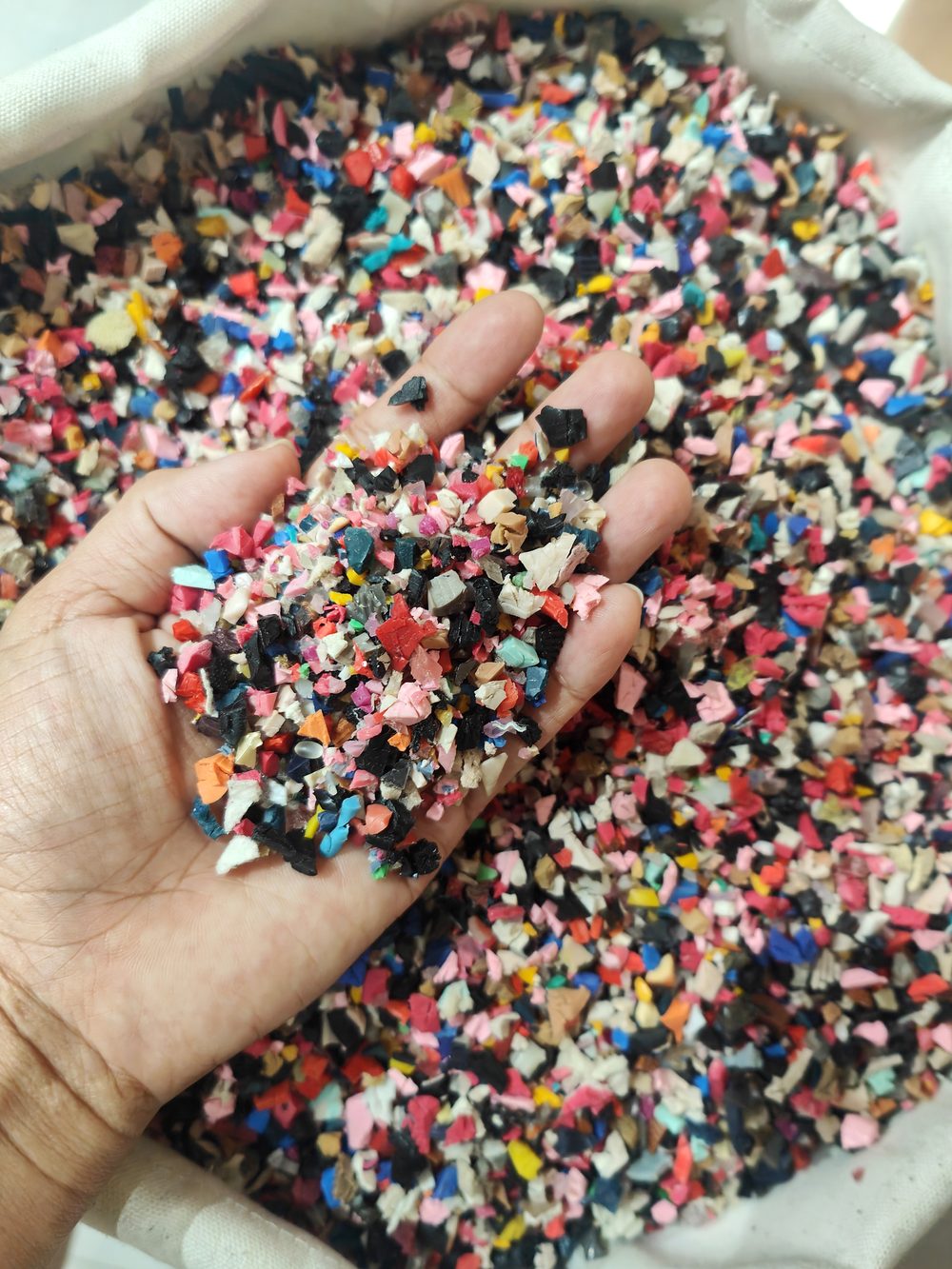
The granulator shreds the cable and a density table separates the insulation from the metal. Clean PVC granules are recovered separately from the copper — nothing burned.
recovered
copper granules out
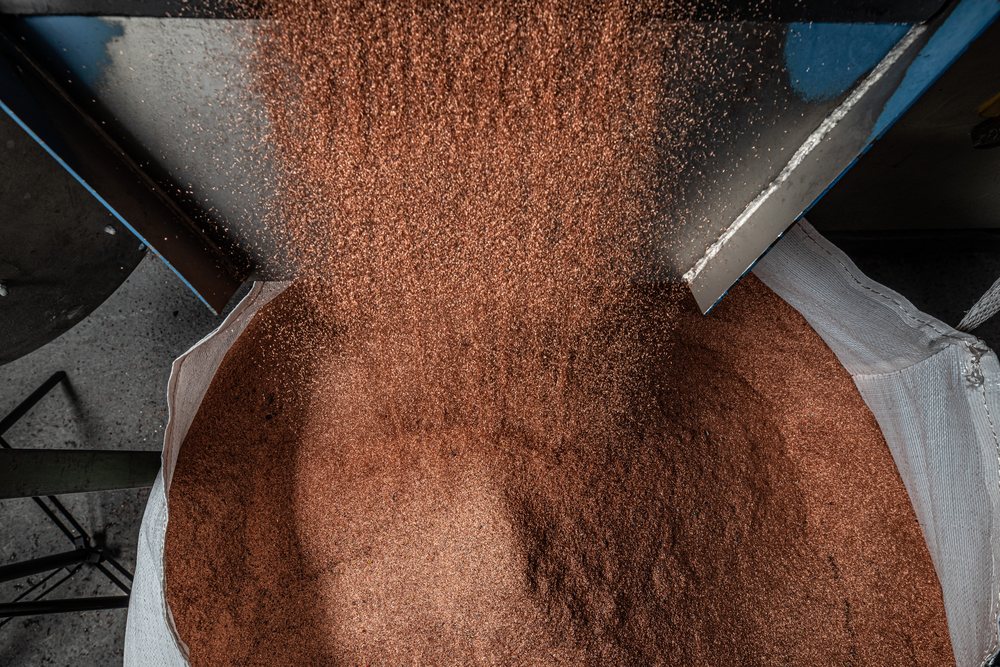
Clean copper granules — bright, uniform, graded for export and sold to international mills. Steel armour is magnetically pulled to the ferrous stream. The copper you dropped off, fully recovered.
ships out
Copper PVC 65% — Cable Grade
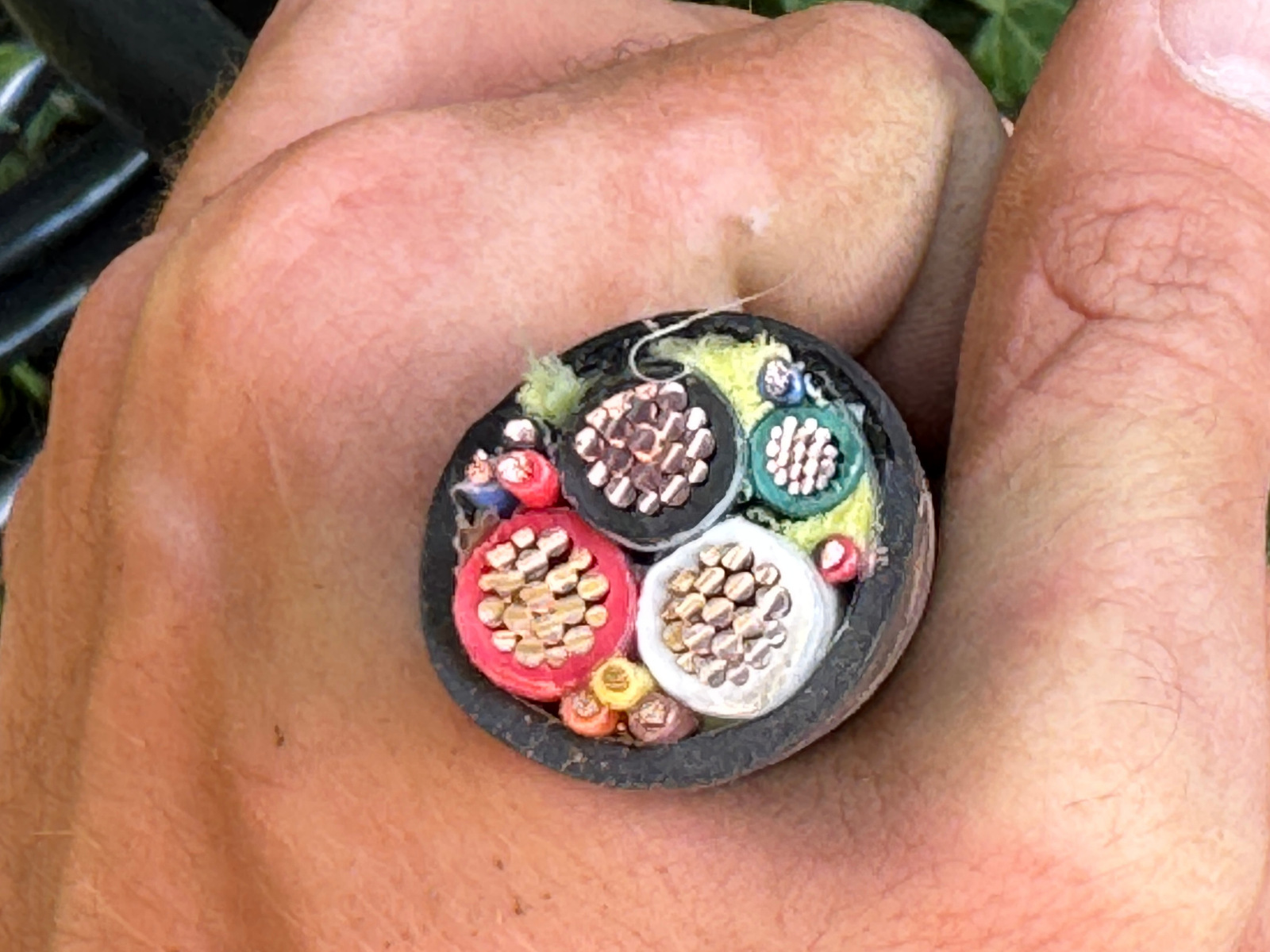
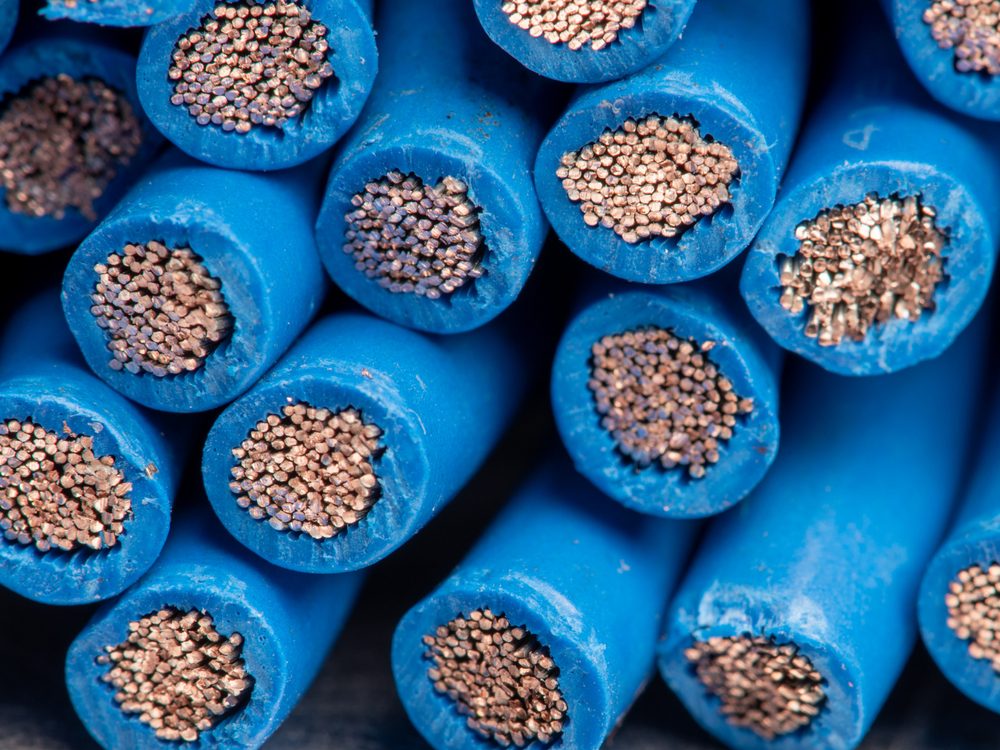
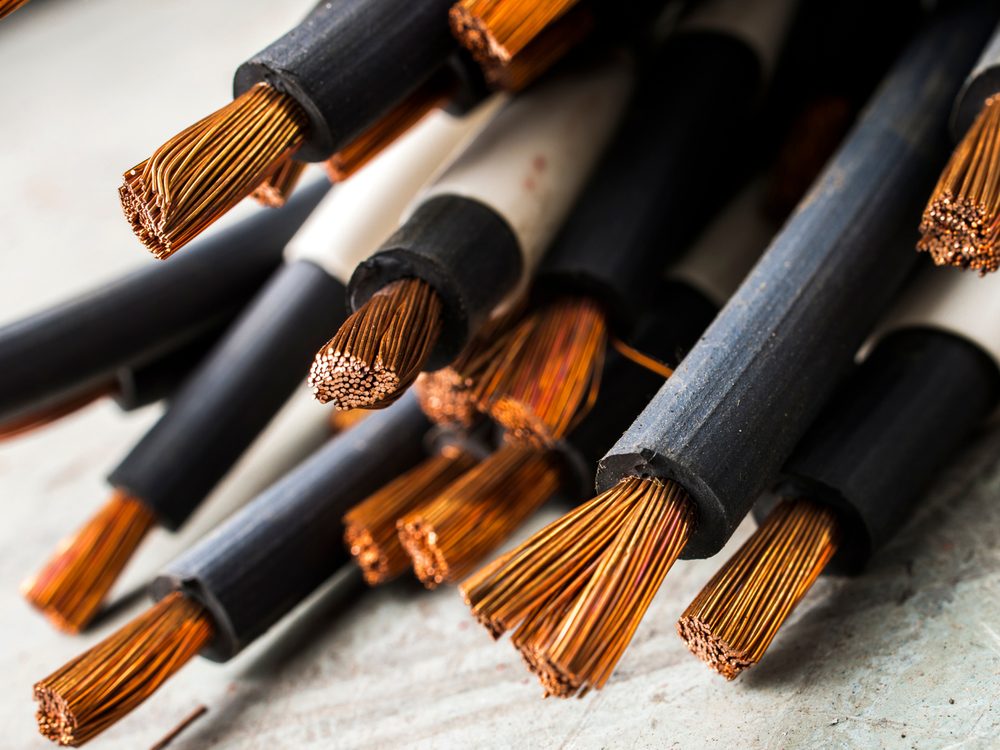
copper pvc 65%
conditions
- 65% copper content
- no contamination:
- grease / oil
- metal connectors
- plugs
- steel / lead armour
examples
- large power cables
- heavy single core
- heavy multi core cables
- welding cable
- automotive battery cable
Copper PVC 42% — Cable Grade
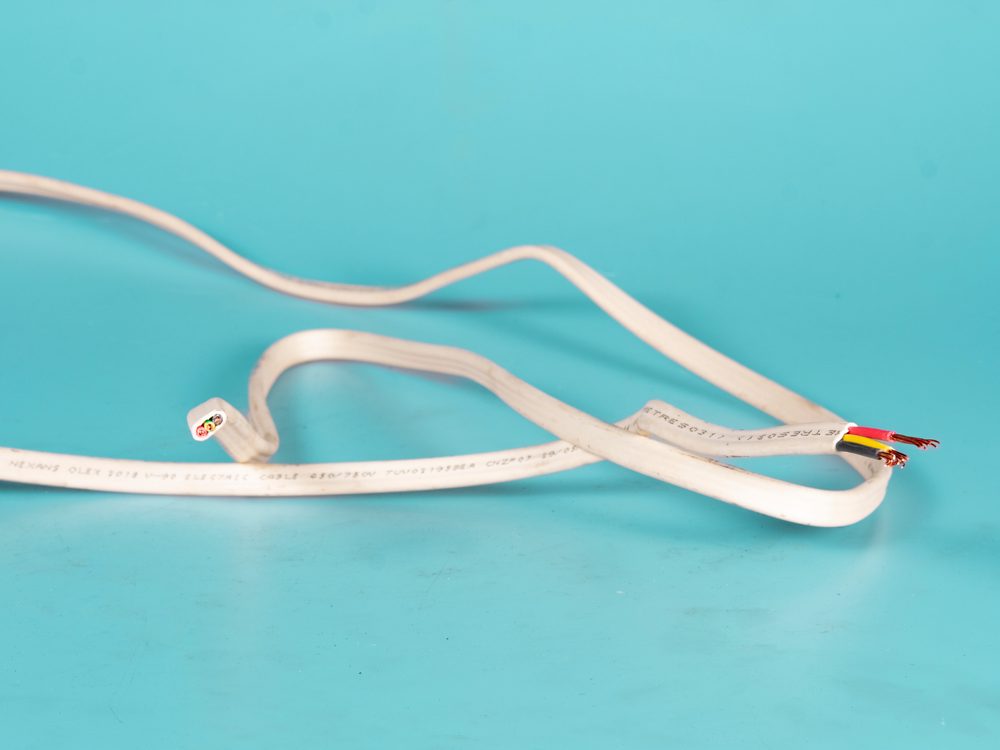
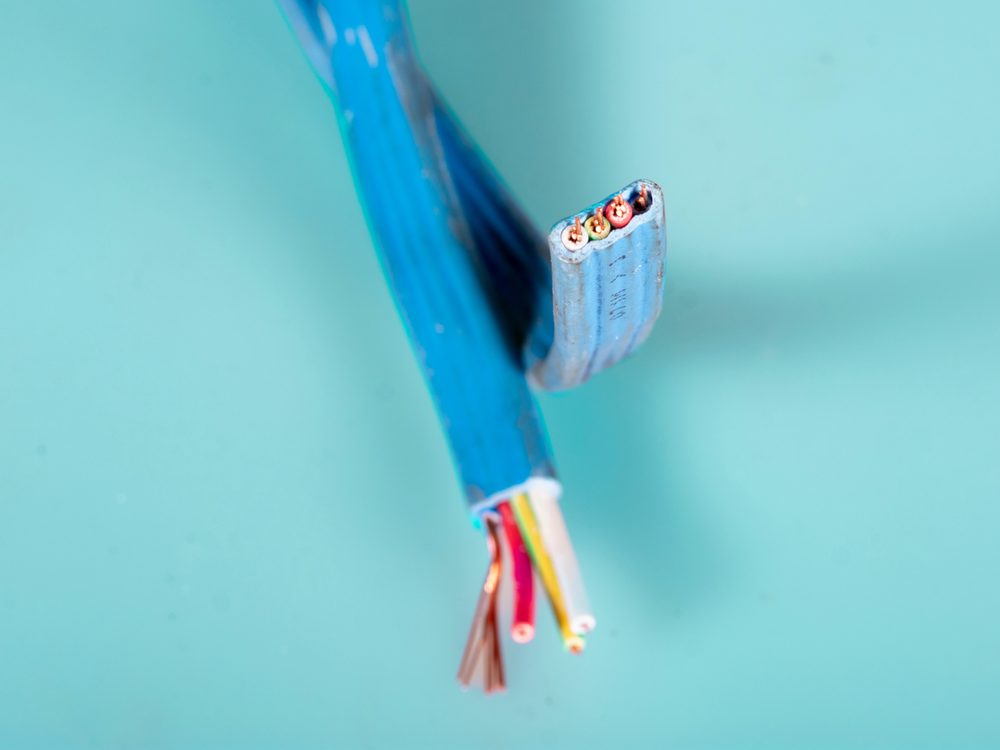
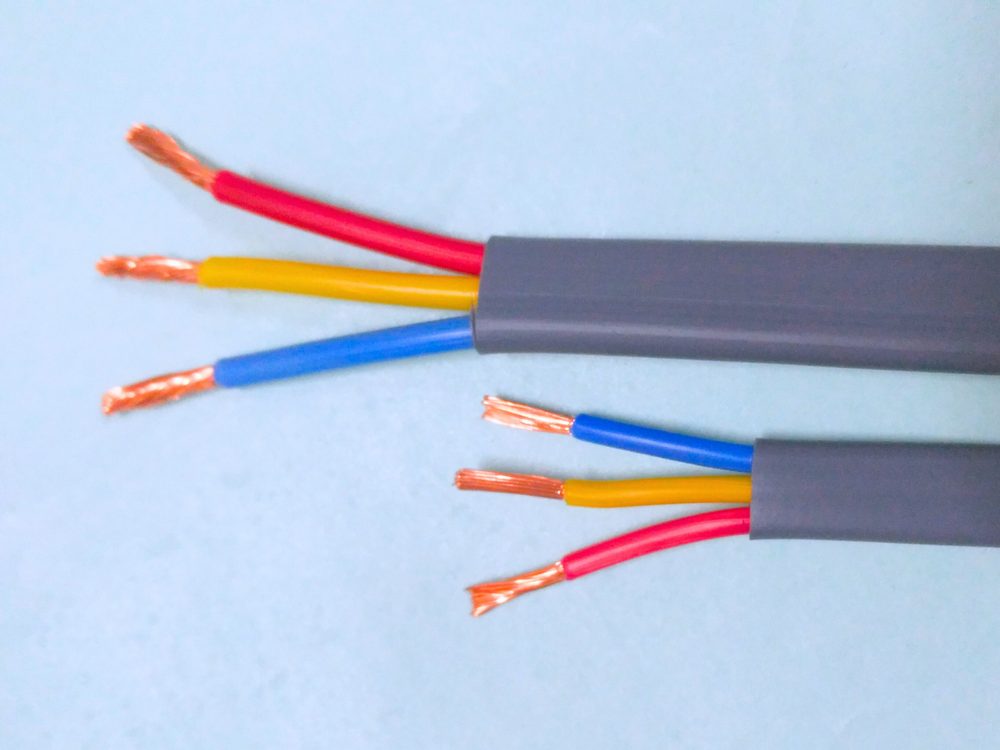
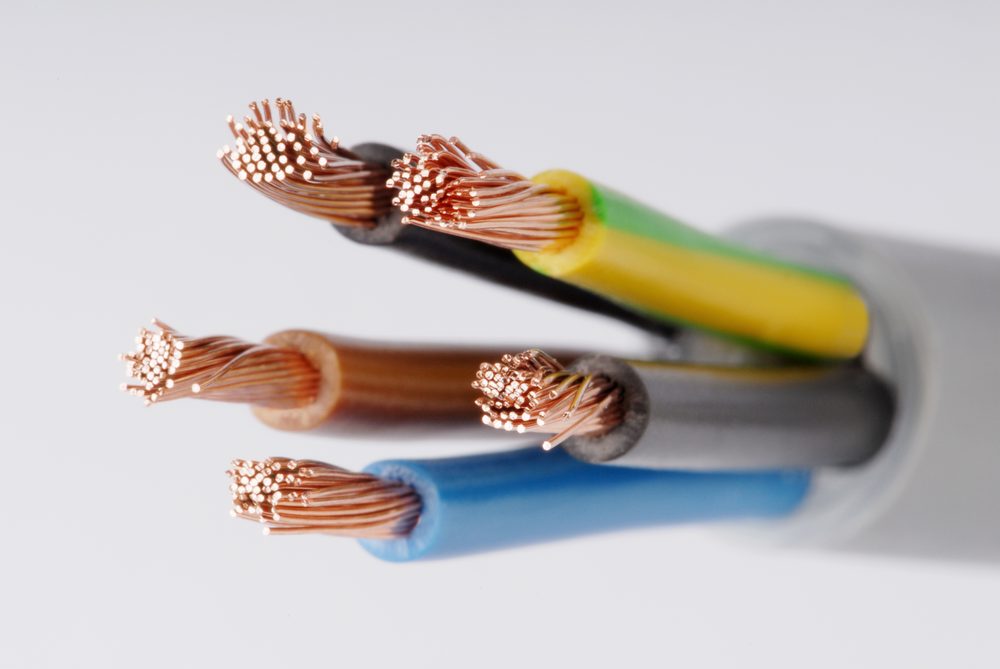
copper pvc 42%
conditions
- 42% copper content
- no contamination:
- grease or oil
- metal connectors
- plugs
- steel / lead armour
examples
- small gauge building wire
- light commercial wiring
- switchboard wiring
- common household wiring (TPS)
Copper PVC 30% — Cable Grade
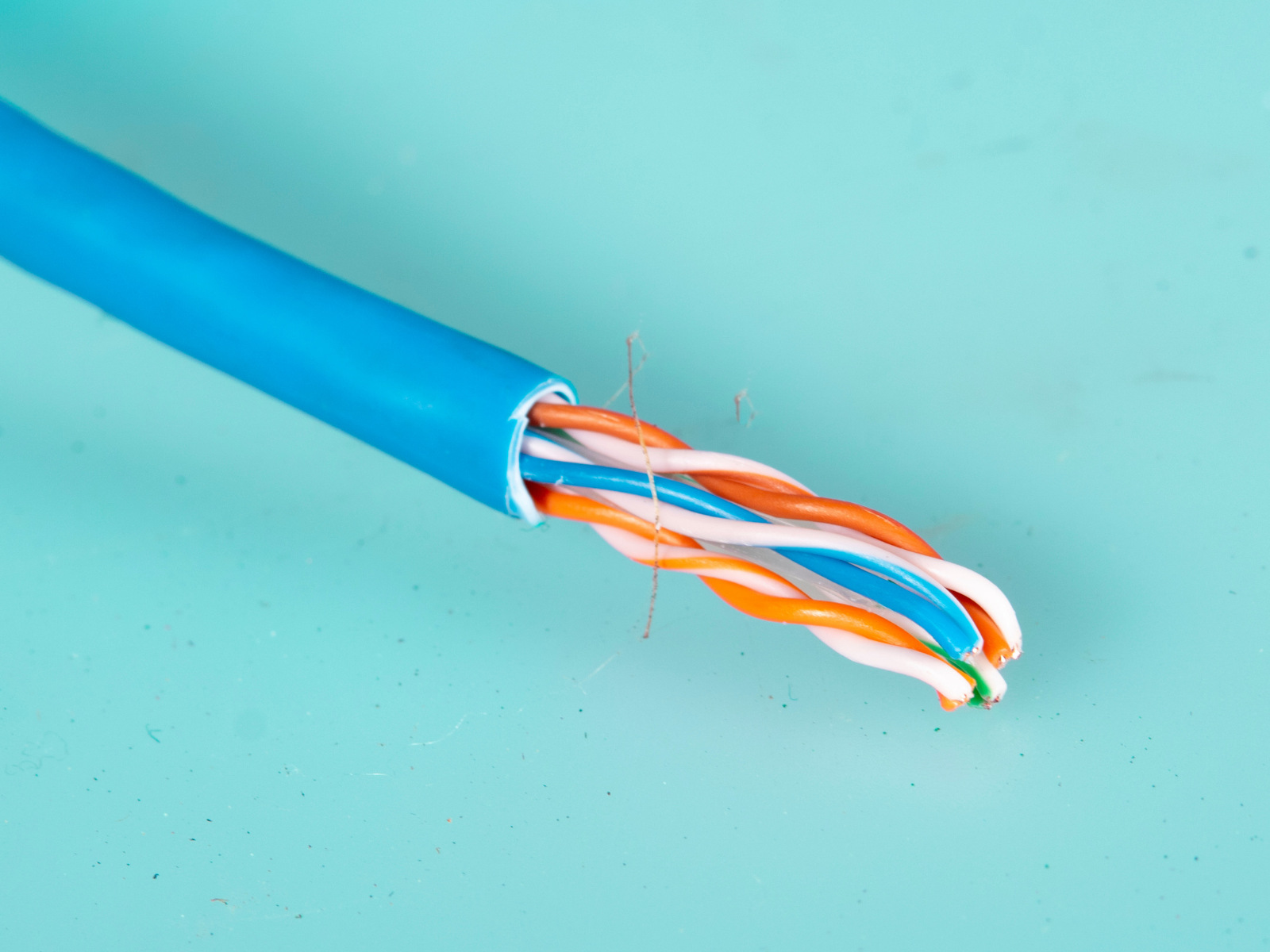
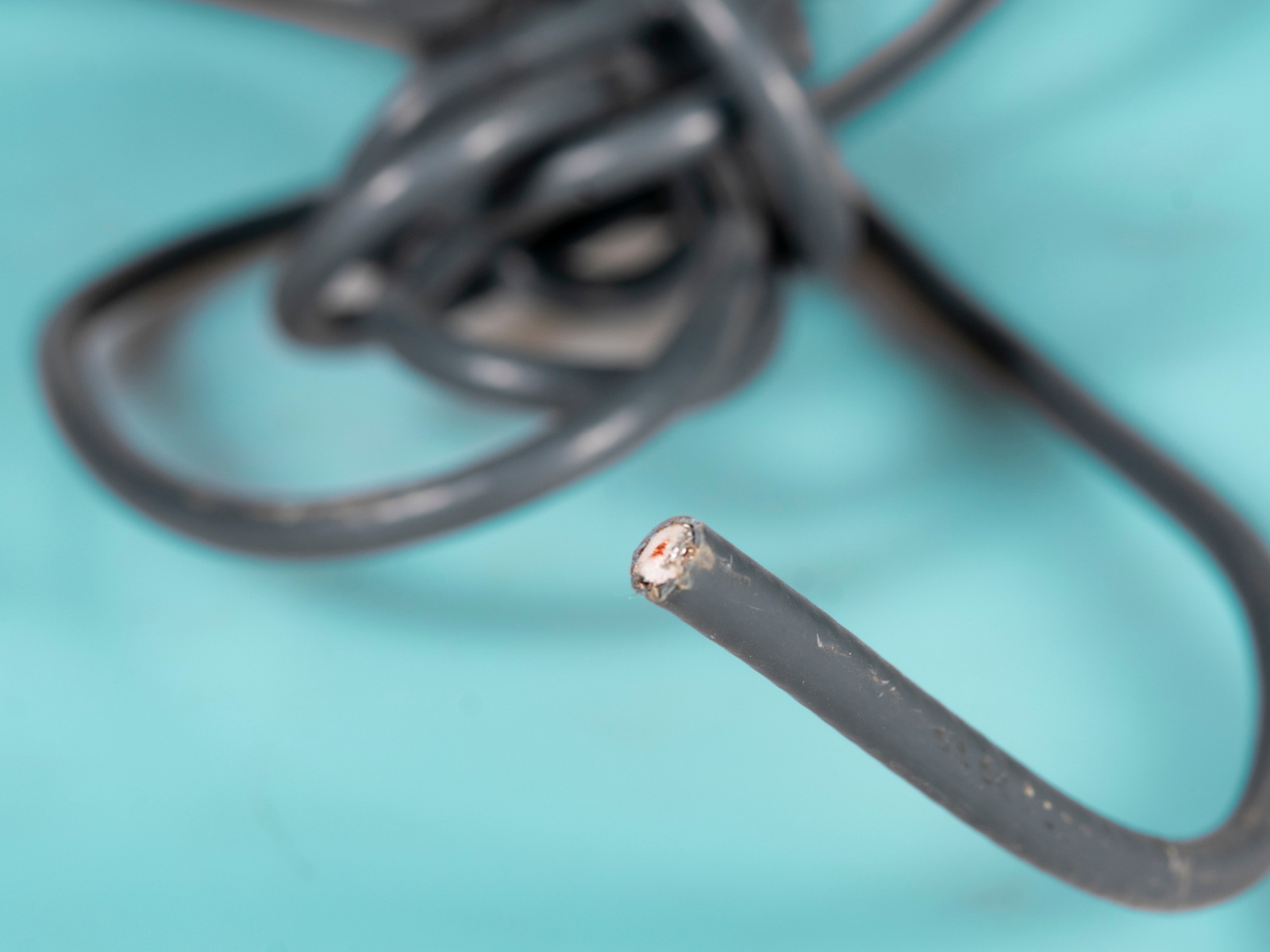
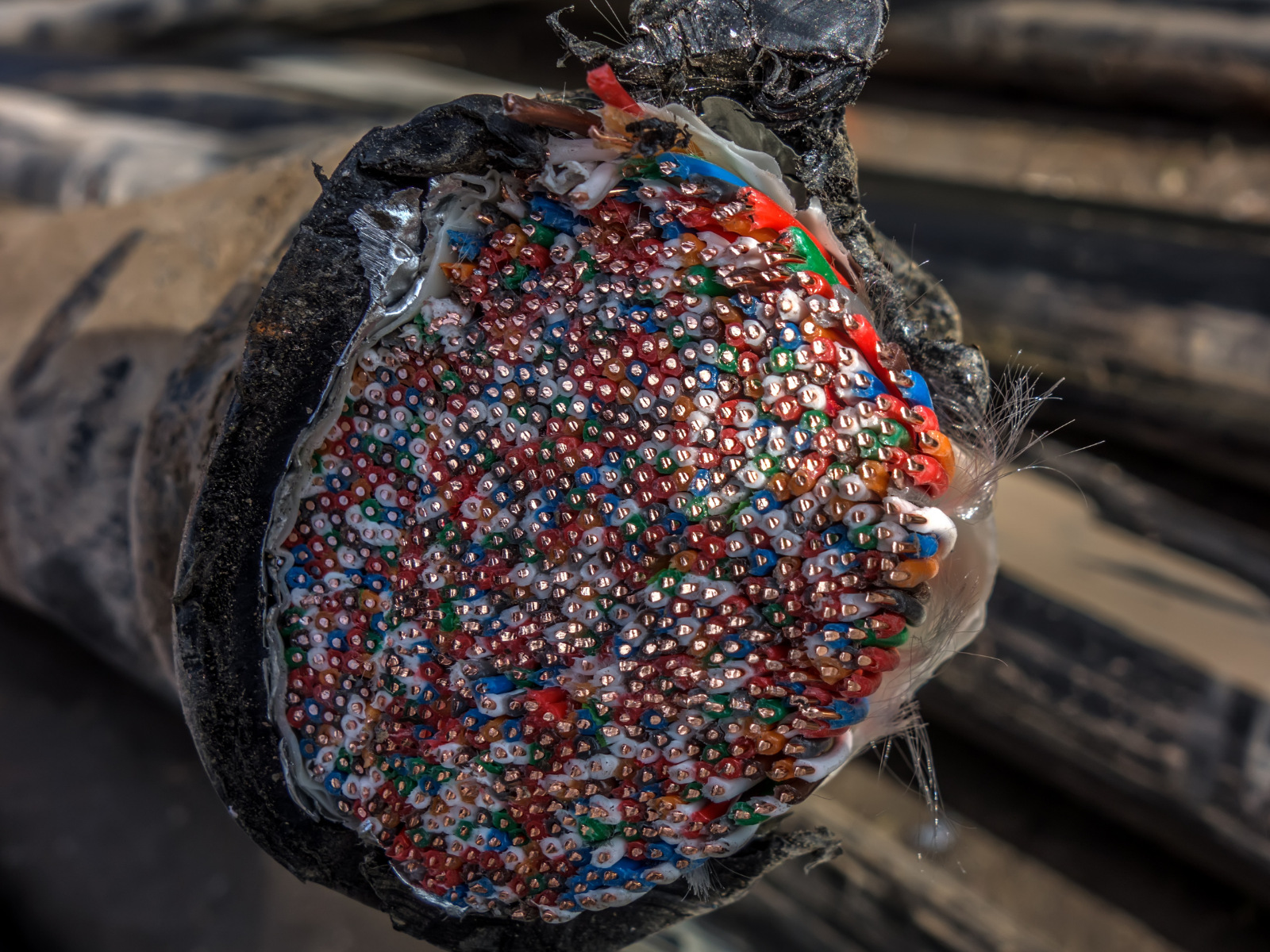
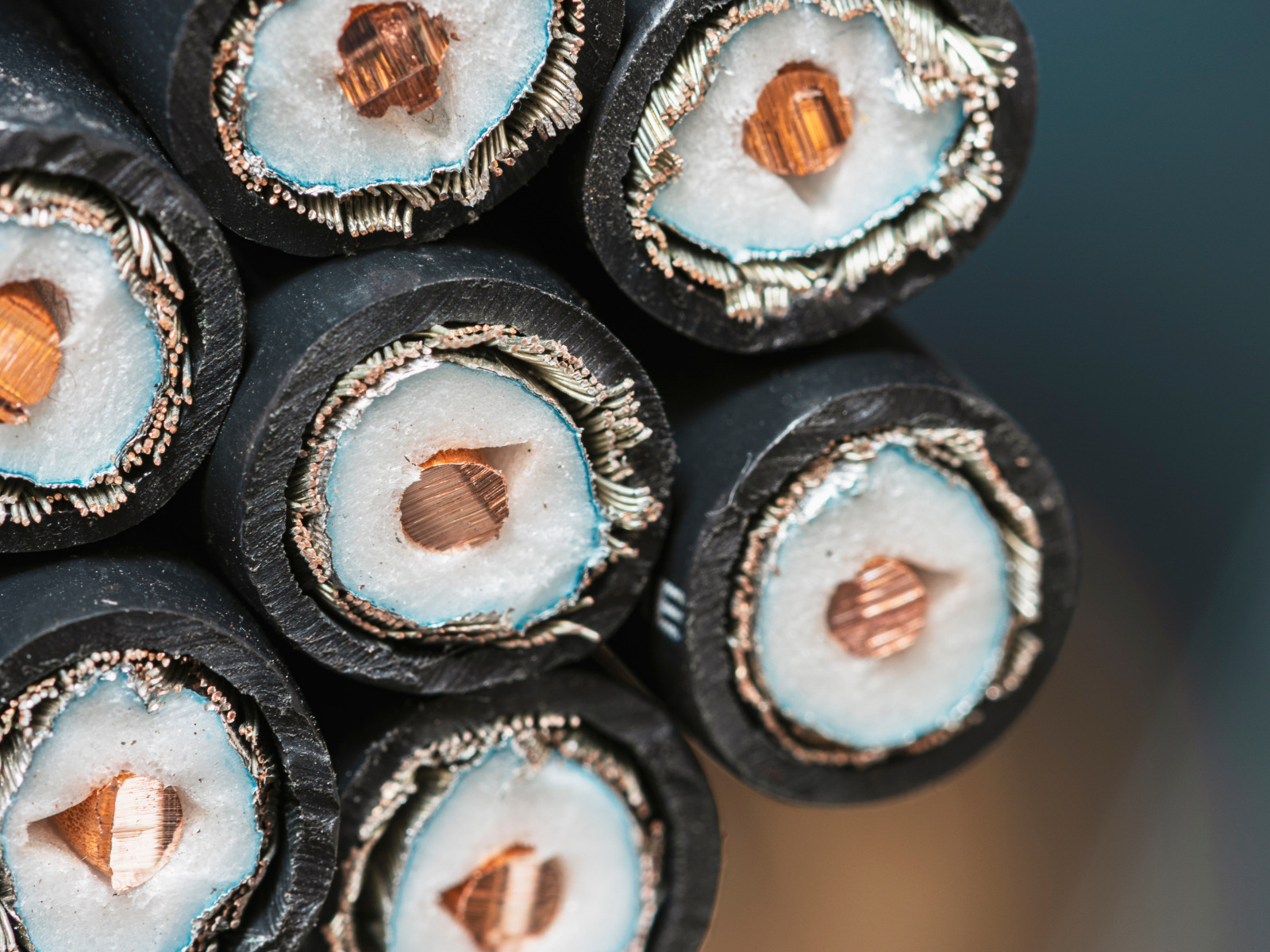
copper pvc 30%
conditions
- 30% copper content
- no contamination:
- painting / coating
- oxidisation
- solder
- steel / lead armour
examples
- small copper strands
- appliance leads
- telephone lines
- data cable
- common electrical cords
- aerial / coaxial cable
We do not buy fibre optic cable as it contains no copper or other recyclable metals
Copper PVC With Plug — Cable Grade
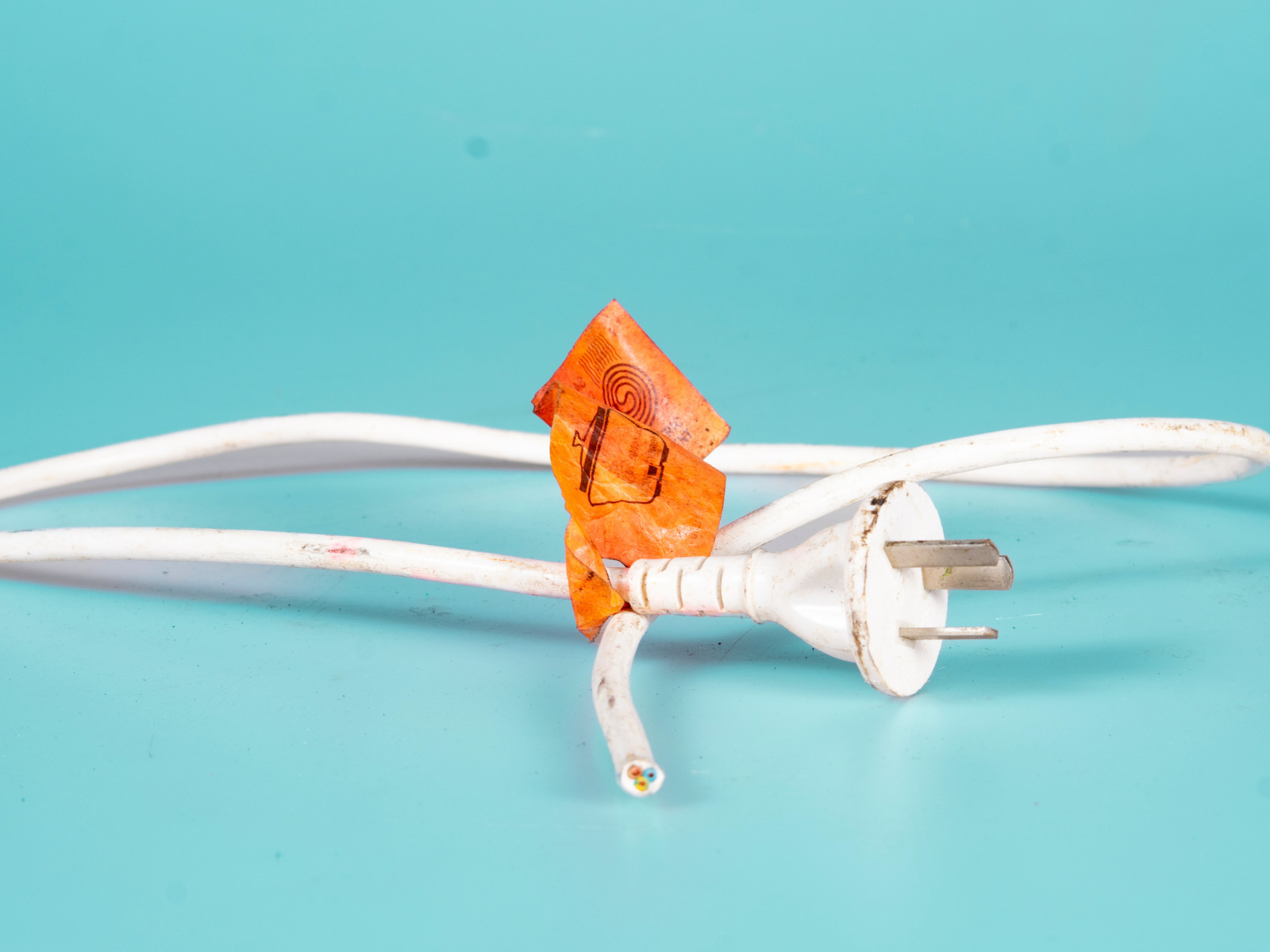
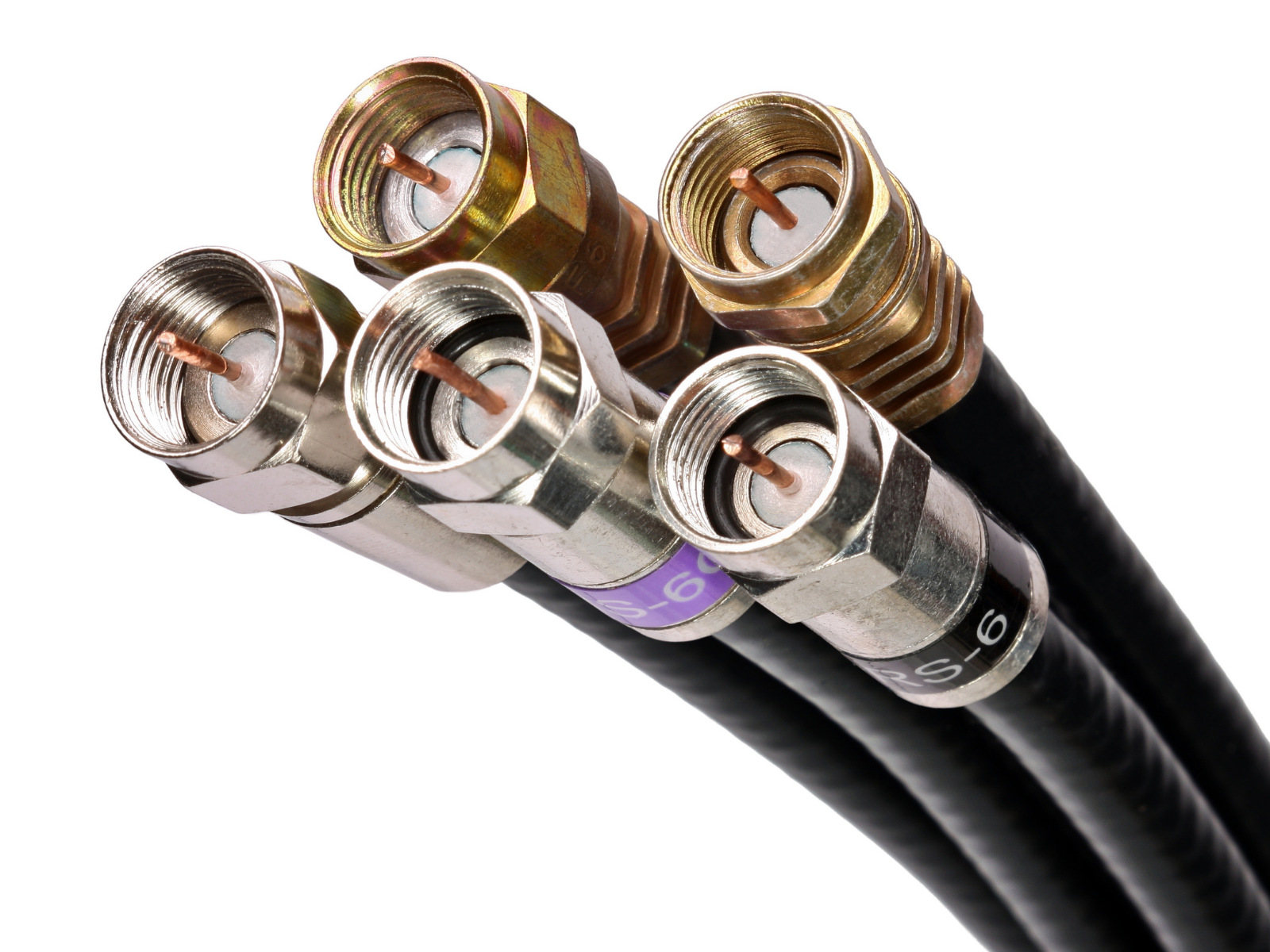
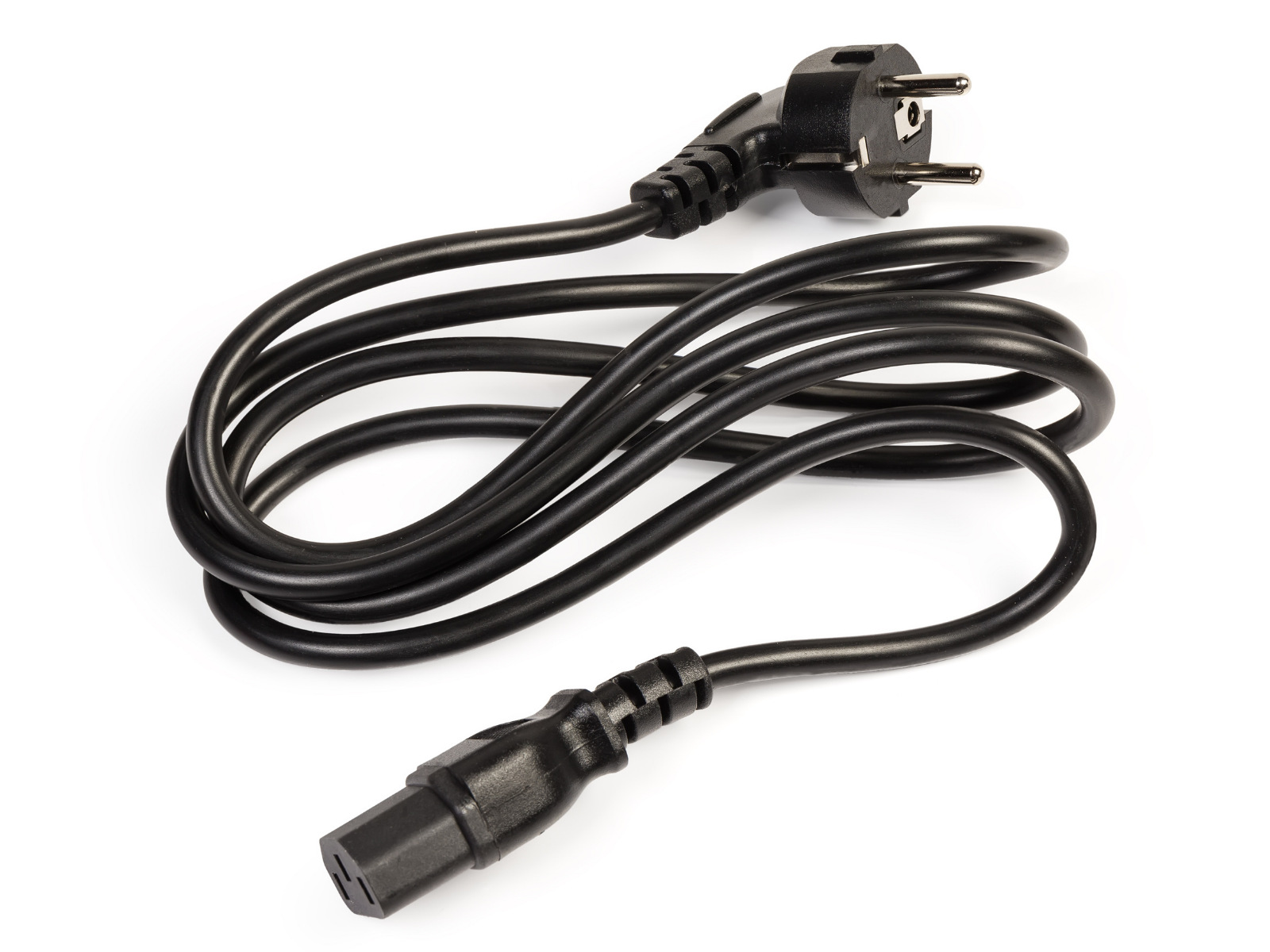
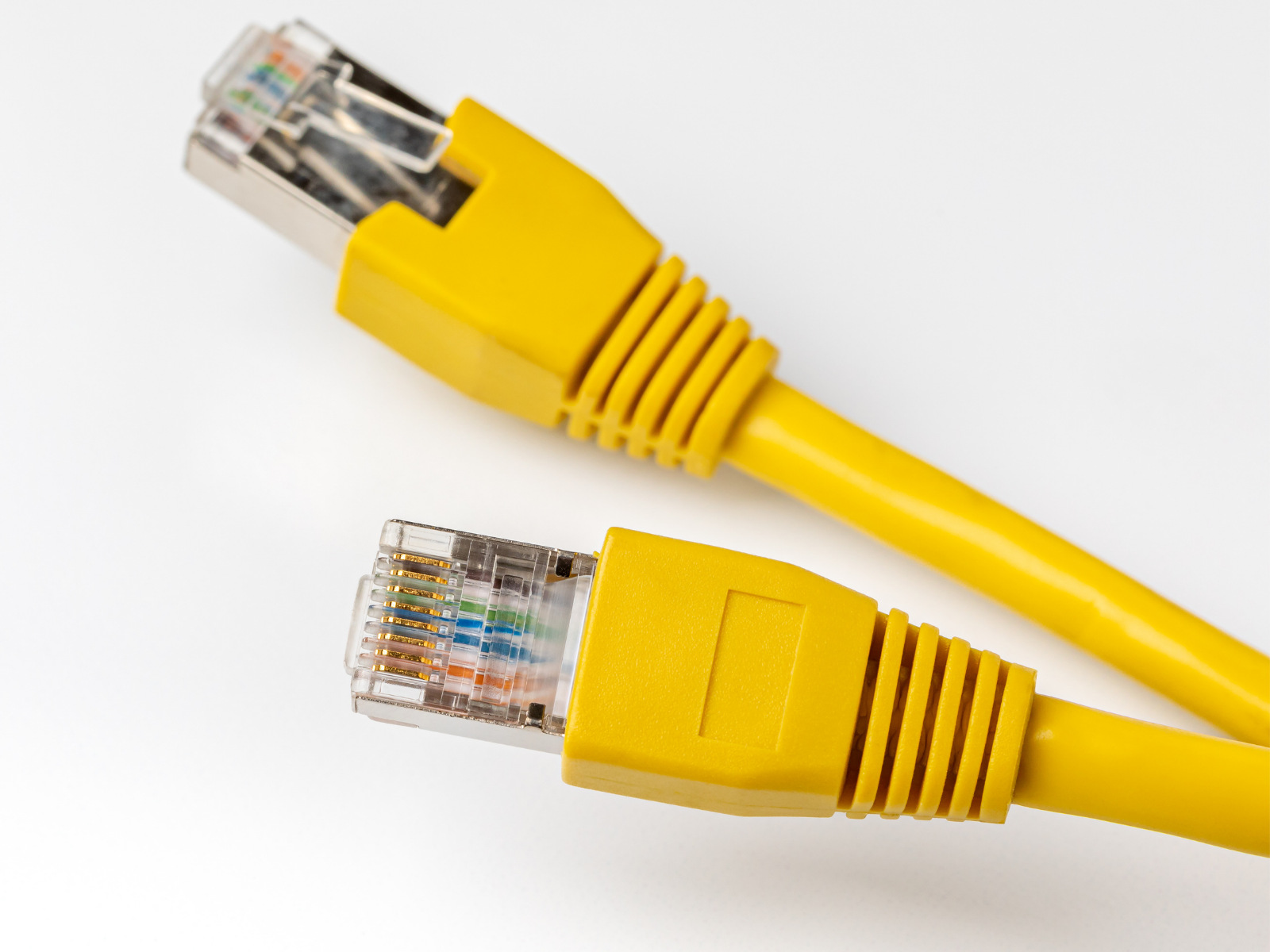
copper pvc w/ plug
conditions
- copper cables w/ plugs
- metal connectors
- data connectors
- GPO plugs
- no contamination:
- painting / coating
- oxidisation
- solder
examples
- appliance cables w/ plugs
- computer cables
- network cables
- household cables
- panel wires w/ terminals
Car Looms — Cable Grade
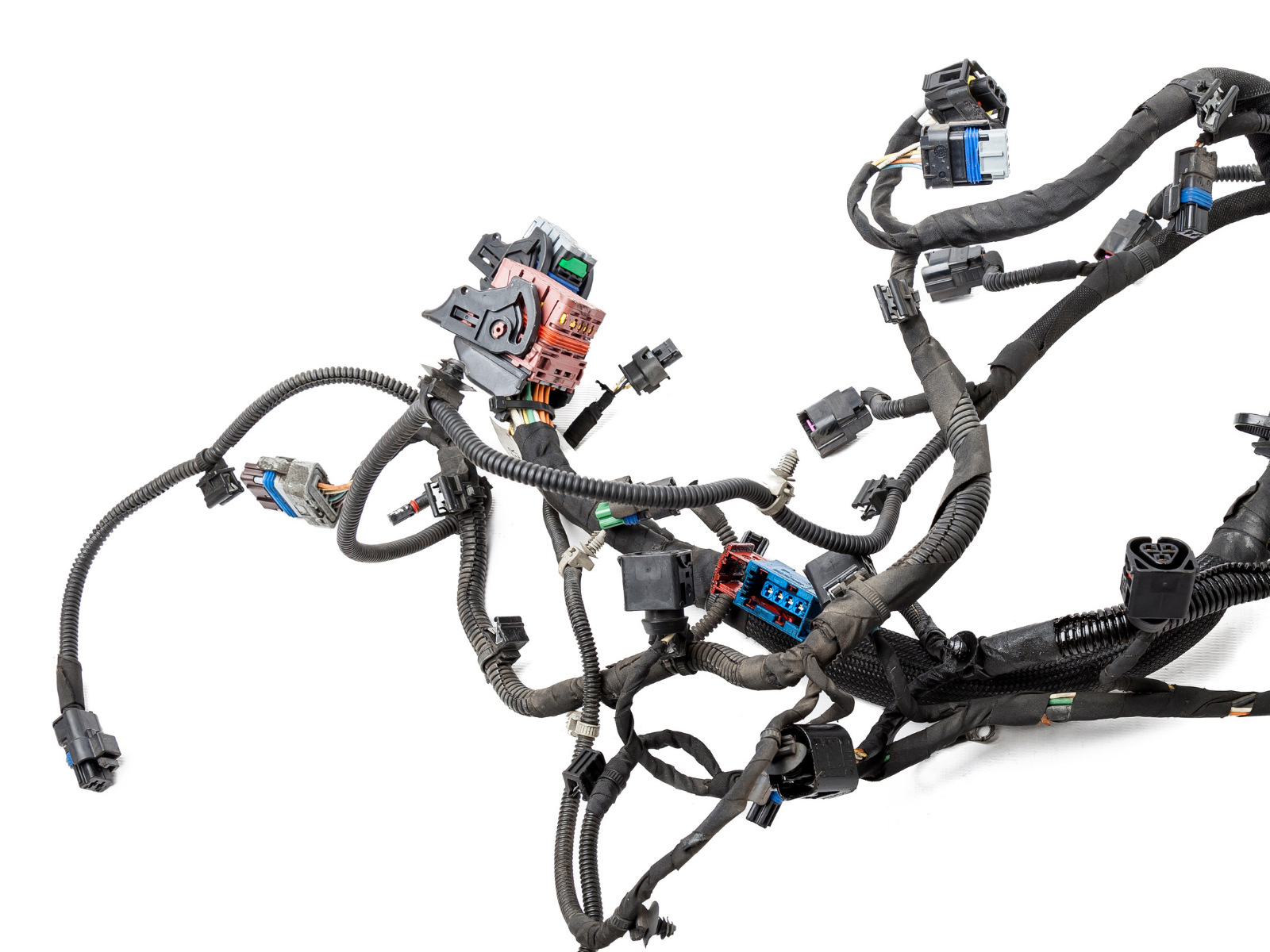
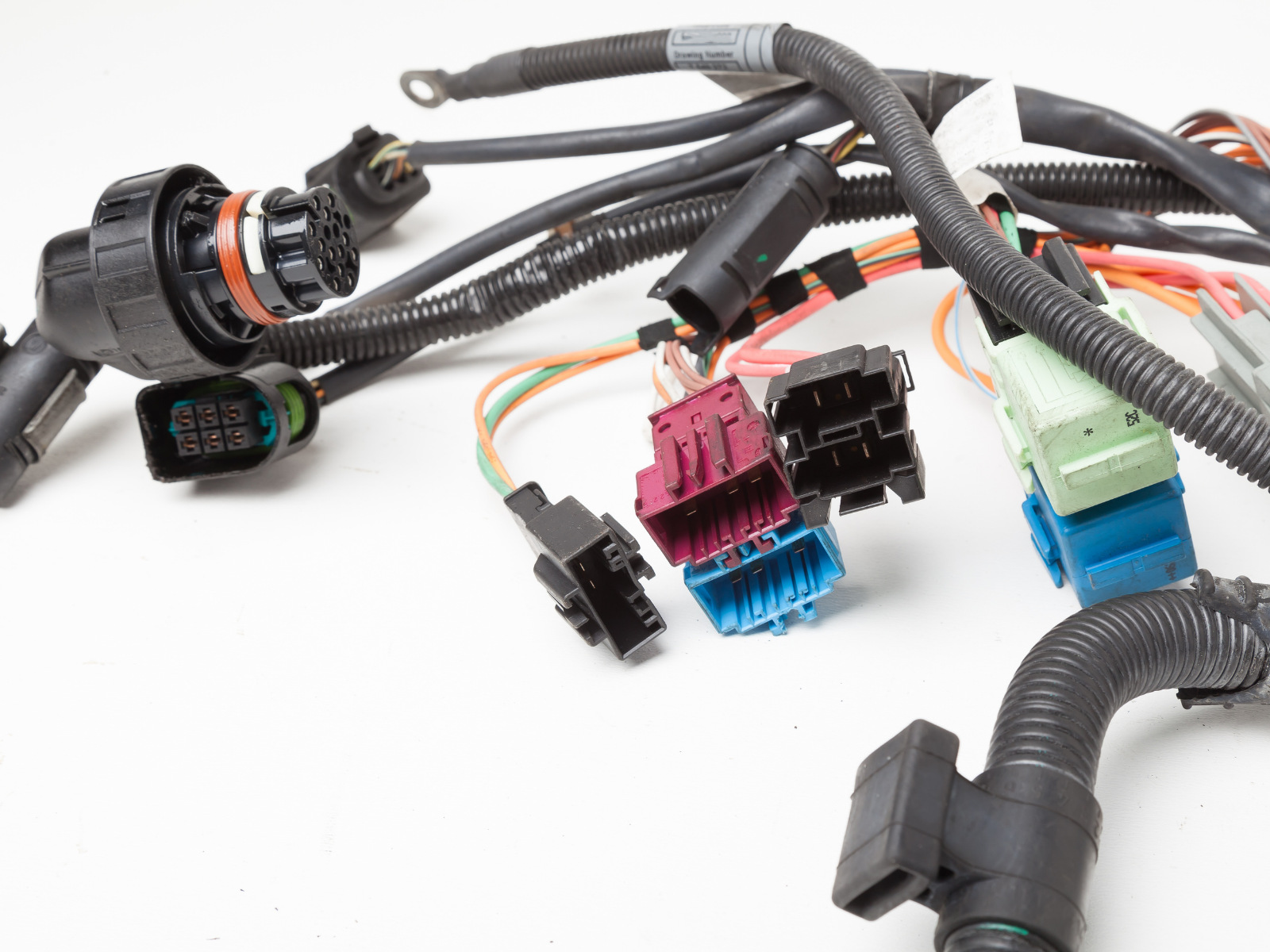
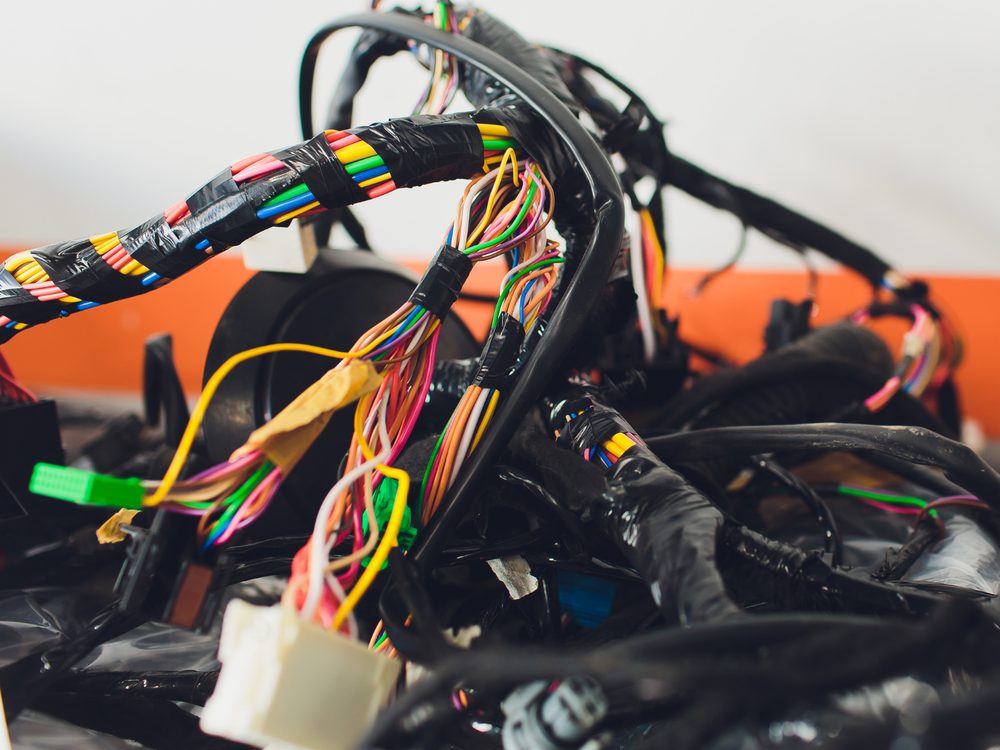
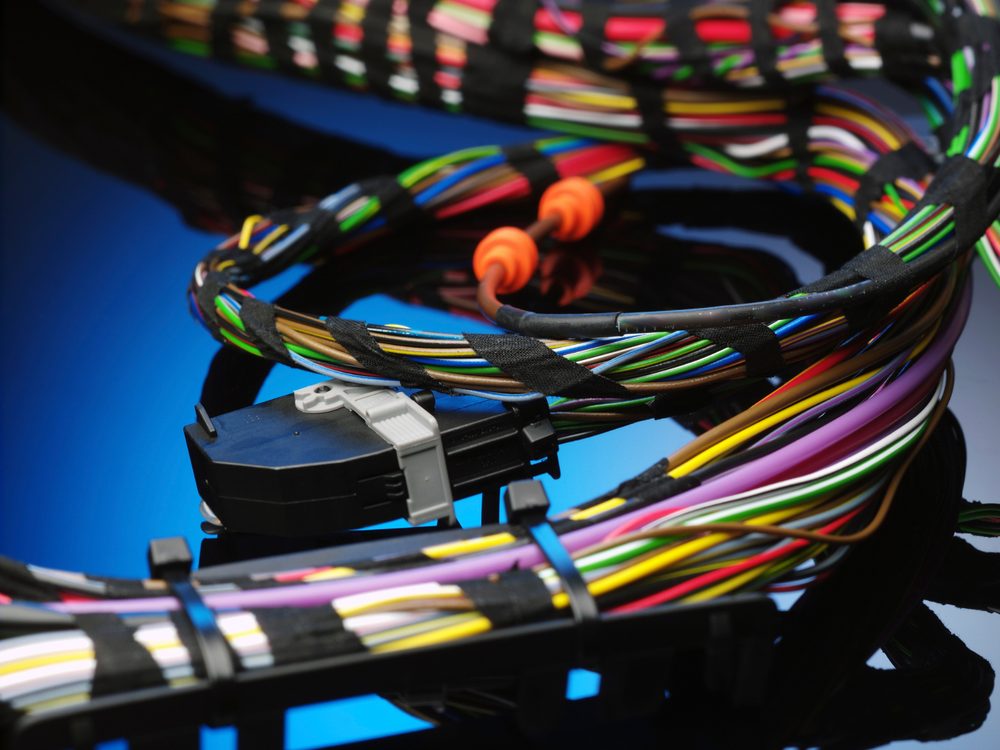
car looms
conditions
- automotive wiring harness
- has plugs and adaptors
- no contamination:
- dash attached
- computer attached
- relays or fuses
- steel attachments
- fan motors / blowers
examples
- vehicle looms
- motorcycle looms
- mobile machinery looms (excavators, forklifts, cranes / diggers)
Lead Sheathed Cable — Cable Grade
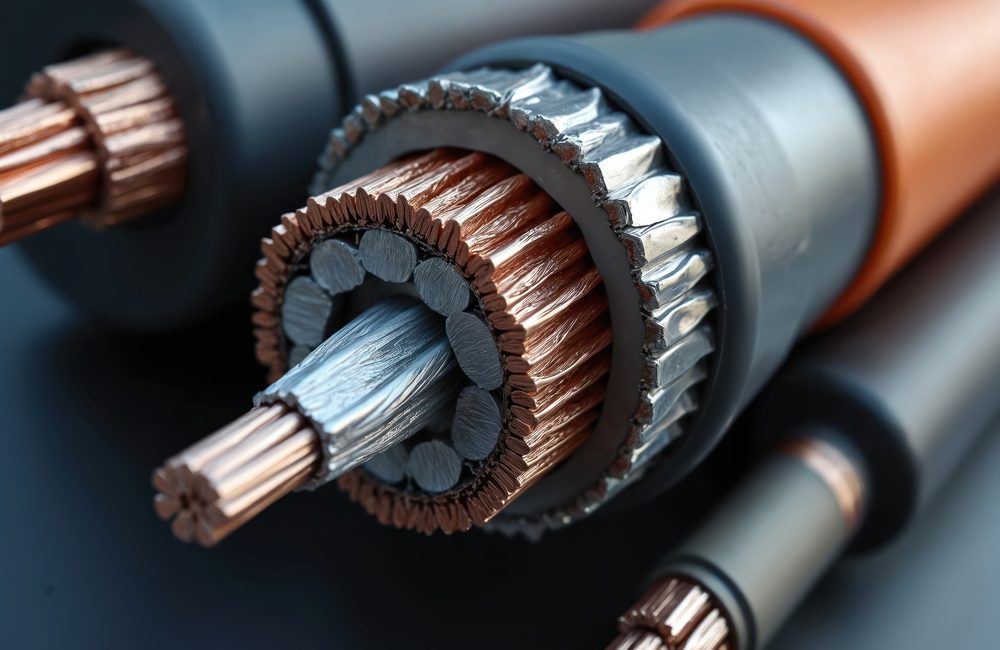
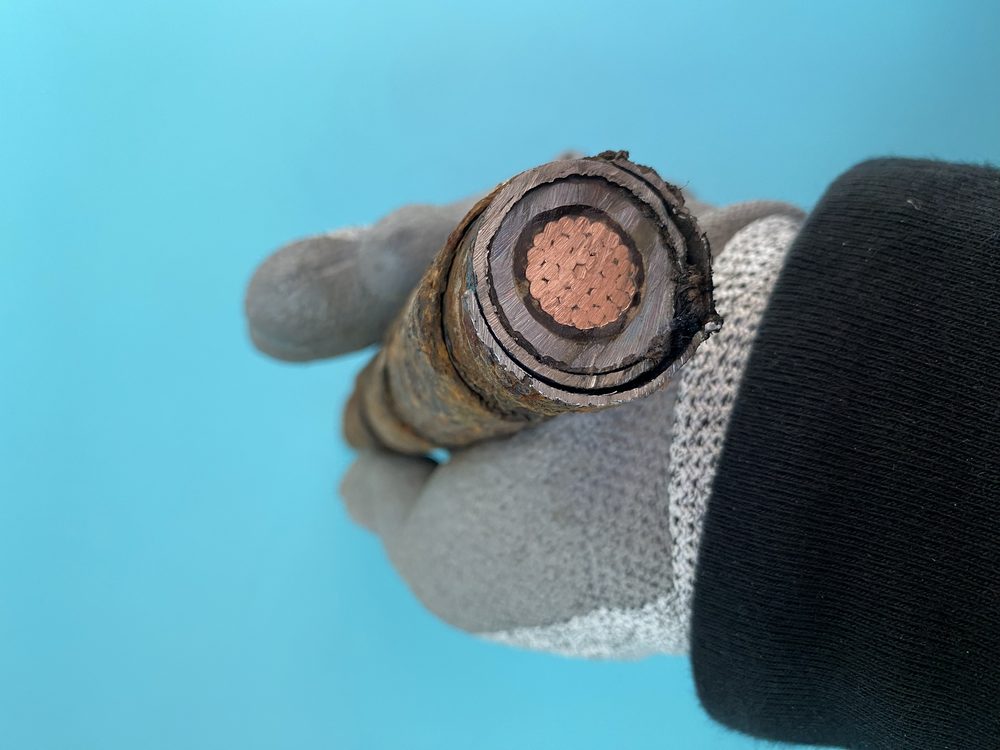
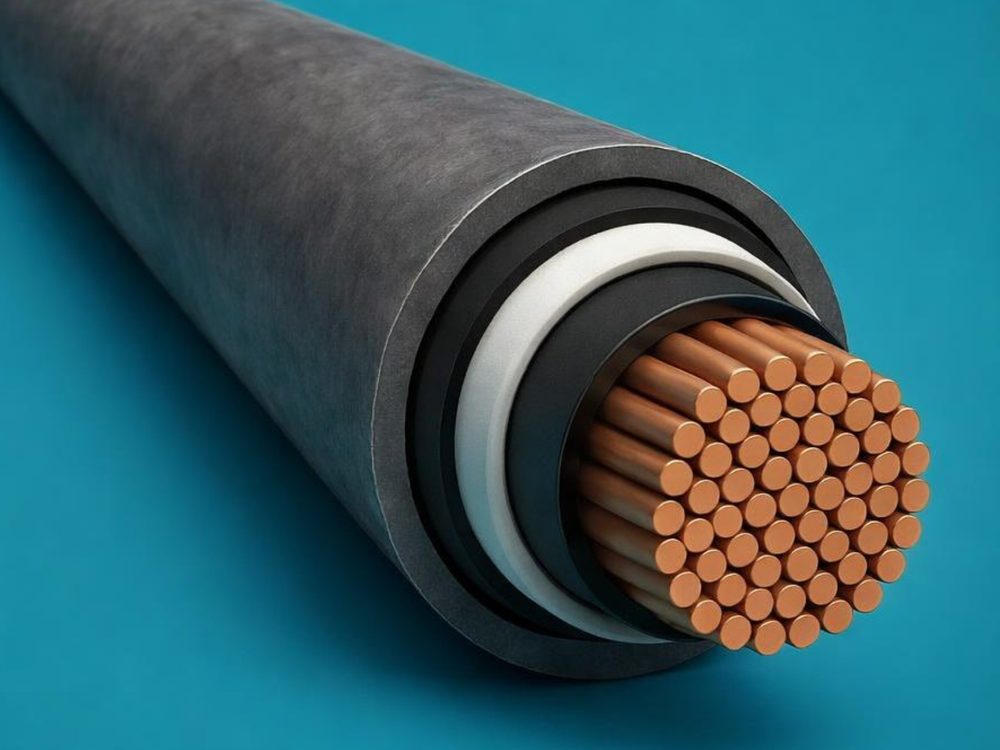
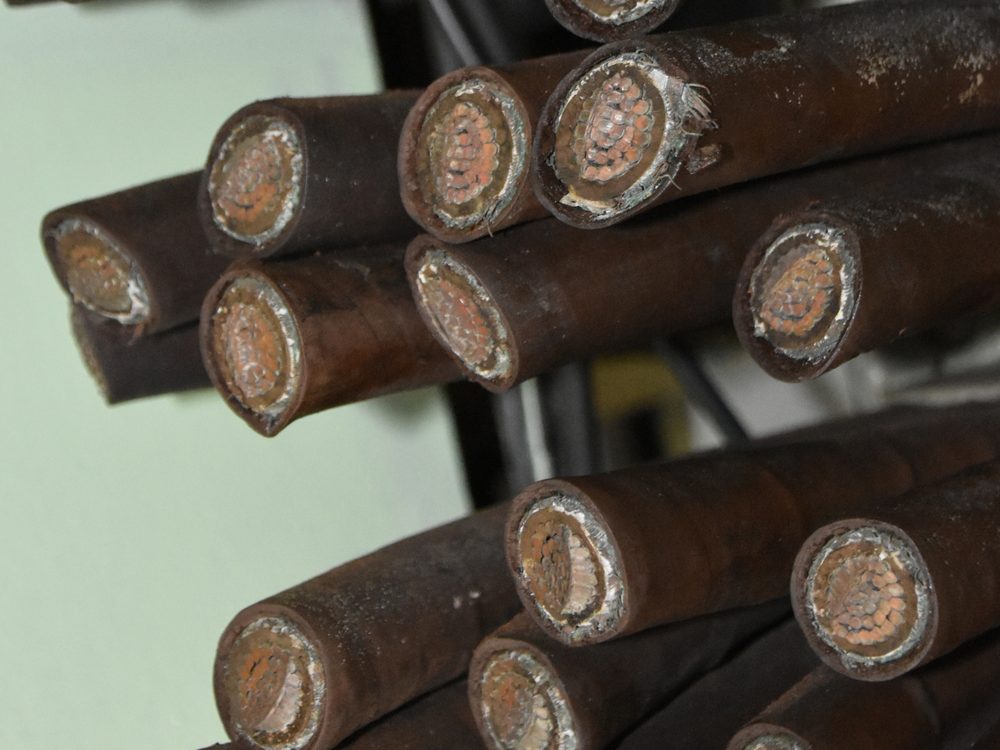
lead sheathed cable
conditions
- PVC & lead armour
- no contamination:
- grease / oils / glue
- metal connectors
- plugs
examples
- underground power cables
- armoured industrial wiring
- telephone trunk cables
big site strip-out or regular cable flow?
talk to us about trade accountsSteel Armoured Cable — Cable Grade
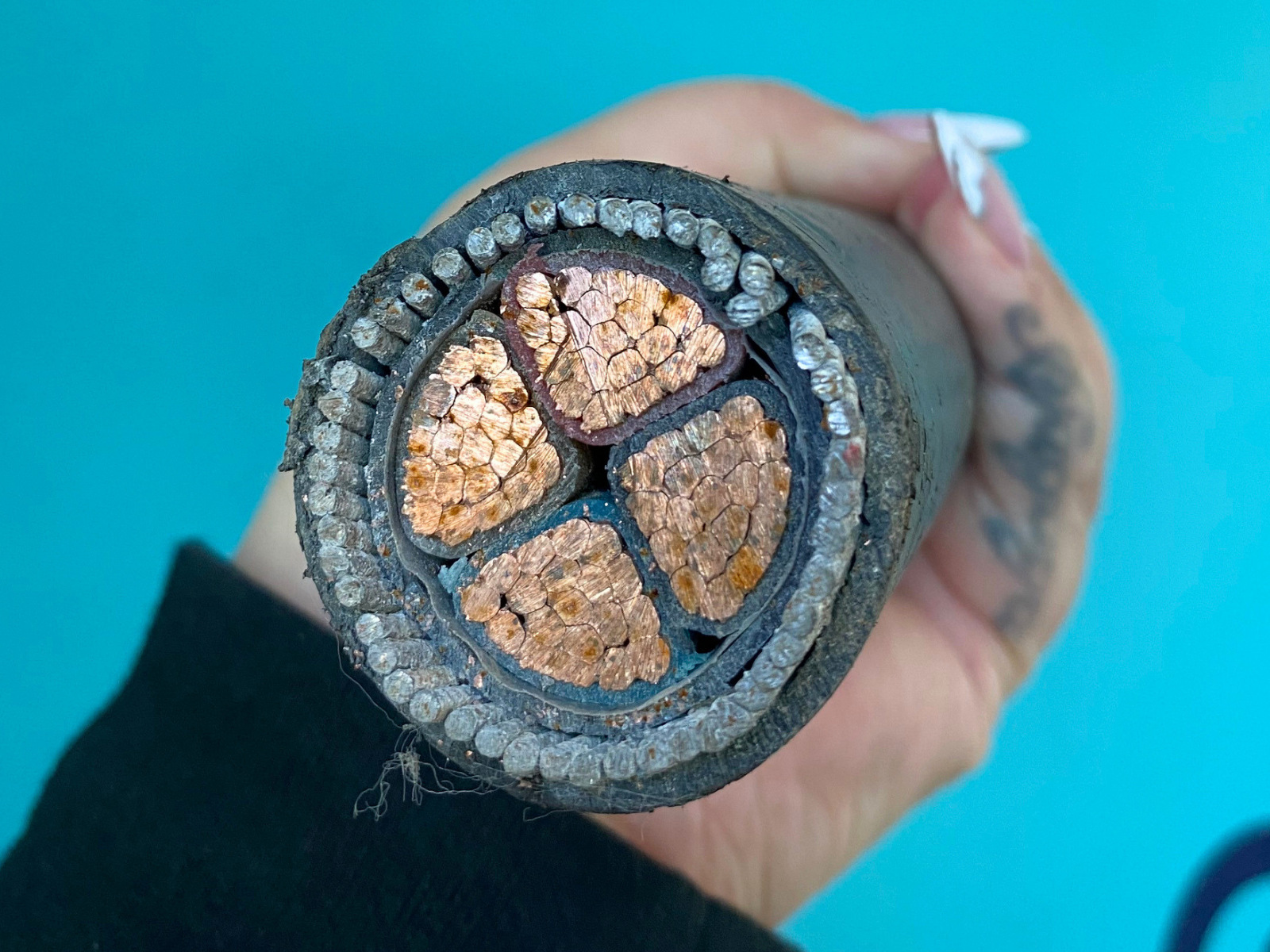
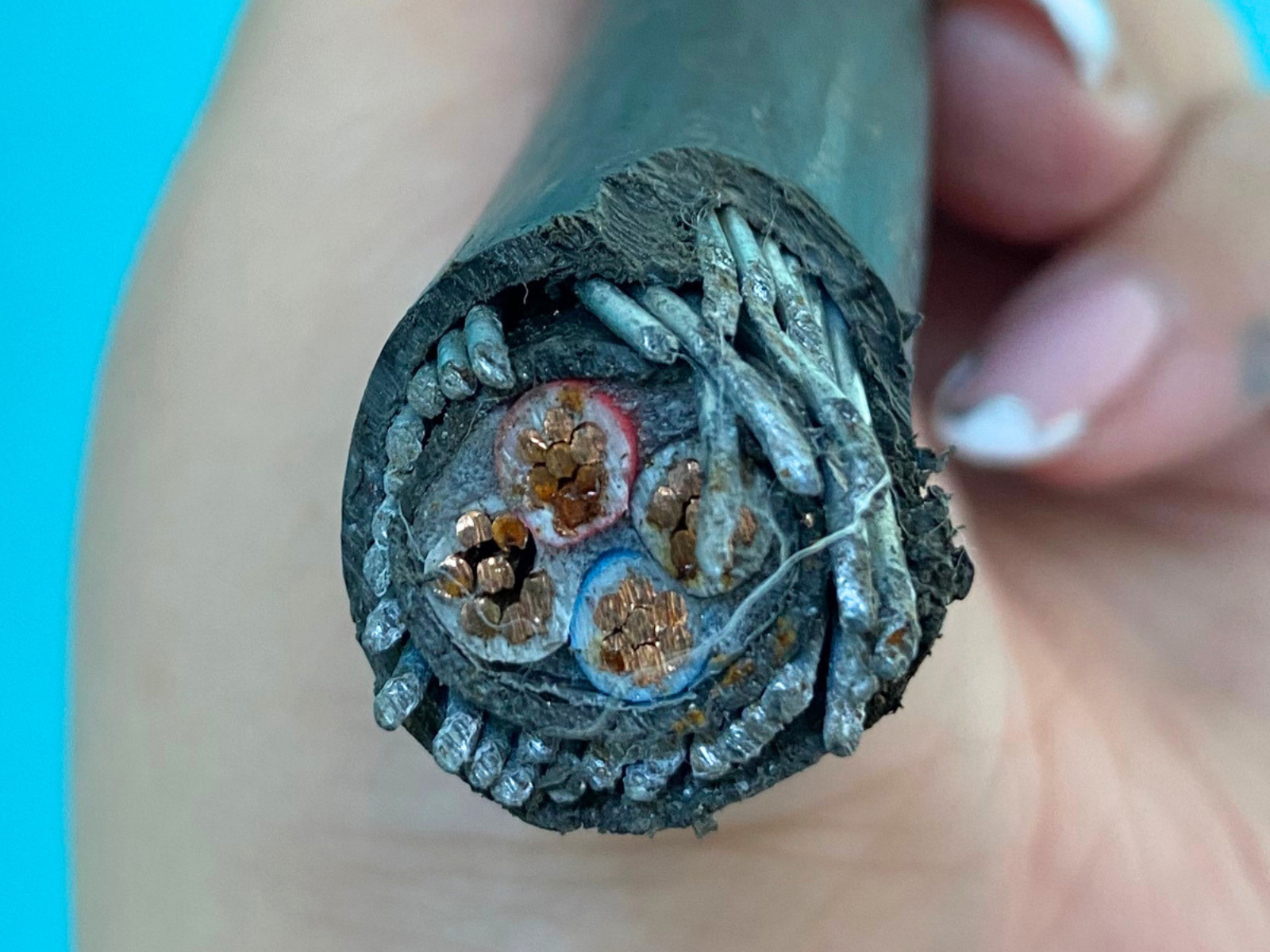
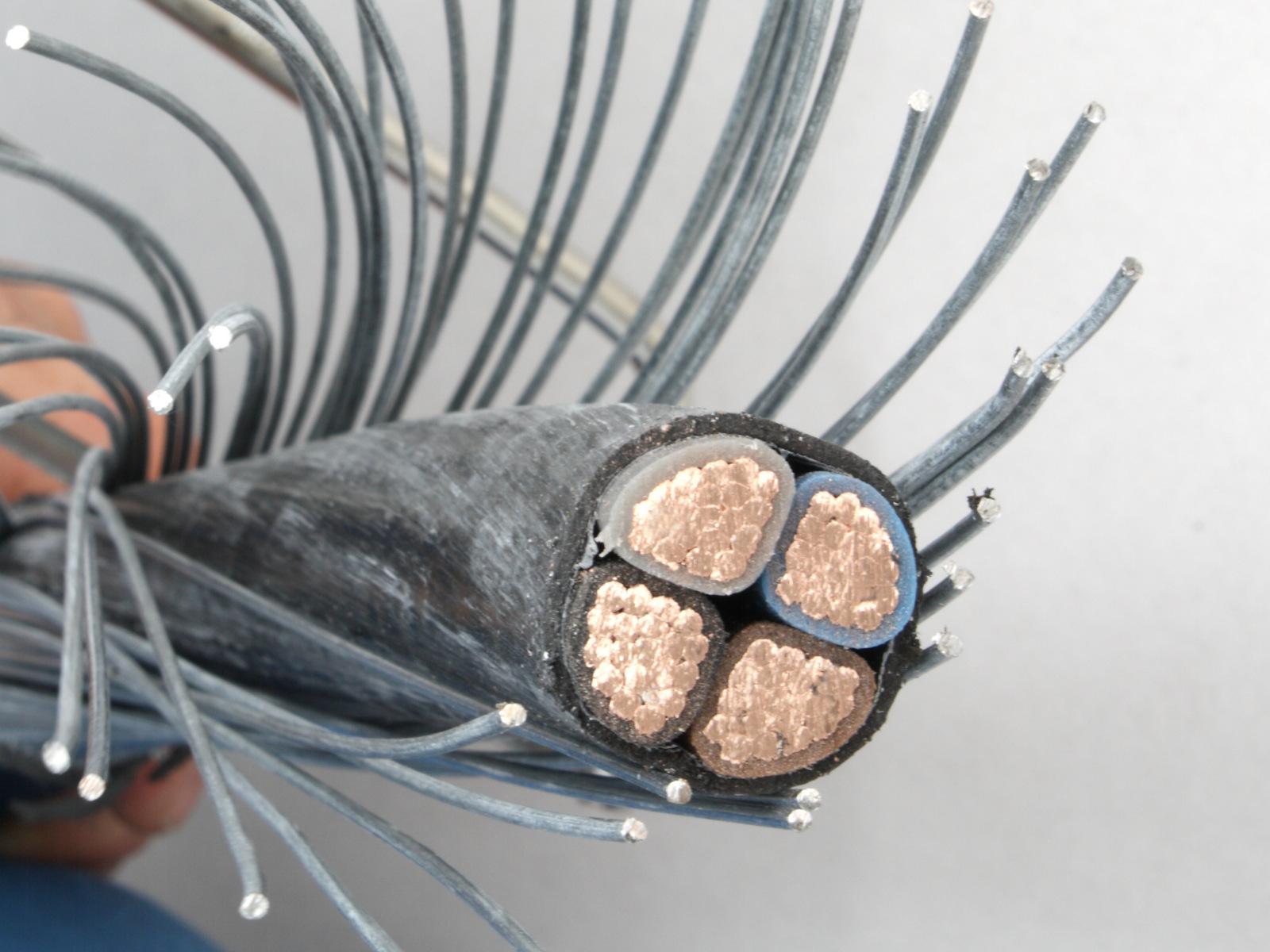
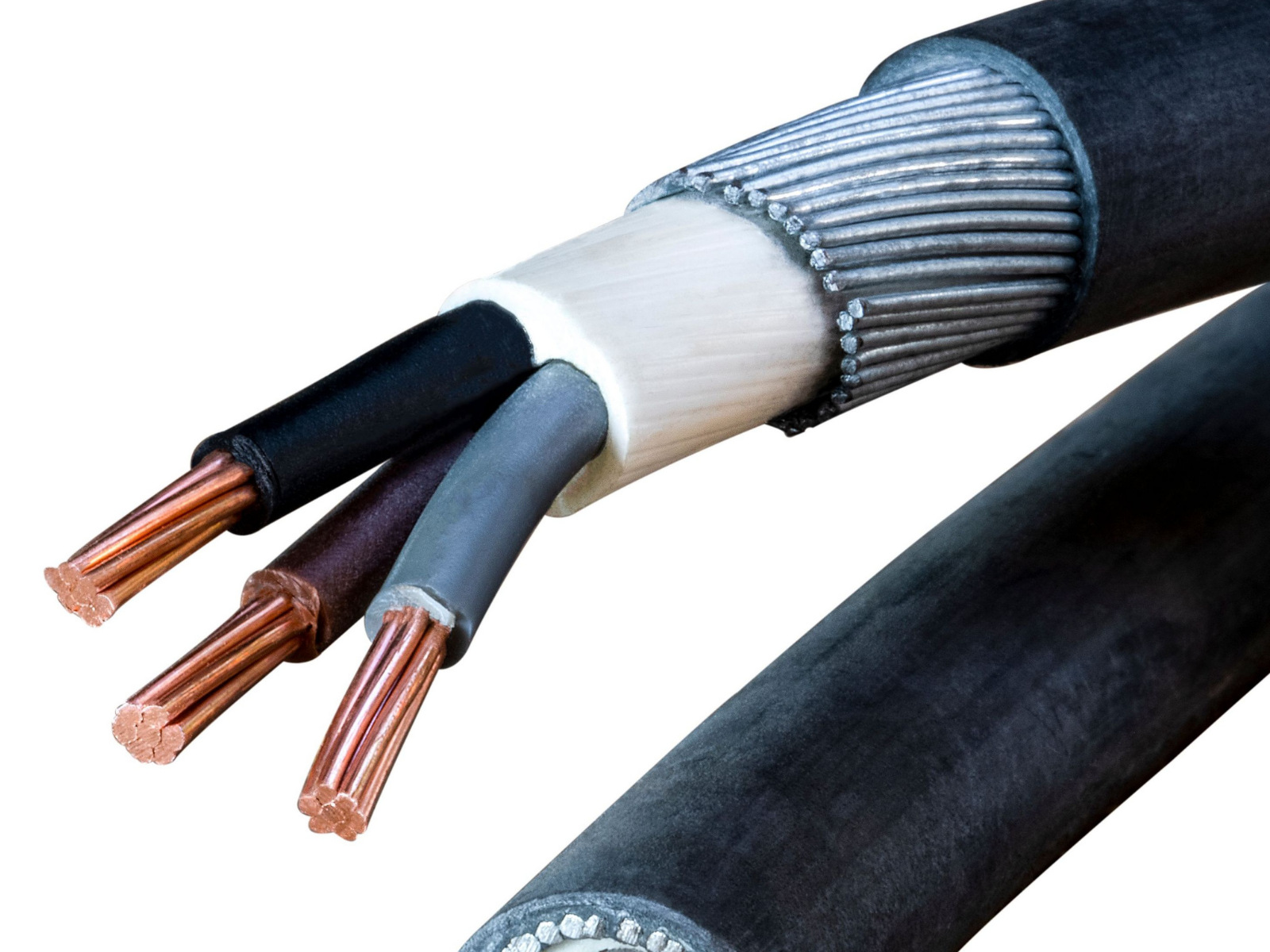
steel armoured cable
conditions
- PVC and steel armour
- no contamination:
- grease / oil / glue
- metal connectors
- plugs
examples
- SWA power cable
- underground mains cable
- switchboard feeder cable
- telephone wire w/ suspension cable
still not sure what cable you've got?
Send us a pic and we'll tell you exactly which cable grade it is and what it's worth. No obligation, no pressure. Just a fast answer from our grading team.
how cable pricing actually works
how cable is graded at the scales
Cable can't be priced like bare wire. A kilogram of bare copper is ~100% copper. A kilogram of cable might be 30% copper, or 65%, or somewhere in between — the rest is plastic, rubber, steel, or lead. Every yard in New Zealand prices cable the same way: grade the load, assign a copper percentage, apply the matching rate. Here's what that looks like.
01 — the look
cable identification
Your cable goes onto the scales and into the grader's hands. Three things decide the grade:
- conductor gauge — thick solid core or fine multi-strand
- insulation thickness — thin single-coat or heavy-sheathed
- cable type — mains, household, data, comms, leads, armoured
02 — the number
percentage grade assigned
Based on the cable type and conditions, your cable lands in one of these common grades. The percentage is the typical copper content for that cable type:
- PVC 65% — heavy mains, thick conductor
- PVC 42% — standard household and light commercial
- PVC 30% — thin-conductor data and comms
- plus 4 specialist grades for plugs, looms, lead-sheath, SWA
03 — the pay
rate applied, settled same day
The grade percentage is multiplied against the LME-linked copper rate of the day. That gives you a $/kg price for your specific grade, paid on the total weighed load. No delay, no weigh-back.
Cash in hand. Cable goes to the granulator. Done.
Grade your cable before you arrive. We publish every cable grade here — with photos and the exact conditions for each — so you can match your cable to the right grade and know what to expect at the scales. See all cable grades
decision guide
strip or don't?
Stripping cable by hand is slow work. Sometimes it pays off. Most often, it doesn't, especially on the cable types most people bring in. Here's the honest call, type by type.
before you strip, read this
Thin-conductor cable is hard to strip cleanly without the right equipment. Hand-stripping fine multi-strand or data cable usually damages the conductor, leaves PVC stuck on, and downgrades the result. If you don't have a proper stripper or guillotine, the volume grades (PVC 42% and 30%) almost always pay better as-is.
| cable type | strip? | why |
|---|---|---|
| heavy industrial mains (thick solid conductor, thin insulation) | maybe | Easy to strip, but PVC 65% rate is already high. Worth it only if you've got dead time and a guillotine. |
| standard twin-and-earth household cable | don't | This is the volume grade. PVC 42% pays well as-is. Stripping costs you more time than the grade uplift returns. |
| data / comms / cat5–6 | don't | Thin conductor, multi-core. Almost impossible to strip cleanly without proper equipment, so bring it as PVC 30%. |
| appliance leads & extension cords | don't | Moulded plugs are a nightmare to remove. PVC with plug grade is fair, zero work required. |
| car looms | don't | Connectors, clips and fuses mean hours of work for little gain. Bring the whole loom in. |
| steel-armoured (SWA) | don't | Steel-wire armour is sharp, under tension, and dangerous to strip without the right cutting tools. SWA grade pays at the scales, so let us handle the armour. |
| lead-sheathed legacy cable | don't | Lead is a contamination risk and the grade includes both metals already. Bring as-is and flag any oil or PCB concerns. |
| single short length you can strip in minutes | sure | Quick strip, cleaner grade (Bright & Shiny on the copper page) = best rate. Worth it for small jobs only. |
the rule of thumb
Most cable pays better as-is. Unless you've got the right stripping equipment and the cable is the right type (thick solid conductor, thin insulation), the time you spend stripping is worth more than the grade uplift. The volume grades exist because they're the volume grades.
Never burn insulation off cable. Burnt copper is downgraded at the scales, the smoke is toxic, and it's illegal under air-quality rules across most of Auckland.
not sure which way to go?
email us a photo
by sector
who brings us cable
Cable comes from every direction. Here's how we work with the four biggest sources in Auckland.
electricians & sparkies
Rewires, new builds, switchboard upgrades, strip-outs. You've got a constant trickle of PVC 42% offcuts, heavier feeder cable, plus the occasional SWA off a commercial job.
- trade-account pricing on regular volume
- dedicated cable bins — we drop, you fill, we pick up
- walk-in welcome with no minimum batch
- fast grading — in and out in under 15 minutes
data & IT
Network refreshes, server-room rip-outs, office fit-outs. Big volumes of cat5–6, fibre patch leads, power leads with moulded plugs, and the odd bundle of bright-cable patch offcuts.
- PVC 30% for multi-core data cable
- PVC with plug for server-room power leads
- bulk drop-off supported at Onehunga
- ideal for co-location and data-centre contractors
telecom & utility
Network modernisation projects move serious tonnage of lead-sheathed cable, copper mains, and armoured feeder cable. We grade and pay at the scales, then process at our Onehunga granulator.
- lead-sheathed bought as-is at one standard rate
- SWA bought as-is — no need to strip the armour
- container-scale handling capability
auto dismantlers
End-of-life vehicles and insurance write-offs produce constant volumes of car looms. Mixed-gauge, plastic-heavy, low-copper-content — and a pain to process. That's exactly what the granulator handles best.
- Car looms grade — priced at the scales, plug/connector content factored in
- no pre-sorting required
- pickup on big jobs by arrangement
- integrated with ELV stream accounts
the recycling process
how copper cable is recycled
Cable recycling is mechanical, not chemical. The copper inside is the prize; the plastic around it is the obstacle. Our Onehunga granulator handles the operational side — once your cable is paid for at the scales, here's what happens to it next.
1
weigh-in & grade
Your cable is weighed on the scales, sorted into grade (PVC 65% through to Steel Armoured), and logged. If it's a mixed load, we sample and agree the split before processing.
2
granulate
Cable is fed into the granulator and mechanically reduced to a uniform particle size. Insulation and copper are both shredded — no heat, no chemicals, no burning off.
3
density separation
A density-based separation table splits copper granules from PVC/plastic dust. The copper granules are consolidated for export and the PVC fraction is recovered separately.
4
export & smelt
Recovered copper is shipped to international smelters, melted down and recast into cathode, rod or billet — back into new wiring, motors and infrastructure.
want a price before you load up?
call the team for a quote
maximise your return
how to prepare your cable
Cable doesn't need much prep — the granulator does the work. But a few simple sorting moves will lift your payout and speed up your grade at the scales.
- Separate cable from bare wire: bare copper pays at the Bright & Shiny rate (top grade). Insulated cable pays at the matching cable-grade rate. Mixing them downgrades the bare to a cable rate unnecessarily.
- Sort by cable type where you can: if you know you've got a bin of mains cable vs. a bin of Cat6, keep them split — it avoids averaging down at the scales. Use our grade list as your sorting guide.
- Leave plugs on appliance leads: Copper PVC with plug is a real grade. Trying to cut plugs off every extension cord costs you time you won't earn back.
- Don't strip steel-armoured or lead-sheathed cable: it's sharp, slow, and dangerous without the right cutting tools. SWA pays at the scales as-is; lead-sheathed is bought as-is at one standard rate that includes both metals.
- Never burn cable: burnt copper is downgraded at the scales, the smoke is toxic, and it's banned in most Auckland council zones. There's no scenario where this gets you paid more.
- Flag contamination: cable that contains oil, pitch, or is known to contain PCBs (older legacy stock) needs to be declared. We can still accept it, but we need to know first.
Pro tip: Running regular volume as an electrician, ELV yard, comms contractor, or utility project? Talk to our team about tradie metal recycling accounts. Dedicated scrap metal bin hire on site, pickup on full pallets and priority processing are the fastest ways to turn cable flow into reliable cashflow.
sustainability
why recycle copper cable
Every metre of cable you recycle is copper that stays in circulation — not mined from the ground, not dumped as landfill. Cable's the trickiest copper to recover, but with the granulator in play, there's no reason for it to end up in a skip.
85%
less energy
Recycled copper uses up to 85% less energy than newly mined and refined copper. Recovering cable keeps that advantage, even after the insulation cost.
∞
endlessly recyclable
Copper recovered from cable has the same conductivity as virgin copper. It can be melted, cast, drawn, and reused infinitely without quality loss.
Cable granulation is the most impactful recovery we do. It keeps insulation plastic contained, copper in circulation, and money in your pocket — no burning, no landfill, no waste.
what we pay
cable pricing
Cable pricing is anchored to the LME copper price, adjusted by the NZD/USD rate, and applied at a $/kg rate matched to your cable's grade. We update our rates regularly so you receive competitive copper wire recycling prices every time you sell.
cable grade
Each cable grade has a typical copper percentage (PVC 65%, PVC 42%, PVC 30% and so on). The percentage is matched against the day's LME-linked copper rate to give you a $/kg price for that grade. Higher percentage = higher rate.
LME copper price
Copper is the benchmark global commodity. When LME copper rises, your cable payout rises with it. We track LME weekly and publish rates transparently.
NZD/USD exchange rate
Copper is traded in USD globally. A weaker New Zealand dollar lifts local scrap rates; a stronger dollar pulls them back. We bake the current rate into every quote.
volume & consistency
Regular volume from trade accounts is welcome at both yards. Regular volume from electricians, ELV yards, comms contractors, and utility project cable flows is welcome — talk to us about a trade account if you're moving consistent tonnage.
For today's cable rates at your nearest yard, visit our location pages for metal recycling Auckland at Onehunga or Wairau, or call the team on 0800 44 88 99. Get an instant quote on the phone, confirmed at the scales with no obligation.
still have questions?
Find what you’re looking for in the FAQs below.
Insulated cable is priced on how much copper it actually contains, so the rate depends on the cable type. Clean stripped bare wire pays as Bright & Shiny; insulated cable is graded at the scales and paid on the copper percentage of that cable type. See the pricing page or call 0800 44 88 99.
It depends on the cable. Thick single-core is often worth stripping to Bright & Shiny; thin or multi-core cable usually pays better as-is because stripping it by hand costs more time than it returns. Either way we grade it at the scales and pay on its copper percentage, so you don't have to gamble.
It's a machine that chops insulated cable and mechanically separates the copper from the plastic insulation. Ours is at the Onehunga yard — it's how we recover the copper for export after we've bought your cable. Your price is set at the scales on the cable's copper percentage, not by what comes out of the granulator.
Bright & Shiny copper pays the top rate. Insulated cable is priced on its copper percentage — high-copper cable (thick conductor, thin insulation) pays close to bare wire; low-copper cable (thin conductor, thick or armoured insulation) pays less.
No. Burning cable is illegal under Auckland air-quality rules, hazardous to your health, and it downgrades the copper. The granulator is cleaner, legal, and pays better.
Yes. Low-grade communications cable (CAT5, phone, fairy lights) has a low copper content, so it's priced accordingly — but we'll still take it and grade it at the scales rather than turning it away.
Yes. Steel-wire-armoured (SWA) and similar cable is accepted; the steel armour lowers the copper percentage, so it's graded and priced on the copper content of that cable type.
Keep clean Bright & Shiny separate from insulated cable, separate heavy single-core from light data cable, and don't burn anything. For regular trade volumes, ask about routing loads through the Onehunga granulator.
Both yards buy cable, weigh and grade it on the spot, and pay you the same day. For larger loads, our Onehunga yard has the granulator on site and can take greater volumes.
Yes. The copper is recovered and returns to new wire and product, and the insulation is processed too — so the whole cable is diverted from landfill.
ready to sell your cable?
call us, email us, or drop into Onehunga. Granulator's on. Grading's on the spot. Payment's same day.