
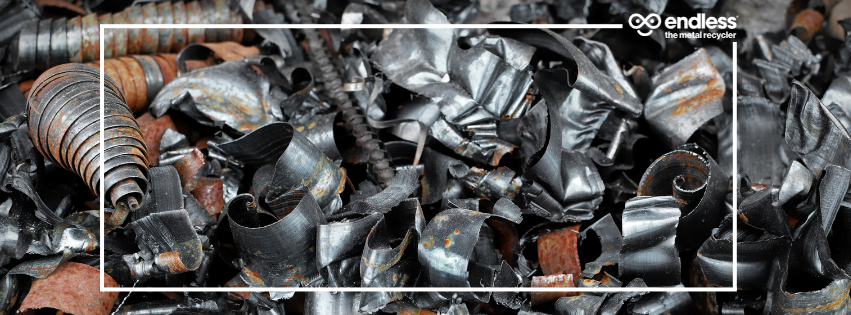
If you’ve got leftover metal from a shed cleanup, a house renovation, a job site or even a full demolition, that scrap metal in Auckland can be worth a lot of coin. It’s cash waiting to be claimed. Whether you’re a homeowner clearing out the junk, a tradie with off-cuts, a business with regular scrap, or a builder wrapping up site work, you can turn that scrap into instant value while helping keep metal out of landfill.
This guide breaks down how to get the most cash for scrap, make recycling easy, and why real scrap-metal recycling matters, for you, for business, and for all of Auckland.
For more information on getting the best bang for your buck, read “Auckland Scrap Metal Recycling: How To Scrap Metal for Cash“.
Why Scrap Metal Makes a Difference For Everyone
Whether you’re a private scrap metal customer or in charge of selling the scrap of a demolition company, Endless is here to assist. For industrial customers, however, there are several responsibilities needing to be taken seriously. Some of these include…
Construction and Demolition Waste Is a Major Issue
Construction and demolition (C&D) waste is one of the biggest waste streams in New Zealand. According to a nationwide baseline study commissioned by the Ministry for the Environment (MfE), C&D waste sent to disposal facilities represents a substantial portion of overall waste going to landfill.
Diverting metals from that stream helps reduce pressure on landfills and supports smarter waste management across the country.
Recycling Reduces the Need for Mining and Metal Dumping
When scrap metals like copper, aluminium or steel get recycled rather than dumped, it means less need for virgin mining or smelting overseas. That translates into energy savings, reduced resource extraction, and fewer emissions tied to metal production and transport. Research into New Zealand’s resource-recovery and waste-management sector shows that recycling infrastructure and services play a vital role in reducing national waste output and supporting a circular economy.
For a growing city like Auckland, where lots of renovation, building and demolition happen, every tonne of metal recycled helps lighten the load on the environment.
You Get Paid. Simple as That!
Whether it’s copper pipe from a renovation, aluminium offcuts, or steel scrap from a job, that scrap has value. Instead of binning it, you can convert it into cash. That’s good for you, good for businesses, and good for the planet.
1. Residential: Clearing Out the House, Garage or Shed
If you’ve got old metal lying around, from renovations, decommissioned appliances, or simply accumulated tools, bring it in.
Tips to get the best return:
- Sort your scrap by metal type (copper, aluminium, steel, mixed)
- Remove obvious contaminants (plastic, insulation, fittings) where possible
- Avoid mixing metals. Clean loads get better prices
Why it works:
- Declutter your place and get paid for stuff you’d otherwise trash
- Help reduce landfill burden from household waste
- Spread the word. The more households recycle metal, the stronger demand becomes for scrap services, which helps rates and recycling systems
Tradies: Off-cuts, Wire, Pipes & Job Waste
For tradespeople, sparkies, plumbers, and builders, scrap is part of the job. Instead of tossing leftover metal, scrap it.
Why it pays off:
- Regular scrap from multiple jobs can quickly add up to a decent haul
- Scrap yards use certified weighbridges and calibrated scales, fair, transparent, trustworthy
- Quick turnaround. Drop off scrap, get paid on the spot, no fuss
Pro tip: Keep copper wiring, clean pipework, and aluminium off-cuts in bins until you’re ready to scrap. Clean sorted loads earn the best return and save grading time.
2. Commercial: Workshops, Manufacturing & Business Scrap
If you run a workshop, warehouse, fabrication shop or small-scale industrial business, scrap is a byproduct. Instead of paying disposal fees, consider turning scrap into revenue.
What works well:
- Bulk scrap or leftover metal delivered or collected regularly
- Some recyclers offer bin-placement services and scheduled pickups. This is ideal for ongoing scrap streams
- Using certified scales and transparent grading gives you reliable measurements and fair payout
Why it’s smart:
- Saves on disposal costs
- Generates additional income from metal that would otherwise be waste
- Helps you manage waste responsibly and ethically, which reflects well for your business
3. Construction & Demolition: Turn Site Waste into Value
Construction and demolition waste is one of the largest contributors to landfill waste nationwide. According to the baseline study for C&D waste disposal commissioned by MfE, a major share of that disposal comes from building work.
Metal accounts for a meaningful portion of that waste stream in many projects.
How to make your demolition or renovation site more efficient:
- Separate metals (copper, steel, aluminium) on-site rather than mixing with concrete, wood, plasterboard or general waste
- Use bin-placement or skip-bin services sorted by material type
- Drop off scrap at a licensed yard that uses certified weighbridges, get paperwork if you need waste diversion evidence
The upside:
- Diverts a large volume of material from landfill
- Earn money from metals that would otherwise cost to dispose of
- Support the shift toward more sustainable waste management in Auckland and beyond
FAQs: Auckland Scrap Metal: What You Need to Know
Q: What kinds of metal will scrap yards accept?
A: Most accept copper, aluminium, steel, brass, mixed metal, wiring, radiators, as long as materials are reasonably clean and separated.
Q: Do I need a big load to get paid?
A: No. Many yards accept everything, from small residential drop-offs (like wiring or appliance parts) to large demolition loads. Even small loads add up over time.
Q: How do I make sure I get a fair price?
A: Sort metals, remove insulation/plastic, keep metals dry and separated. Clean, sorted loads get higher prices and faster processing.
Q: Is scrap metal recycling really better for the environment?
A: Definitely. Recycling reduces demand for virgin materials, lowers mining and smelting emissions, and cuts waste going to landfill. For the wider waste problem, diverting metals helps reduce overall waste volumes heading to disposal sites.
The Bottom Line
Whether you’re a homeowner clearing out the shed, a tradie dropping off off-cuts, a business sending out surplus scrap, or a builder finishing a site, scrap metal doesn’t have to go to landfill.
Recycling scrap metal in Auckland turns waste into wealth, saves resources, reduces emissions and supports better waste management for cities and communities.
Next time you’re tidying up, renovating, working on a site or clearing out old materials, think twice before tossing that metal. Bring it to a scrap yard instead. Sorted, clean, dry, and ready to recycle.