If you’ve just re-roofed a villa in Onehunga and there’s a pile of old flashing in the trailer, or you’ve cleaned out a tyre bay and found a bucket of old wheel weights, you’ve probably noticed something about lead.
It’s seriously heavy.
It doesn’t always look like much. It’s dull, grey and soft enough to bend, but lead is one of the densest metals you’re likely to bring into the yard. It’s also recyclable and, like other metals we accept, is graded and paid by weight.
So what actually counts as scrap lead? And what should you separate before you bring it in?
What is scrap lead?
Lead is a soft, heavy, non-ferrous metal. That means it contains no iron and won’t stick to a magnet.
Pick up a piece of lead flashing and a similar-sized piece of aluminium and the difference is immediately obvious. Lead feels surprisingly heavy for its size.
It’s also soft. Old flashing can usually be bent by hand, and if you scratch the surface you’ll expose brighter metal underneath the dull grey exterior.
That grey surface is normal. Lead oxidises over time and develops a chalky-looking finish.
A magnet is another useful check. If it sticks, you’re not dealing with lead.
There are modern lead-free flashing products around too, so don’t assume every piece of grey roofing material is lead just because it looks the part. Some alternatives use aluminium, butyl or other materials.
If you’re still not sure what you’ve got, don’t worry about trying to become a metallurgist in the driveway. Bring it in and we’ll identify it.
There’s also more information in the endless lead glossary.
Where does scrap lead turn up around Auckland?
Roofing is an obvious one.
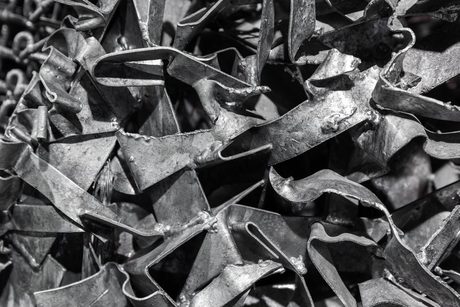
Older Auckland homes can produce lead flashing from around chimneys, roof valleys, parapets and other penetrations. Re-roofing and re-cladding work can also uncover lead sheet, soakers, step flashings and old lead-head nails.
Plumbers working on older houses may come across lead waste pipe, bends and joints from the days before PVC became standard.
Then there are mechanics and tyre shops, where old wheel balance weights can accumulate surprisingly quickly.
Boats and fishing gear can produce other forms of lead, including ballast, dive weights and sinkers.
Electricians and demolition crews may come across something slightly different again: old lead-sheathed copper cable from underground or industrial installations.
And there are the less obvious places. Counterweights, sash weights and old lead linings can all turn up during renovation or demolition work.
With Auckland’s mix of older houses and industrial areas, it’s not unusual material to see coming through the gate.
How endless grades scrap lead
Lead has its own grades at endless, and we assess what you’ve actually brought in when it arrives.
Clean lead includes material such as flashing, sheet, pipe, ballast and similar items.
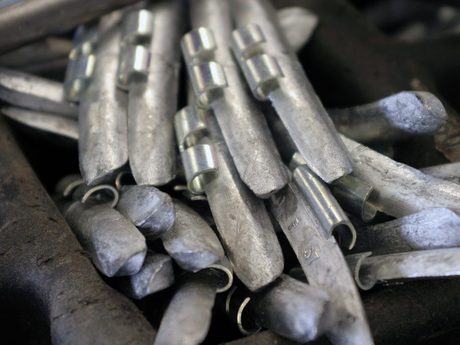
Then you’ve got lead-head nails and wheel weights. These appear as their own grade because they’re not simply pieces of clean lead. Roofing nails have a steel shank, and traditional wheel weights can have a steel clip attached.
Lead-sheathed copper cable is different again. It’s treated as a cable grade rather than being thrown into the clean lead pile, because there’s copper sitting underneath that lead sheath.
And if you’ve got a car or other lead-acid battery, don’t mix that in with your loose lead either. Batteries have their own grades and handling requirements. Our lead battery recycling page explains what we accept.
As with other metals, what comes in with your lead matters. Attachments, contamination and other materials can affect how something is graded.
We don’t put a fixed lead price per kg into an article like this because metal values move and our two yards publish their current rates separately.
Heading to central or South Auckland? Check the Onehunga live prices before you load up.
You’ll find the current rate and pricing calculator there. Your final grade and payment are confirmed once we’ve seen the material at the yard.
A little sorting goes a long way
You don’t need to spend hours preparing lead before you bring it in.
There are a few things worth doing, though.
Keep clean lead together
If you’ve got clean flashing, pipe or sheet, keep it together rather than throwing everything into one mixed container.
Wheel weights and lead-head nails should be kept separately from your clean lead.
It makes it much easier for us to see what you’ve actually got when you arrive.
Take a closer look at wheel weights
Not every wheel weight is made from lead anymore.
Some newer weights are steel or zinc. A magnet makes the steel ones easy to spot because they’ll stick.
You may also find zinc weights marked with Zn.
If you’re collecting wheel weights regularly, particularly in a tyre or automotive workshop, sorting them as you go is much easier than dealing with one enormous mixed bucket six months later.
Remove obvious attachments where it’s easy
Old flashing doesn’t always come off a building cleanly. You might have sealant, screws, bits of timber or other material attached.
If something comes off easily, remove it.
Lead pipe can also have brass fittings attached. Brass is a different metal grade, so it’s worth separating those fittings rather than leaving everything together.
You don’t need to spend your weekend attacking every piece with tools. We’re talking about the easy wins.
If you’re unsure whether paint, tar or sealant on old flashing will affect the grade, leave it as it is and let us have a look.
Leave lead-sheathed cable alone
If you’ve got old lead-sheathed copper cable, don’t start stripping the lead off at home.
It’s a recognised cable grade, and there’s no need to expose yourself to lead dust trying to separate it.
Bring it in as it is and let us grade it.
If you’re an electrician dealing with different cable types regularly, our electricians’ guide to cable, switchboards and motors goes into more detail about how different materials are handled.
Lead needs a little more care
Lead is useful, recyclable and valuable as a recovered metal, but it’s also something you should handle sensibly.
Wear gloves, particularly when you’re handling older lead with a chalky or oxidised surface.
Wash your hands properly after handling it and before eating, drinking or smoking.
And don’t cut, grind or melt lead at home just to prepare it for recycling. That’s when you can start creating dust or fumes you really don’t want to breathe.
For recycling, you don’t need to.
If you’re storing lead before bringing it in, keep it somewhere secure and away from children and pets.
And if you’ve got something unusual, particularly material that’s been in contact with chemicals, fuel or another substance you’re unsure about, call us first.
Our what we buy and don’t buy page covers the main exclusions, or you can call the team on 0800 44 88 99.
Roofers and tradies, this stuff adds up
If you’re a roofer, plumber, builder or demolition contractor, you can end up handling quite a bit of lead without really thinking about it.
A few strips of flashing from one job don’t look particularly exciting.
Do that across job after job and suddenly there’s some serious weight sitting in the workshop.
The easiest approach is to separate metals as you work. Keep your clean lead together, lead-head nails and wheel weights apart, and other metals such as brass in their own bins.
You’re already removing the material from the job. You may as well keep track of what you’ve got.
Both endless yards handle trade volumes through the drive-through. Our tradie recycling and construction and demolition pages have more information if you’re bringing in larger or regular loads.
And if you’re visiting regularly, the Tradie Legends programme is free to join and includes higher rates on eligible metals and monthly prize draws.
endless also offers a price match guarantee on door prices.
If you’re coming from the North Shore or West Auckland, check the Wairau Valley live prices before you head in.
Found lead while renovating?
You don’t need to be a tradie to bring it in.
Maybe you’ve found old flashing under the house, removed lead waste pipe during a bathroom renovation or discovered a box of material that’s been sitting in the shed for years.
Lead is so dense that even a fairly small amount can put meaningful weight across the scales.
There’s no minimum load or appointment needed for accepted metal at endless.
If it’s your first visit, our residential recycling page explains what to expect and what identification you’ll need to bring.
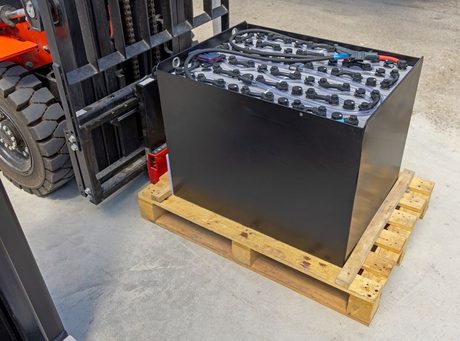
And if you’ve also found an old car battery hiding in the garage, keep that separate. Lead-acid batteries are their own grade. We’ve got a dedicated guide to recycling lead-acid batteries covering those.
Where to bring scrap lead in Auckland
You can bring accepted scrap lead to either endless Auckland yard.
Onehunga is at 147 Neilson Street and is handy for central and South Auckland, including Penrose, Māngere and Ōtāhuhu. Check the latest visitor information on our Onehunga yard page before you come in.
Wairau Valley is at 245 Archers Road and serves the North Shore and surrounding areas. Check the latest information on our Wairau Valley yard page.
No appointment needed.
If you’re not sure whether the dull grey, ridiculously heavy thing you’ve just pulled out of a roof, wall or workshop is actually lead, bring it in.
We’ll take a look.