
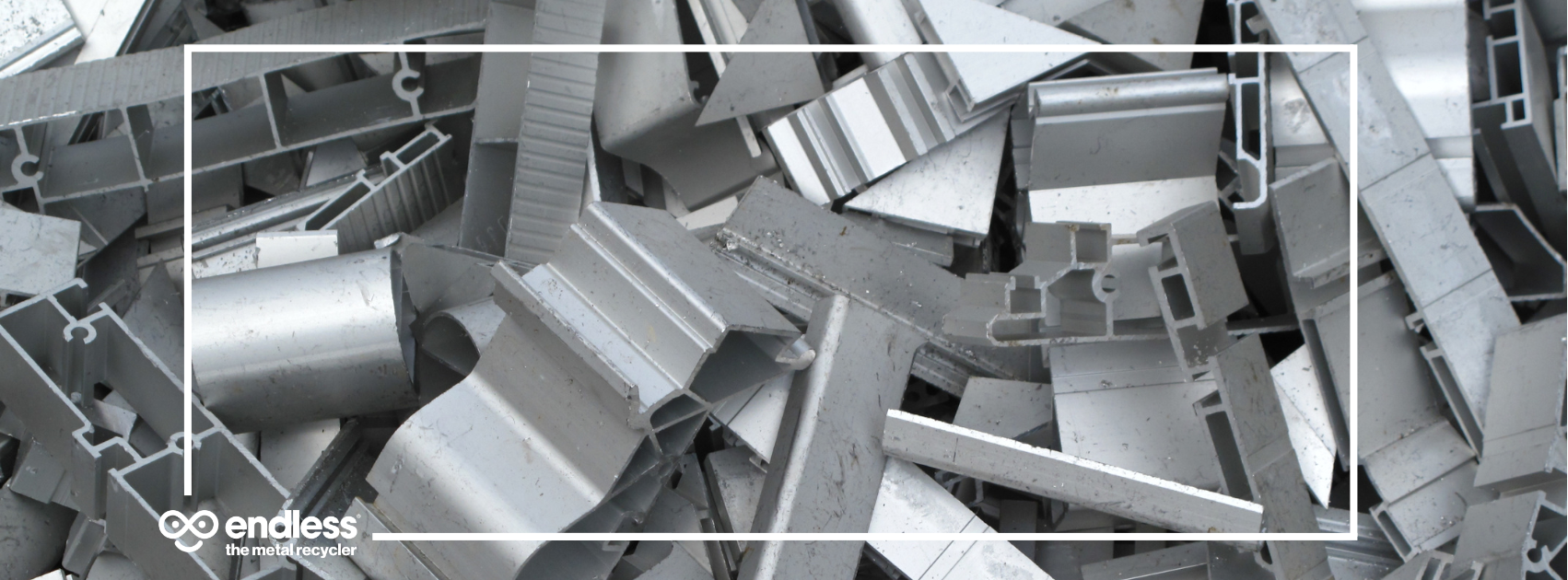
Aluminium is one of the most useful metals in everyday life and one of the smartest to recycle. It shows up everywhere, from old window frames and household offcuts, to radiators, wheels, and cable. If you are sitting on unused aluminium, you are sitting on value. The good news is you can usually turn that value into cash, while also doing something genuinely positive for the environment.
If you have ever asked, “where can I scrap aluminium?” or “can I get paid for scrapping aluminium?” the answer is yes. Cash for scrap aluminium is a real thing in New Zealand, and the reason is simple. Aluminium is traded as a commodity, it has consistent demand, and it can be recycled repeatedly without losing quality. Recycling aluminium also saves significant energy compared to producing new aluminium from raw materials.
At Endless, we accept multiple categories of aluminium scrap and help customers understand what they have, how it is graded, and how to get the best outcome at the scale that suits them.
Why aluminium recycling matters
Aluminium recycling is one of the highest impact recycling actions available because it reduces the need for energy intensive production and keeps valuable material in circulation. New Zealand’s recycling guidance explains that aluminium is separated and processed through established recycling systems, then baled and sent on for further processing.
This matters for two big reasons:
- Environment: Recycling aluminium reduces landfill pressure and supports a circular economy, where materials are reused rather than discarded. Auckland Council’s recycling guidance reinforces the importance of correct recycling behaviour and consistent standards.
- Money in your pocket: Aluminium scrap has value. If you regularly replace parts, renovate, or work in trades, scrap aluminium can become a reliable small revenue stream instead of a disposal problem.
Aluminium scrap categories we commonly see
Aluminium is not one single product. Categories affect pricing and processing, so it helps to know the basics.
1) Aluminium domestic
Domestic aluminium refers to everyday household aluminium items commonly found around the home. This can include things like old window or door frames, aluminium panels, outdoor furniture parts, ladders, curtain rails, shelving, and general aluminium offcuts from DIY projects or renovations. When kept clean and separated from steel, plastic, or glass, domestic aluminium is easier to process and can attract better scrap value.
2) Aluminium radiators
Radiators often involve mixed metals, so they may be graded differently depending on construction. Some include aluminium cores with other metals. The key is to bring them in as-is and let the yard assess the category accurately.
3) Aluminium cast
Cast aluminium is usually heavier, more solid, and common in items like wheels, automotive parts, and housings. It is a common scrap category because it is plentiful and recyclable.
4) Aluminium wire
Aluminium cable and wire may be graded based on whether it is insulated or clean. If you are unsure, bring a sample or ask the team what is worth stripping and what is not. In many cases, the time spent stripping is not worth it unless you are doing volume.
5) Aluminium extrusion
Aluminium extrusion is commonly found in window frames, door frames, balustrades, and structural profiles. These pieces are usually clean, uniform, and highly recyclable. Extruded aluminium is easier to process when kept free of glass, rubber seals, and steel fixings, which can help with grading and pricing.
6) Aluminium sheet
Aluminium sheet includes flat panels, plates, and thin aluminium sections often used in fabrication, signage, roofing, and vehicle bodies. Clean aluminium sheet without coatings, excessive paint, or bonded materials is generally preferred, as it allows for more efficient processing.
7) Aluminium wheels
Aluminium wheels are a specific category due to their weight and cast composition. They are commonly removed from vehicles and are best brought in as whole units. Tyres do not usually need to be removed prior to assessment, as the yard can grade them appropriately.
8) Aluminium cans
Aluminium cans are one of the most recognisable recyclable aluminium products. While lightweight, they are fully recyclable and can be collected in volume. For best results, cans should be empty and reasonably clean to avoid contamination.
9) Mixed aluminium scrap
Mixed aluminium scrap refers to loads that contain multiple aluminium types combined together. While still recyclable, mixed material may be graded differently than sorted categories. If you are unsure how to separate your aluminium, the yard can assess it and advise on whether sorting would be worthwhile.
Quick guide to aluminium scrap types
| Aluminium type | Common examples | What helps value |
| Domestic aluminium | frames, panels, ladders | clean, separated from steel and plastic |
| Aluminium radiators | vehicle and HVAC radiators | bring intact, avoid mixing with general scrap |
| Cast aluminium | wheels, housings, automotive parts | keep separate from domestic aluminium |
| Aluminium wire | cable, conductor, aluminium line | separate insulated vs clean if possible |
| Aluminium extrusion | window frames, door frames, profiles | remove glass, rubber, and steel fixings where easy |
| Aluminium sheet | flat panels, plates, signage material | minimise coatings and bonded materials |
| Aluminium wheels | vehicle wheels, rims | bring as whole units, no need to remove tyres |
| Aluminium cans | beverage cans | empty and reasonably clean |
| Mixed aluminium scrap | combined aluminium types | sorting improves grading and pricing |
How aluminium scrap pricing works
Aluminium pricing is driven by commodity markets, but your result at the yard is also influenced by practical factors:
- Category and grade: domestic vs cast vs wire vs radiator
- Contamination: plastic, steel screws, rubber, food residue
- Volume: regular trade volumes can be handled more efficiently
- Preparation: clean and sorted scrap is faster to process
If your goal is best scrap metal prices, the simplest rule is: sort what you can, do not overwork it, and avoid mixing aluminium with other metals.
Where can I scrap aluminium in NZ?
If you are in Auckland, the easiest answer is a licensed scrap metal recycler with clear processes and transparent grading. For customers searching “where can I scrap aluminium”, the practical decision comes down to:
- convenience of yard access
- speed of drop off
- clarity of categories
- confidence that it is recycled responsibly
Auckland Council provides general recycling education and rules for household recycling streams, but metal items and trade quantities are typically better handled through specialist recyclers.
Endless Onehunga and Endless Wairau are the perfect location for scrapping metal if you’re looking for sharp pricing, top-rated service and potential rewards! Every month, we give away $500 to a lucky customer who scrapped metal with us. One ticket equals one entry, so make sure you swing on by as often as you can to increase your odds!
Sustainability and community impact
Scrapping aluminium supports sustainability in a very practical way. It reduces waste, keeps reusable material moving, and lowers the need for raw extraction. It also supports local industry and employment across the recycling chain.
For customers and businesses trying to improve their environmental footprint, aluminium recycling is a simple win that is easy to measure and easy to repeat.
Frequently Asked Questions (FAQs)
Can I get paid for scrapping aluminium in New Zealand?
Yes. If you bring aluminium to a licensed scrap metal recycler, you can be paid based on weight, category, and condition.
Where can I scrap aluminium in Auckland?
You can scrap aluminium at licensed scrap metal recyclers. Look for a yard that can clearly explain categories like domestic aluminium, cast aluminium, radiators, and wire.
What aluminium items are worth scrapping?
Common worthwhile items include aluminium offcuts, frames, cast parts, radiators, and aluminium wire. The value depends on category, cleanliness, and whether it is mixed with other materials.
Should I clean or strip aluminium before scrapping it?
Do the easy wins. Remove obvious non-metal attachments if it takes seconds. Avoid labour-heavy stripping unless you are processing volume. The yard can advise what makes sense.
Why is recycling aluminium good for the environment?
Aluminium can be recycled repeatedly and recycling reduces the need for energy intensive production from raw materials.