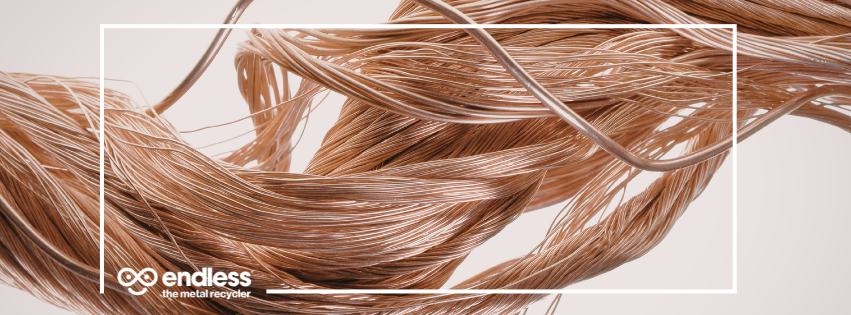
Copper is a key element in the wiring and cable industry due to its excellent electrical conductivity and versatility. However, not all copper cables are created equal. Here’s how to differentiate them, including the grading systems in place, and why it matters.
Importance of Copper Cable
Copper cables are crucial in various applications, from industrial infrastructure to household appliances. Their ability to conduct electricity efficiently makes them indispensable in the modern world. Proper grading of copper cables ensures both optimal performance and value realisation.
Introduction to Copper Thickness and Value
When it comes to scoring top scrap prices, the thickness of your copper wire matters just as much as its condition. At the heart of our grading process is wire size. Whether it’s bright & shiny or copper #1, thicker wires –those over 1.3mm – lead the charge in value as they embody the bright and shiny category.
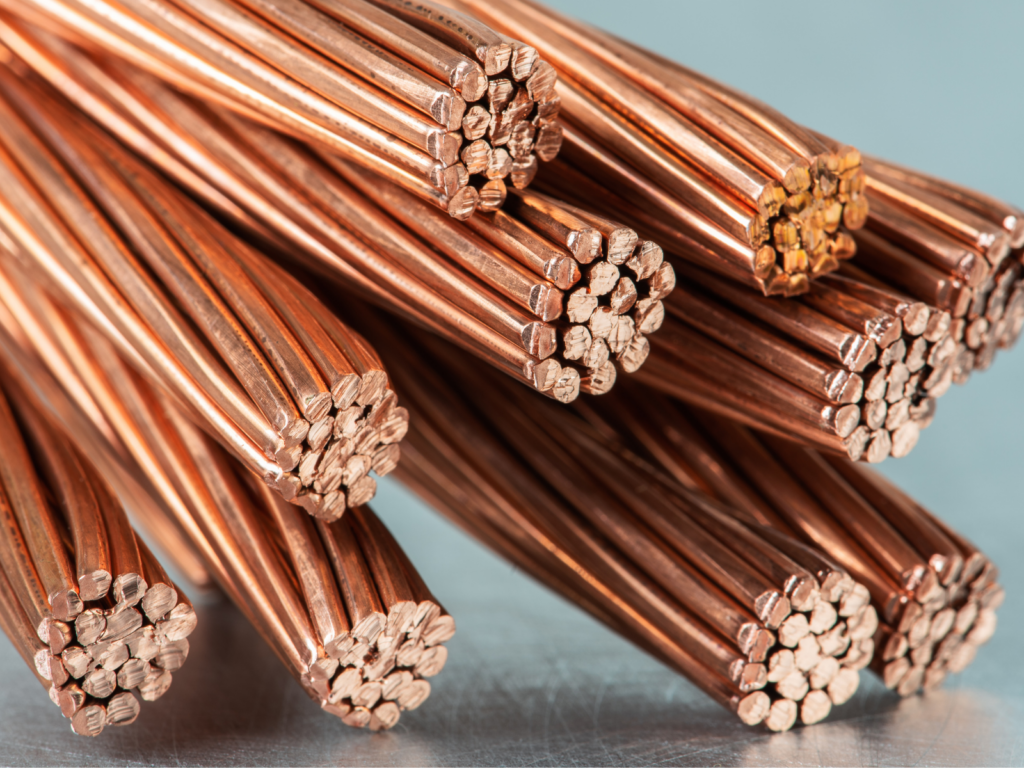
Meanwhile, thinner wires (those under 1.3mm in thickness) even when perfectly clean, are classified as copper #1. Understanding this distinction not only clarifies valuations but also guides proper sorting and preparation, ensuring you’ll make the most from your copper stash.
Grading Systems for Copper Cable
The grading of copper cables is determined by copper content, cleanliness, and physical condition. Here’s how the major categories differ:
- Bright & Shiny
- This is the top-tier grade, serving as the benchmark. It refers to clean, bare copper with a bright and orange-red finish, containing roughly 99% copper.
- All bright and shiny will be thicker than 1.3mm. Any copper cable that is completely clean but thinner than 1.3mm will be graded as copper #1.
- No tarnishing, paint, plating, solder, or insulation is allowed.
- Copper #1
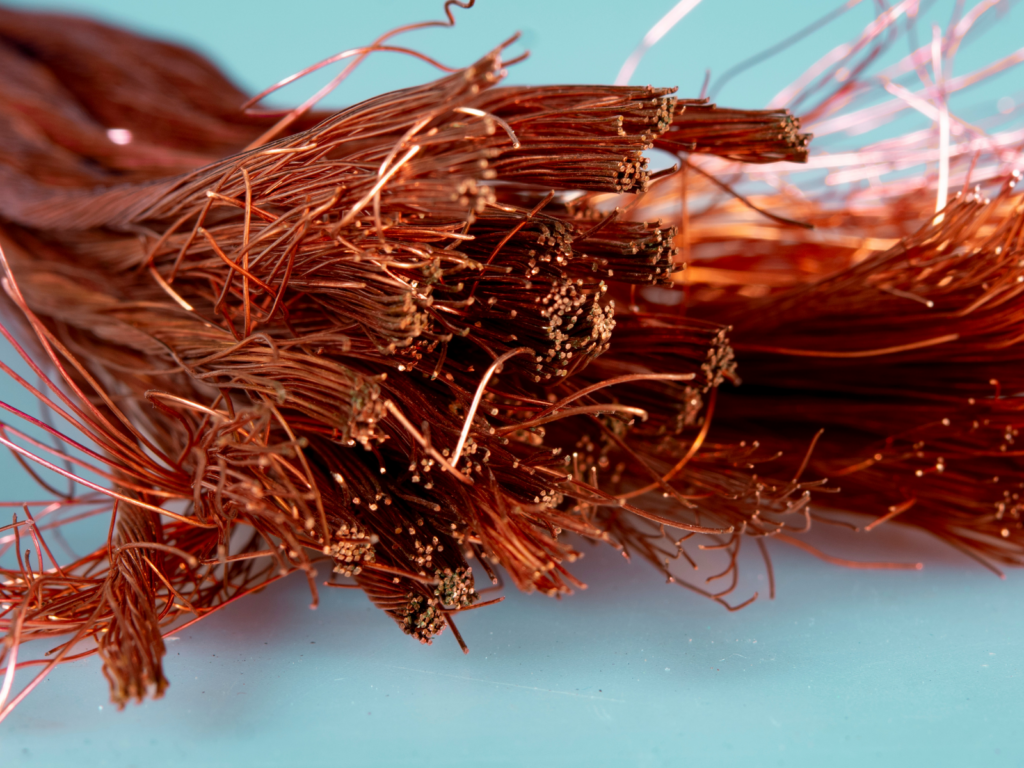
- Includes cables that are tarnished, displaying an aged or weathered surface due to oxidation, yet free from paint or coatings.
- Maintains a high copper content of around 98% but lacks the premium visual quality of bright and shiny copper.
- Wire thinner than 1.3mm is also classified here if clean and lacking any form of coating.
- Copper #2
- Encompasses cables that have coatings, such as paint, primer, or are burnt, which affect their purity.
- A costlier coating than tarnish does, bringing its value below that of Copper #1.
- Also applies to wire thinner than 1.3mm when tarnished or coated.
Recycling Process
Copper is one of the most recyclable metals on the planet, capable of being melted down and reused indefinitely without losing its conductivity or mechanical properties. Here’s how copper is recycled once it arrives at our yard:
- Collection and Sorting: Copper is collected and sorted by grade, separating bright and shiny from tarnished, radiators from domestic, and insulated cable from bare wire. This ensures each batch meets export specifications.
- Grading and Inspection: Each piece is inspected for contamination. Solder, tinning, insulation, ferrous attachments, and non-copper metals are flagged. Proper grading ensures you’re paid for the highest tier your material qualifies for.
- Processing and Granulation: Bulk copper is consolidated and packed. Insulated cable is processed through our Onehunga cable granulator. Insulation is stripped and then recovered. Copper is weighed and paid on actual recovery, not estimated content.
- Export and Smelting: Containers are shipped to international smelters where copper is melted at 1,085 degrees Celsius and recast into cathode, rod, or billet, ready for a second life in new wiring, plumbing, electronics, and infrastructure.
Optimise Your Returns: Preparing Your Copper Efficiently
Properly preparing your copper scrap can significantly boost your returns. Clean, well-organised copper fetches better grading, speeds up processing, and results in higher payouts. Here’s a quick guide to help you maximise your gains:
- Organise by Grade: Always keep your bright & shiny copper separate from tarnished or coated varieties. Mixing these can lower the value of your high-quality copper to lower tier prices.
- Selective Stripping: Some cables are more profitable when stripped of their insulation, paying top dollar as bare wire. However, this only pays off if done correctly. Check our strip-versus-not guide before starting.
- Remove Metallic Extras: Any attached non-copper hardware like screws, clips, or brackets will reduce the grade. Carefully detach these items to avoid downgrading your material.
- Sort Radiators Wisely: Radiator cores made solely of copper (free of steel tanks) are valued as “copper radiators”. If they have steel components, they’re considered mixed. Aluminium-finned radiators fall into a separate category.
- Avoid Burning Insulation: Burning the coating reduces copper quality due to surface damage from heat and releases harmful compounds into the air. Our advanced cable granulators process without burning, protecting both copper quality and the environment.
- Conduct a Magnet Check: Since copper is non-magnetic, a simple magnet test can help you quickly spot any ferrous attachments. If the magnet sticks, there’s metal other than copper involved.
- Leverage Expert Tips: For regular suppliers like electricians, plumbers, or auto dismantlers, dedicated bins and on-site collection solutions can make sorting efficient. Consult with our team to establish a system that ensures you always get the most out of your scrap loads.
By implementing these strategies, you’ll enhance your efficiency and ensure that your copper is ready to yield the best possible return. Reach out to us for further assistance and specialised advice tailored to your specific needs.
Using Copper Wisely
Proper identification and selection of copper cable types maximise both functionality and return. Whether categorising bright & shiny cables or assessing tarnished wires, understanding grading helps in usage and recycling efficiency.
Tables for Quick Reference
Here’s a simplified table explaining key categories:
| Type | Copper % | Notes |
| Bright & Shiny | ~99% | Clean, no tarnish or coating, ideal electrical flow |
| Copper #1 | ~98% | Tarnished, but with no coatings |
| Copper #2 | ~98% | Coated or burnt, less conductive than Copper #1 |
For further operational guidelines and grading visuals, visit the Endless Metals website, where comprehensive procedures are detailed.
Frequently Asked Questions
1. What’s the big deal with differentiating copper grades?
Grading copper properly means you get paid what your mate’s worth! Spotting those grades ensures you’re fetching top dollar, especially when it comes to the bright & shiny stuff. It’s not worth mixing your copper if it means settling for less dosh.
2. How do I know if I should strip my cables?
Deciding whether to strip cables is all about the balance. If it’s easy to strip and leaves you with clean bare copper, you’re in for a ripper of a payout. Otherwise, save yourself the cat’s pyjamas and leave the insulation be.
3. Why shouldn’t I burn off insulation? Isn’t it quicker?
Burning not only damages the copper, but it also puffs nasty stuff into the air. With our top-notch gear, we process without the drama. Plus, burning it downgrades your copper, so you’ll be losing out.
4. How do I keep everything sorted at my worksite?
Best to use dedicated bins and ask our crew about setting up a nifty sorting system onsite. Whether you’re sparky or plumber, having a tidy system ensures you get primo returns each time.
5. Can I combine different copper types when I bring them in?
You can, but it’s gonna cost you! Mixing bright and tarnished copper brings the whole batch down in value. Keep them separate, and you’ll be sweet as – easy money in your back pocket.