Any Auckland scrap metal yard should be focused on protecting the environment. Endless is proud to be one of the industry leaders across the board for contributing to local circular economy. We are committed to responsible scrap metal recycling that prioritises safety, sustainability, and compliance. While we accept a wide range of ferrous and non-ferrous metals, some materials cannot be processed through standard scrap yard operations.
This is not about turning business away. It is about protecting people, preventing environmental harm, and meeting strict regulatory requirements.
If you are unsure why certain items are rejected, this guide explains exactly what we do not accept and the real risks behind those materials.
Health and Safety Comes First
Scrap yards operate with heavy machinery, high volumes of material, and constant movement. Introducing hazardous items into that environment increases the risk of serious incidents.
The materials we do not accept generally fall into these risk categories:
- Flammable or explosive
- Toxic or carcinogenic
- Environmentally hazardous
- Chemically reactive
Hazardous waste is defined as waste that is dangerous to human health or the environment due to its chemical or physical properties. According to the United Nations Environment Programme, improper handling can lead to long-term environmental damage and human exposure risks.
At Endless, our Health and Safety systems are designed to minimise risk. However, some materials require specialist handling that goes beyond what a scrap yard is equipped to manage.
Supporting a Safer, Greener Recycling System
Recycling is not just about volume. It is about doing it correctly.
Incorrect disposal of hazardous materials can lead to:
- Soil and groundwater contamination
- Toxic air emissions
- Long-term environmental damage
Research published in environmental science journals highlights that hazardous waste mismanagement can result in persistent pollution that impacts ecosystems for decades.
Through our Green Journey, Endless Metals focuses on responsible recycling pathways and encourages customers to use certified disposal services where required.
What We Don’t Accept and Why
Asbestos Products
Asbestos is one of the most dangerous materials still found in older building products.
When disturbed, it releases microscopic fibres that can be inhaled. These fibres are known to cause serious illnesses such as lung cancer and mesothelioma. The World Health Organization confirms that there is no safe level of asbestos exposure.
Because of this, asbestos must be removed and disposed of by licensed professionals. It cannot be handled within a scrap yard environment.
Contaminated Drums
Drums that contain or previously held chemicals pose unpredictable risks.
Even small amounts of residue can:
- React with other materials
- Release harmful vapours
- Ignite under certain conditions
Guidance from hazardous materials safety frameworks shows that unknown chemical residues are a major cause of industrial incidents.
At Endless, drums must be fully emptied and cleaned before they can be accepted.
Decramastic Roof Tiles
Decramastic tiles often contain asbestos within their coating.
Without certified testing to confirm they are asbestos-free, they are treated as hazardous. The risk is not always visible, which makes them particularly dangerous to handle incorrectly.
Fuel Tanks
Fuel tanks remain dangerous even when they appear empty.
They can still contain residual fuel or vapours that are highly flammable. When exposed to heat or sparks, these vapours can ignite.
Workplace safety studies show that fuel vapour explosions are a significant risk in industrial environments. This is why tanks must be professionally cleaned and certified safe before disposal.
Rechargeable Batteries
Rechargeable batteries are one of the fastest growing hazards in recycling.
They contain flammable materials and store high levels of energy. When damaged, they can enter a process known as thermal runaway, which leads to fires or explosions.
Research from lithium battery safety studies shows that these fires can escalate rapidly and are difficult to control.
Because of this, rechargeable batteries must be processed through specialist recycling channels.
Hybrid and EV Car Batteries
Hybrid and electric vehicle batteries carry even greater risks due to their size and power.
They involve high voltage systems and complex chemical components. Mishandling them can result in severe injury or large-scale fires.
These batteries require certified recycling processes and cannot be handled as general scrap.
Gas Canisters
Gas cylinders and canisters are pressurised, which makes them inherently dangerous.
If damaged or exposed to heat, they can explode or release flammable gas. Even when empty, they may still contain pressure or residue.
Safety authorities consistently identify gas cylinders as a major hazard in waste and recycling environments.
Aerosols
Aerosol cans combine pressure with flammable propellants.
If crushed during processing, they can rupture or ignite. This creates risk not only to workers but also to machinery and surrounding materials.
For this reason, full or partially full aerosols are not accepted.
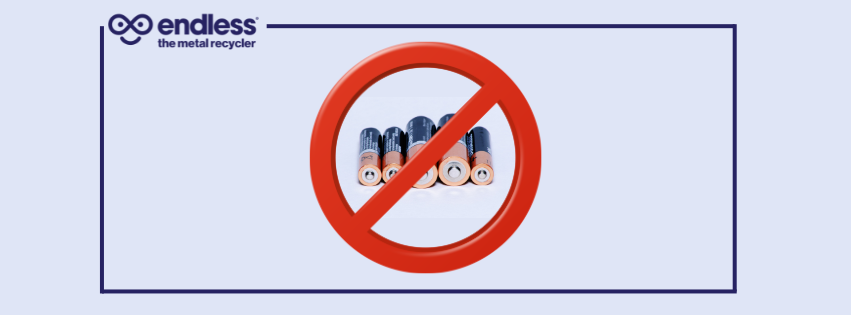
Lithium and Alkaline Batteries
Loose household batteries can seem harmless but are a leading cause of recycling facility fires.
They contain metals such as lithium, nickel, and lead, which can be both toxic and reactive. When damaged or short-circuited, they can ignite.
Environmental Protection Agency reports highlight battery-related fires as an increasing issue in waste systems globally.
Ammonia Fridges
Older refrigeration units that use ammonia present both health and environmental risks.
Ammonia is toxic when inhaled and requires specialised handling. Improper disposal can release harmful substances into the environment.
These units must be processed through approved recycling or disposal facilities.
Biowaste
Biowaste, including organic material, food waste, and biological contaminants, is not accepted at Endless Metals due to the health and environmental risks it presents. Unlike clean scrap metal, biowaste can harbour bacteria, pathogens, and other microorganisms that pose a direct risk to both staff and site conditions. When introduced into a scrap environment, it can also compromise the quality of recyclable materials and create operational issues across the yard.
Key risks associated with biowaste include:
- Bacterial and pathogen exposure that can impact worker health
- Accelerated corrosion and contamination of scrap metal
- Production of methane gas during decomposition, contributing to fire and environmental risks
- Leachate runoff that can contaminate soil and groundwater
Environmental research shows that organic waste, when not managed through proper channels, can generate harmful byproducts and long-term pollution. For this reason, biowaste should be directed to appropriate waste management or composting facilities rather than scrap metal recycling streams.
Motors with Oil
Motors that still contain oil are not accepted at Endless Metals due to the contamination and environmental risks associated with residual fluids. While the metal components themselves are recyclable, the presence of oil introduces hazardous elements that cannot be safely processed within standard scrap operations.
The primary concerns with oil-contaminated motors include:
- Leakage during handling, leading to soil and surface contamination
- Cross-contamination of clean scrap, reducing recyclability and value
- Presence of toxic compounds and heavy metals within used oil
- Increased environmental risk if oil enters stormwater or drainage systems
Environmental protection studies highlight that used oil can persist in ecosystems and cause long-term damage if not disposed of correctly. To ensure safe and compliant recycling, all motors must be fully drained and cleaned prior to acceptance. This protects both the environment and the integrity of the recycling process.
Why These Rules Matter
Across all of these materials, the reasons for refusal are consistent.
- Protecting People
Workers and customers must be kept safe from avoidable hazards such as explosions, toxic exposure, and fires.
- Protecting the Environment
Improper disposal can contaminate land, water, and air systems for years.
- Meeting Regulations
Many of these materials are legally classified as hazardous and require controlled disposal.
- Preventing Fires
Battery and gas-related fires are one of the fastest growing risks in recycling facilities worldwide.
What You Should Do Instead
If you have any of these materials, the best approach is to use the correct disposal channels:
- Contact your local council for hazardous waste services
- Use certified battery or e-waste recycling programmes
- Engage licensed professionals for asbestos or chemical disposal
If you are unsure, reach out to our team. It is always better to check than to risk unsafe handling.
Final Word
Recycling properly and contributing to a circular economy is part of who we are Endless. Turning away certain materials is not a limitation. It is a commitment to safety, sustainability, and responsible operations.
By understanding what we do not accept and why, you are helping create a safer yard, a cleaner environment, and a stronger recycling system for everyone.