
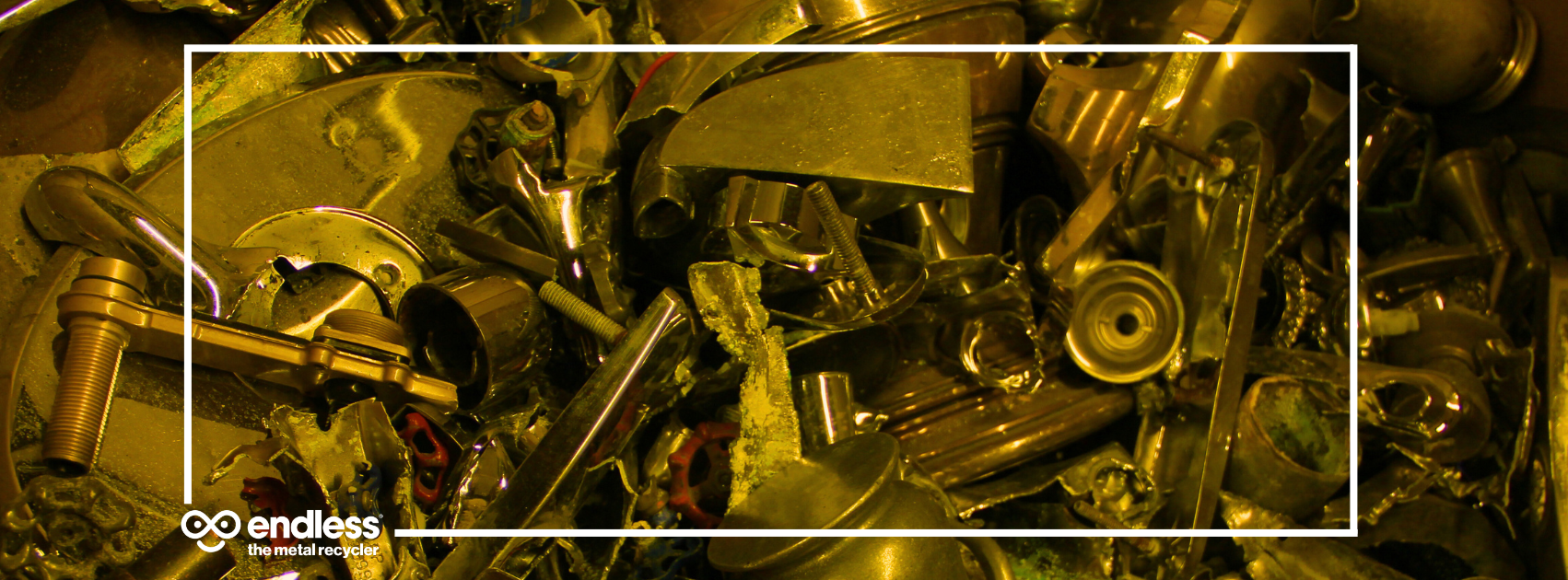
Brass Scrap in NZ
What Your Old Fittings Are Actually Worth?
Brass scrap is like loose change in your ute. You forget it’s there until you realise it’s actually worth a decent feed. It really is one of those materials that sneaks up on you. It doesn’t look flashy, but it adds up fast. For tradies, renovators, and DIY warriors, knowing how brass scrap works can turn a bucket of offcuts into a solid payout instead of landfill.
This guide is built for people who actually handle brass. Not theory. Not fluff. We are breaking down how brass scrap is valued in New Zealand, what affects brass scrap price, how to sell brass without wasting time, and why recycling it properly matters for the environment and your wallet.
What Is Brass and Why It Has Value
Brass is an alloy made primarily from copper and zinc. That mix gives it strength, corrosion resistance, and workability, which is why it shows up everywhere. Plumbing fittings, valves, taps, hose connectors, fire sprinklers, door hardware, marine components, and old machinery parts all rely on brass.
From a scrap point of view, brass is valuable because it contains a high percentage of copper. Copper is globally traded and always in demand. Zinc also carries value, which keeps brass prices relatively strong compared to many other metals.
According to engineering materials research published by institutions such as the International Copper Association, brass can be recycled repeatedly without losing its mechanical properties. That makes it ideal for reuse and keeps demand consistent.
In simple terms, brass scrap is not waste. It is reusable material with a steady market.
Brass Scrap Price in NZ
Why It Changes and What Affects Brass Scrap Value?
If you’ve ever asked for the brass scrap price and been told it varies, that is not a dodge. Brass pricing genuinely shifts.
Here is what drives the brass scrap price in New Zealand:
- Global copper prices
- Zinc market demand
- International manufacturing activity
- Exchange rates
- The grade and cleanliness of the brass
- How much processing is required
Because brass is an alloy, its value depends heavily on how pure it is. Clean brass with minimal contamination will always fetch a better price than mixed or dirty material.
If you want to understand how scrap pricing works more broadly across metals, our Auckland metal recycling guide explains the fundamentals without the jargon.
Common Types of Brass Scrap You Will See on Jobs
Most brass scrap does not come in neat bundles. It comes in buckets, tool bags, and random piles at the end of a job. Common examples include:
- Plumbing fittings and valves
- Tapware and mixers
- Hose connectors and couplings
- Brass pipe offcuts
- Fire system components
- Marine fittings
- Old locks and hinges
These are all accepted forms of brass scrap. The key difference in value comes down to what is attached to them.
How to Get the Best Price for Brass Scrap
If you want the best price for brass, preparation is everything. You do not need fancy tools or extra hours. Just a bit of common sense.
Before dropping off your brass scrap:
- Remove steel screws, clips, and springs
- Separate brass from copper and aluminium
- Avoid mixing brass with plastics or rubber
- Keep it dry and clean
- Use a dedicated container rather than a mixed bin
Clean brass takes less time to process and gets graded higher. That translates directly into a better payout per kilogram.
This is the same principle that applies across all metals and is part of our broader Green Journey approach. Less contamination means better recycling outcomes and lower environmental impact.
Where to Sell Brass in Auckland
Searching sell brass or brass scrap metal buyers should not send you down a rabbit hole. A good recycler makes the process simple.
Endless operates two convenient Auckland locations where you can sell brass scrap easily:
Both sites use certified weighbridges and calibrated scales. That means what you bring in is weighed accurately and graded transparently. No guesswork. No mystery deductions.
Whether you are a plumber cleaning out the ute or a DIY renovator with a box of old fittings, the process is the same. Drive in. Unload. Get weighed. Get paid.
Brass Scrap and the Environmental Angle
Brass recycling is not just about money. It plays a real role in reducing waste and conserving resources.
According to information published by the New Zealand Ministry for the Environment, metals recovery is a critical part of reducing landfill pressure and supporting a circular economy. Brass recycling reduces the need for new copper and zinc mining, both of which are energy intensive processes.
Recycling brass uses significantly less energy than producing new alloy from raw materials. Scholarly studies published in journals such as Resources, Conservation and Recycling show that recycled copper alloys require far less processing energy and generate lower emissions.
That means every bucket of brass you recycle helps reduce environmental impact without changing how you work.
If you want to see how this fits into the bigger picture, our Green Journey outlines how sustainability is built into our operations.
DIY Brass Scrap
What Home Renovators Should Know…
Brass scrap is not just for tradies. DIY renovators often uncover brass when replacing kitchens, bathrooms, or old plumbing.
Common household sources include:
- Old taps and shower mixers
- Hose fittings
- Bathroom hardware
- Door handles and locks
- Antique fixtures
Instead of dumping these in the rubbish or letting them sit in the shed, recycling them keeps valuable material in circulation and puts cash back in your pocket.
If you are clearing out a garage or shed, the Auckland metal recycling guide is a useful reference for sorting materials correctly before drop off.
Brass vs Other Scrap Metals
Brass sits in a sweet spot when it comes to scrap value.
Compared to other common materials:
- Brass is more valuable than steel
- Less volatile than some mixed metals
- Easier to recycle than composite materials
- Holds value well due to copper content
It may not reach the same price point as clean copper, but it consistently outperforms many other scrap categories.
Community Impact of Recycling Brass
Recycling metals locally supports more than just recycling targets. It supports jobs, infrastructure, and local initiatives.
Through our community work, Endless supports organisations and programmes that make a positive difference across Auckland. When materials are recycled locally, value stays within the region rather than being exported as waste.
Choosing to recycle brass properly helps build a system that benefits trades, households, and the wider community.
Frequently Asked Questions About Brass Scrap
What is brass scrap worth in NZ?
Brass scrap price varies daily based on copper and zinc markets, grade, and cleanliness. Clean brass typically earns higher rates.
Where can I sell brass in Auckland?
You can sell brass at Endless locations in Onehunga and Wairau Valley. Both accept brass from tradies and the public.
Do I need to clean brass before selling it?
Cleaning is not mandatory, but removing steel and plastic attachments will usually increase the price you receive.
Is brass recyclable?
Yes. Brass can be recycled repeatedly without losing quality, which makes it highly valuable.
Can I sell small amounts of brass?
Yes. There is no minimum load. Buckets, boxes, and small quantities are welcome.
Is brass better to scrap than throw away?
Absolutely. Brass should never go to landfill. Recycling keeps resources in circulation and reduces environmental impact.
Brass Is Worth More Than You Think
Brass scrap often flies under the radar, but it deserves attention. It adds up quickly, holds value well, and is easy to recycle when handled properly.
If you are already pulling brass out of jobs or uncovering it during renovations, there is no reason not to make the most of it. Selling brass scrap is simple, environmentally responsible, and financially worthwhile.
Drop it off at our Onehunga scrap yard or Wairau Valley North Shore location, get weighed, get paid, and know that you are keeping valuable material out of landfill.
If you want help identifying brass or understanding current pricing, our brass page breaks down what we buy and how it is graded.